
Stall bars: the rehab wall.
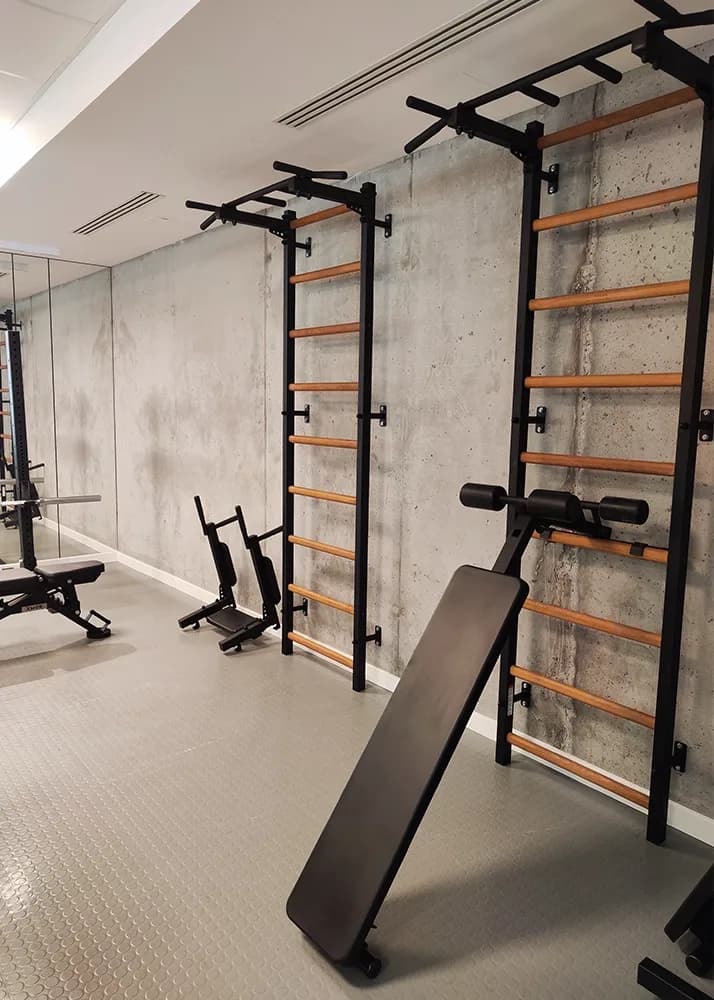
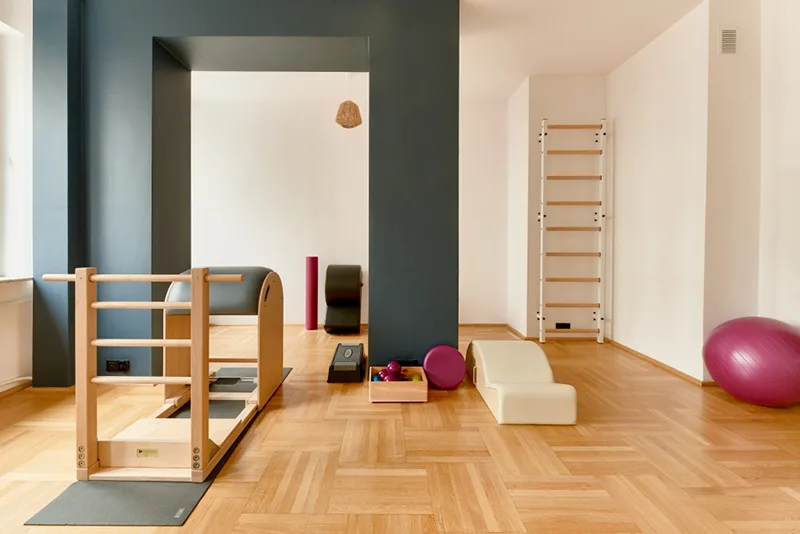
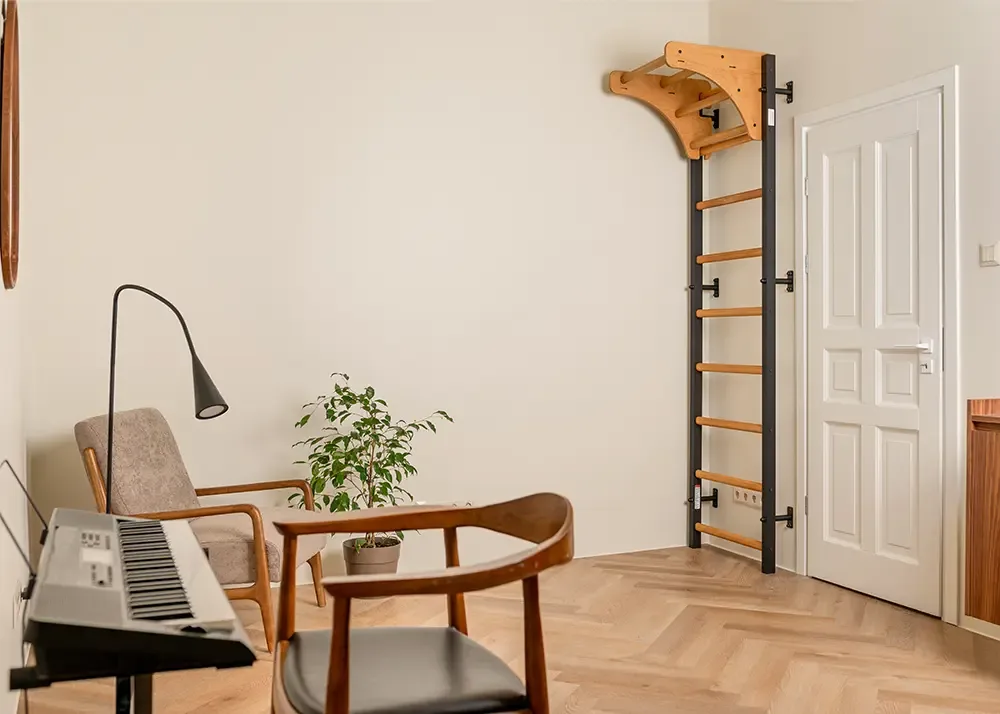
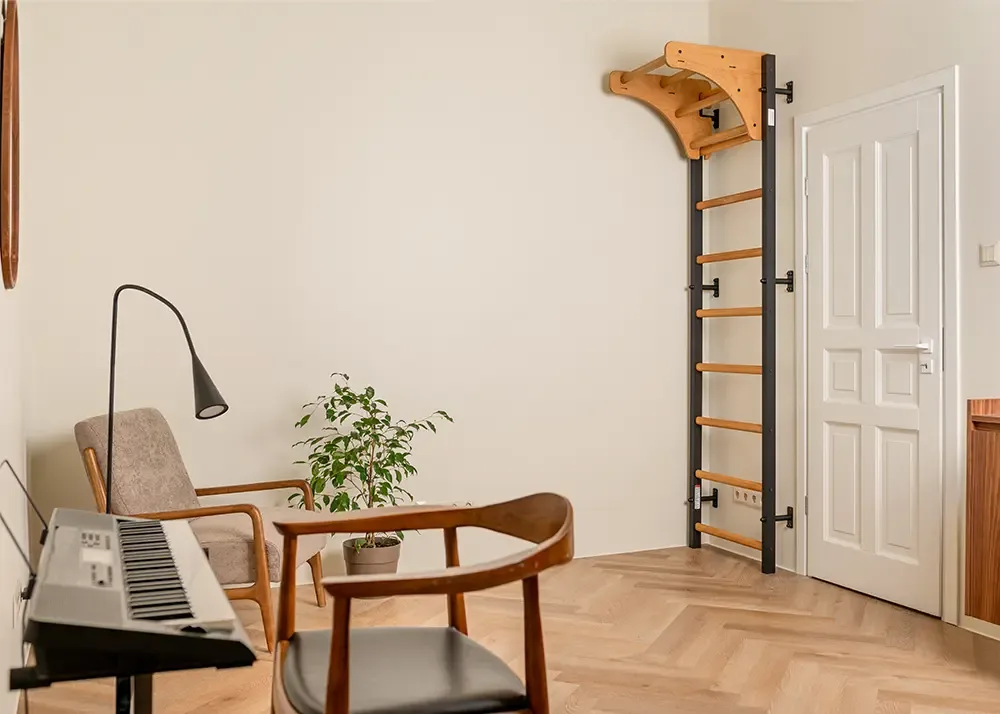
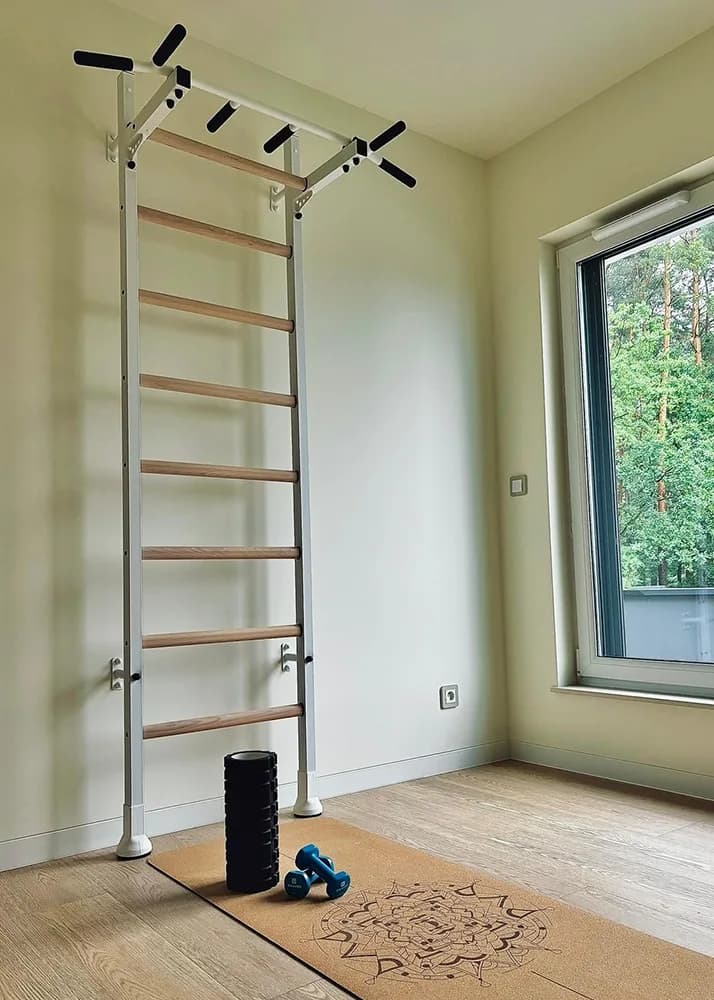
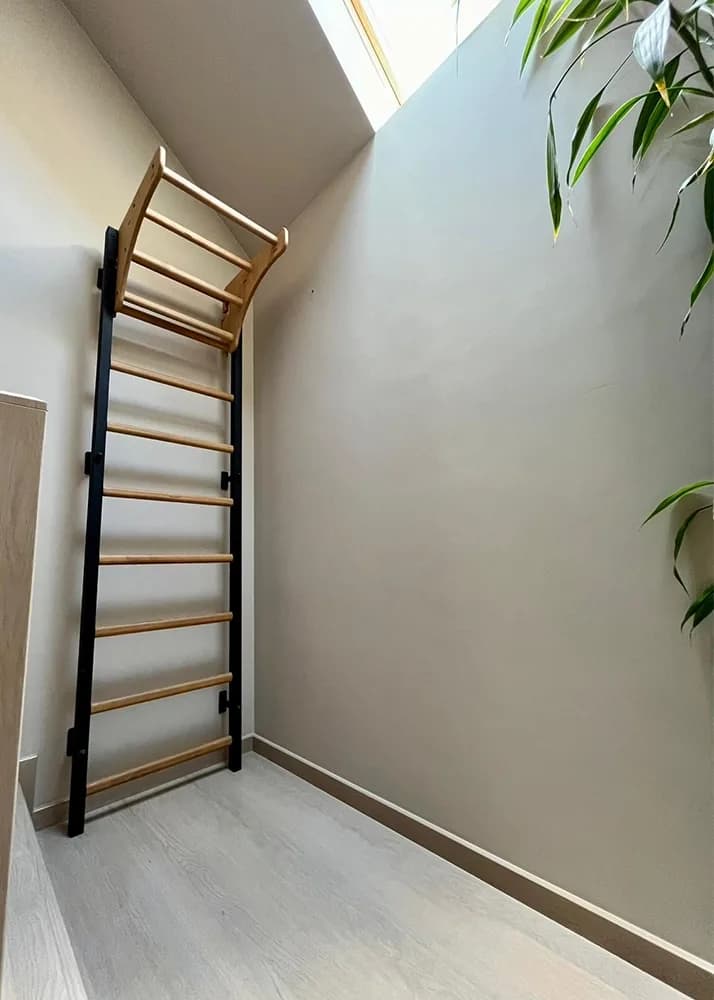
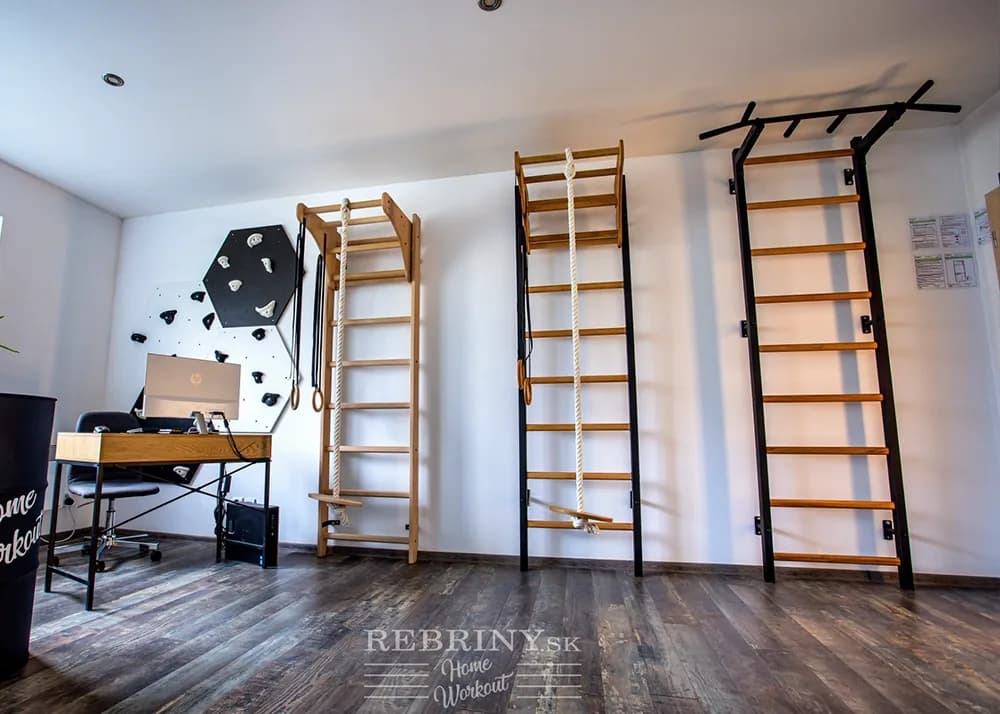
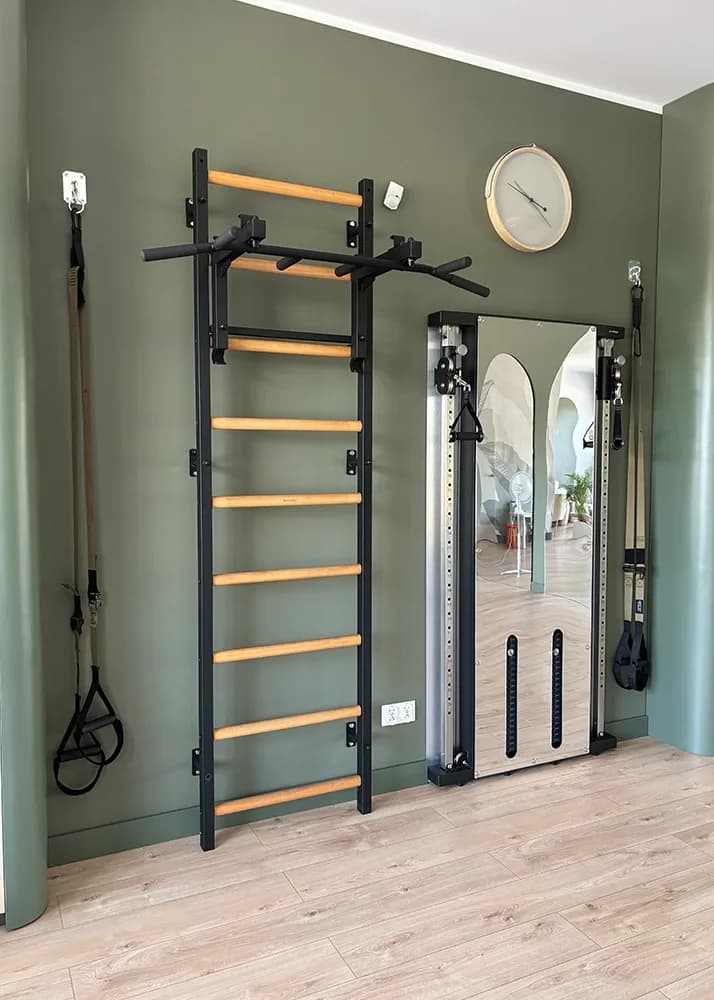
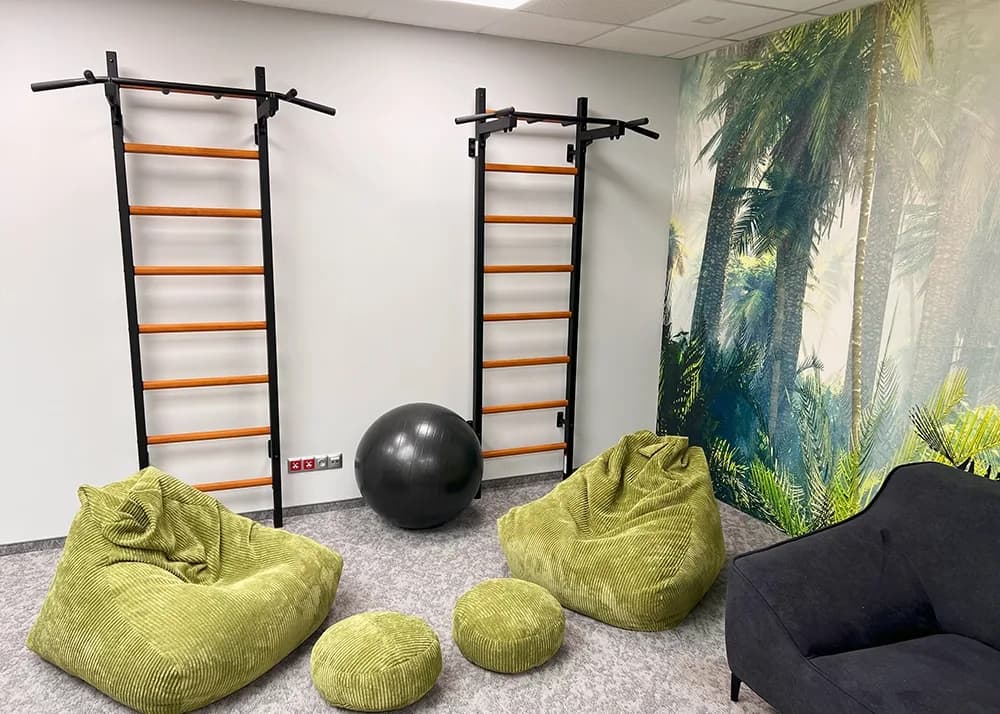
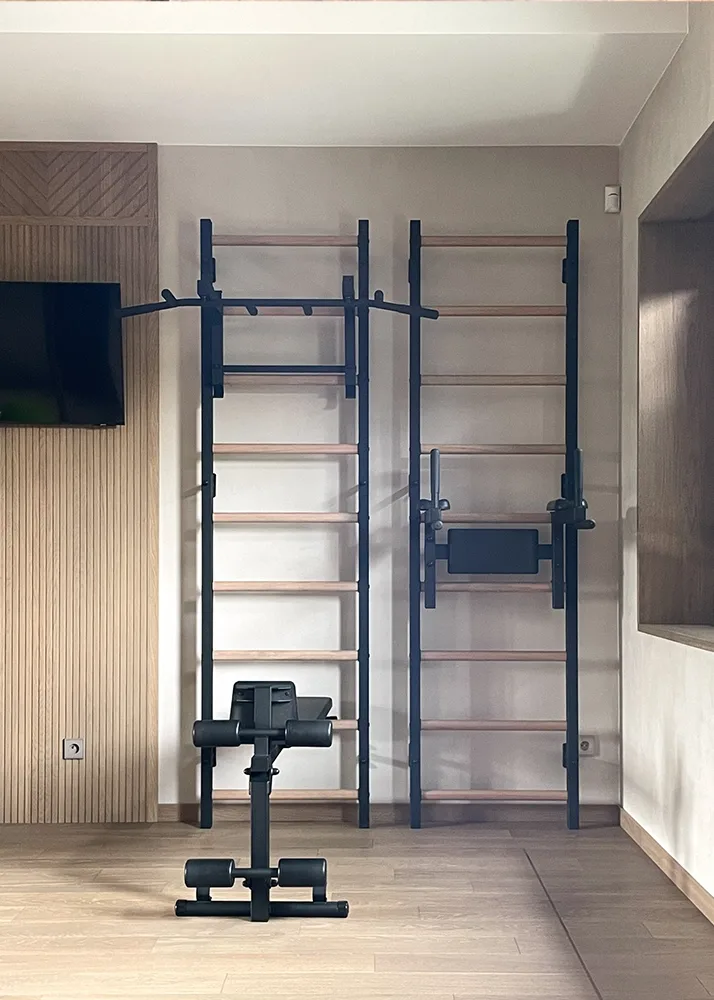
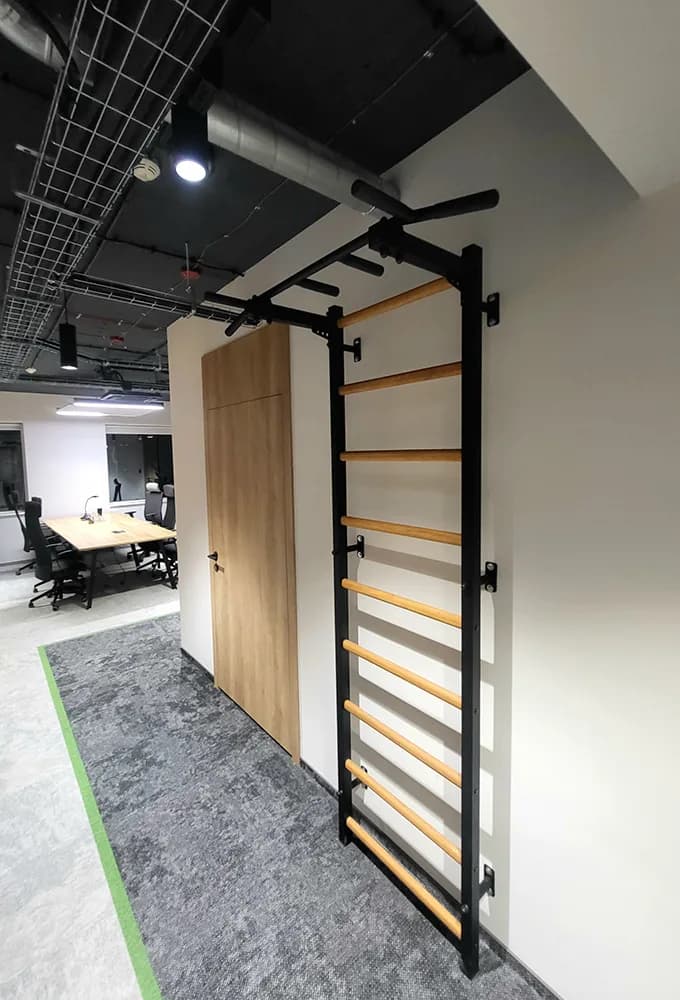
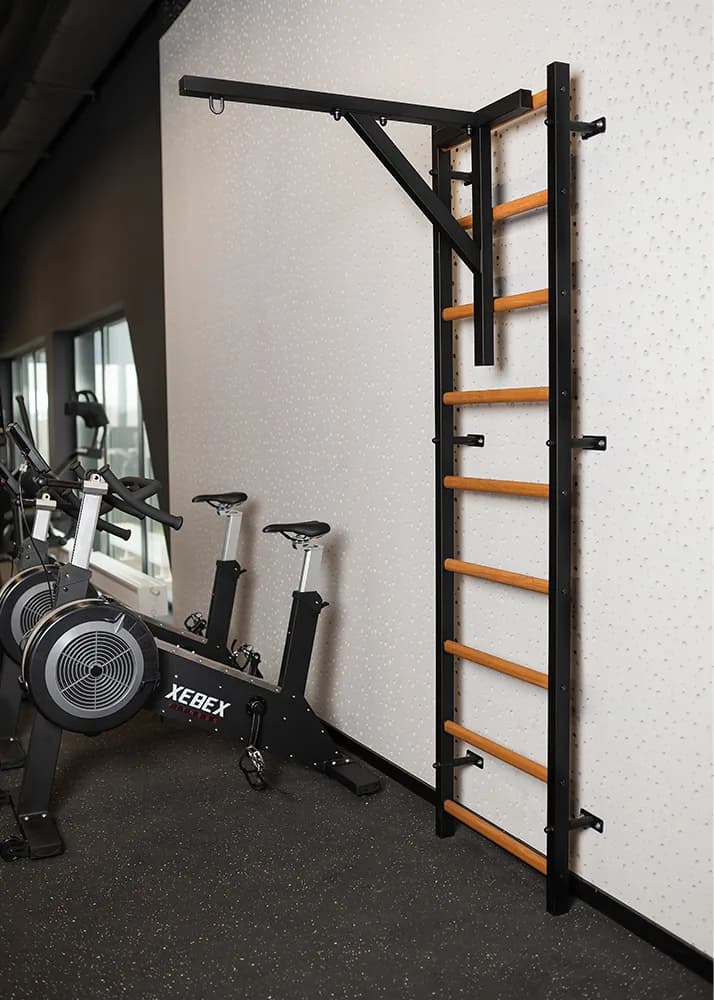
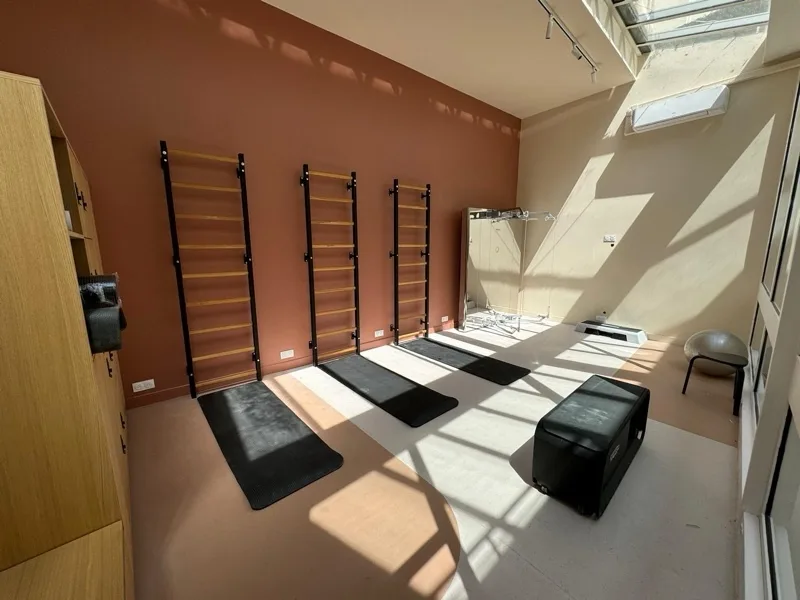
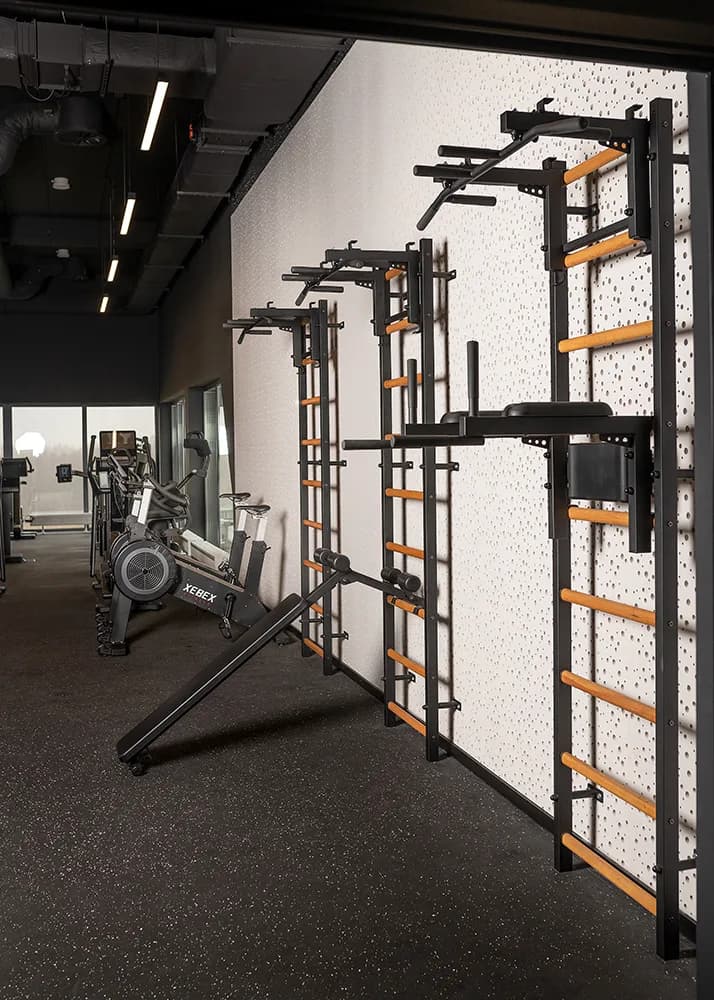
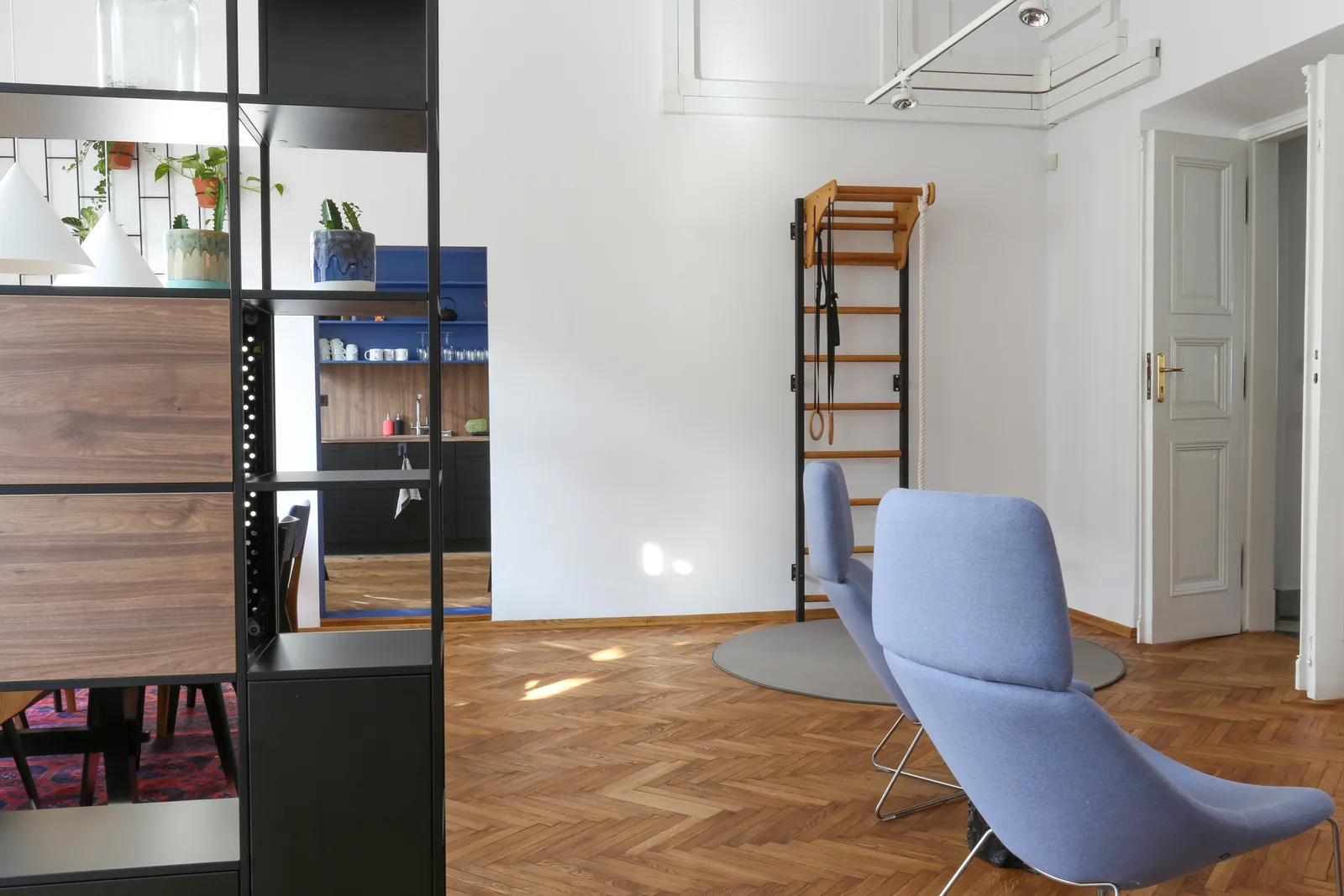
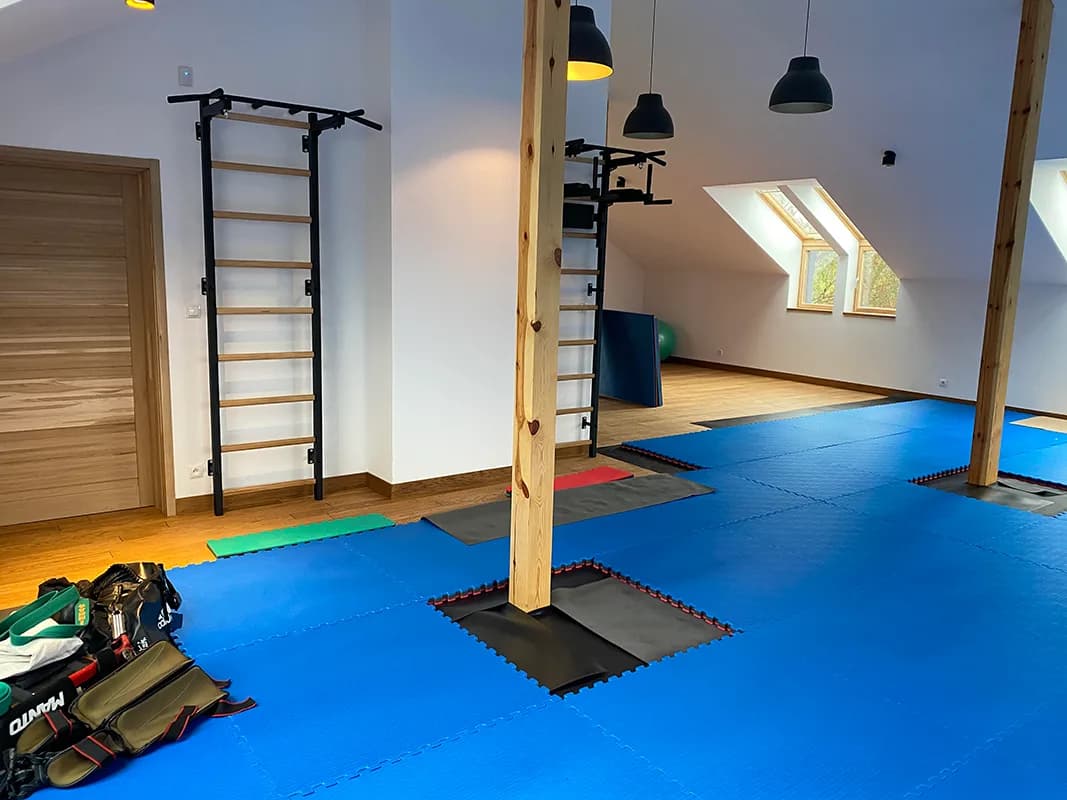
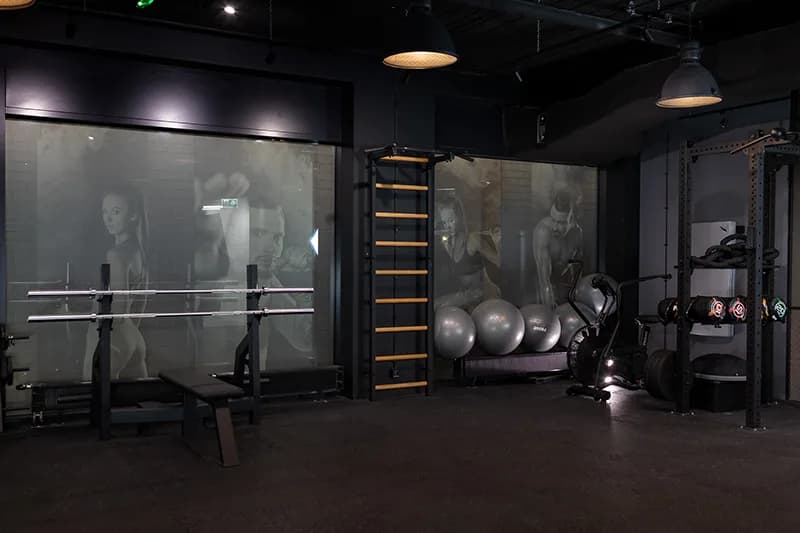
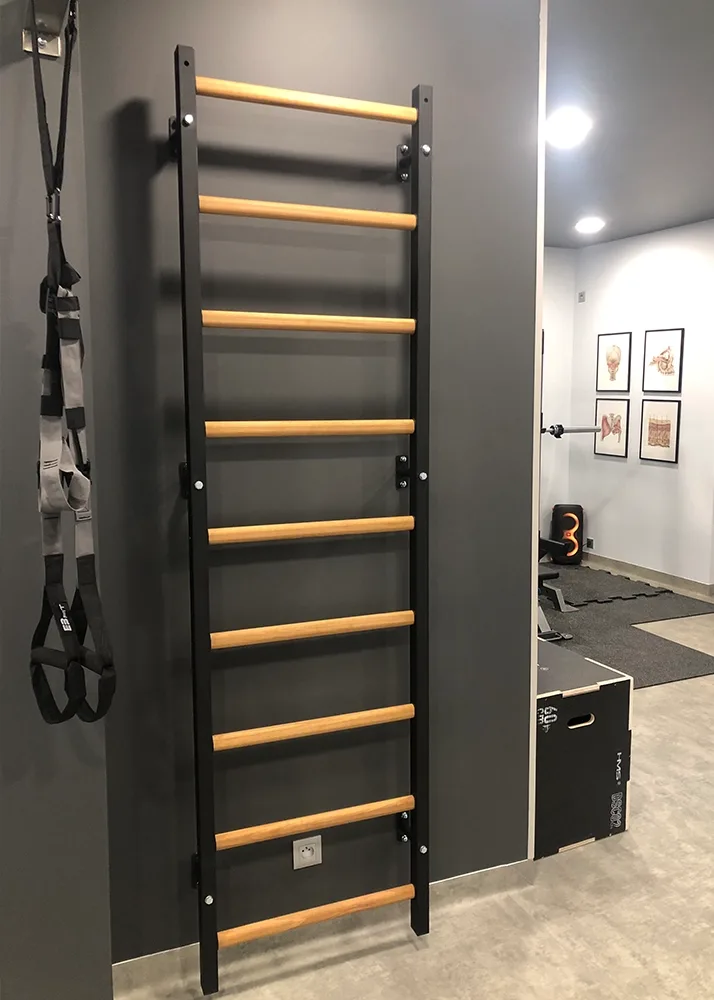
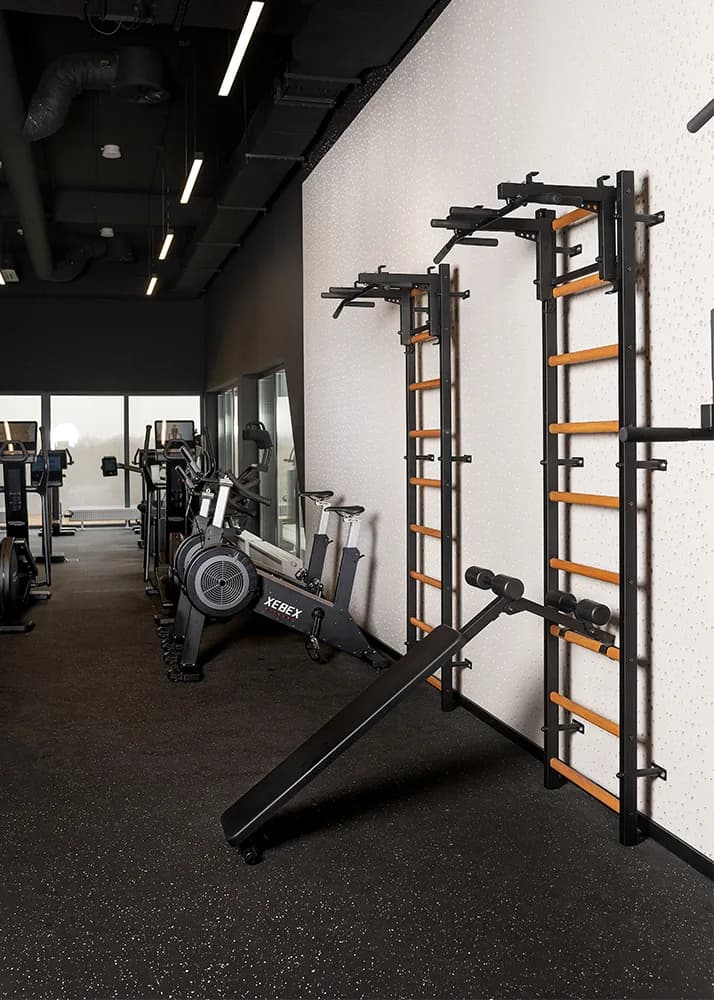
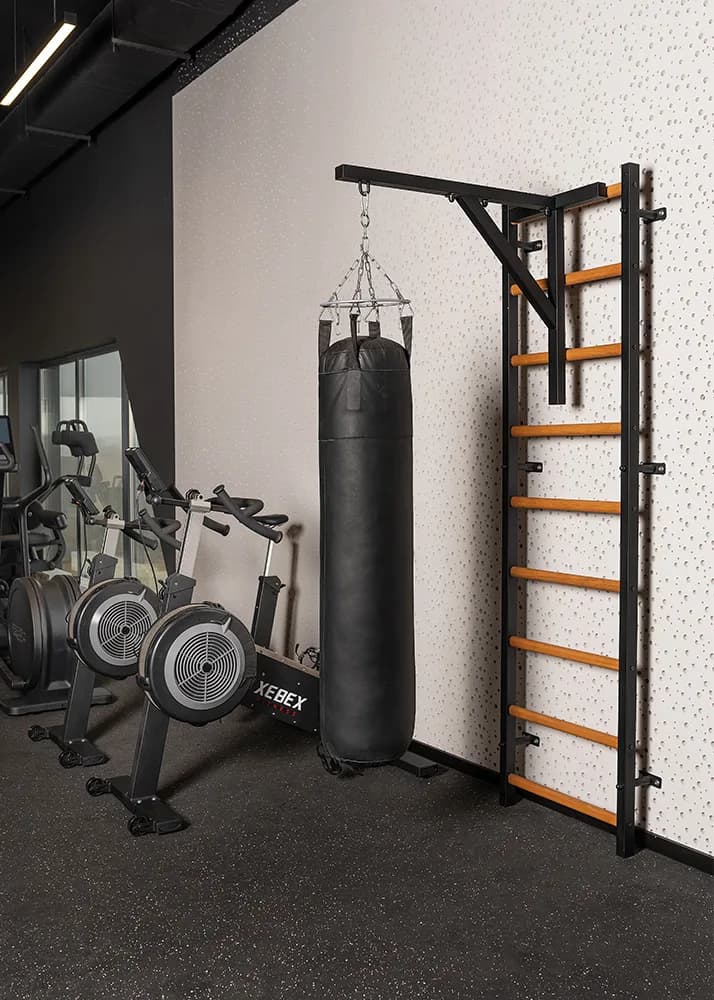
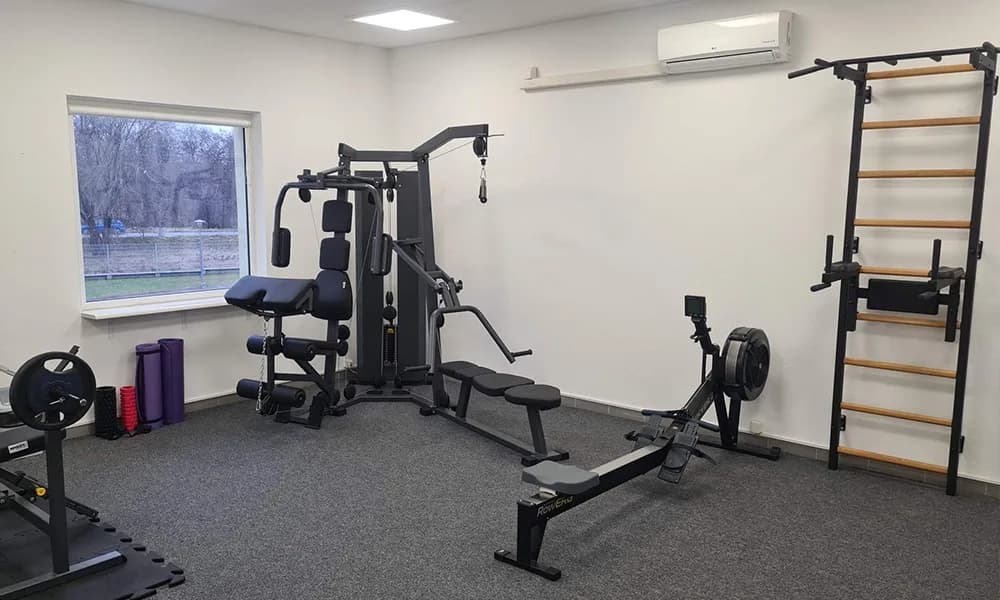
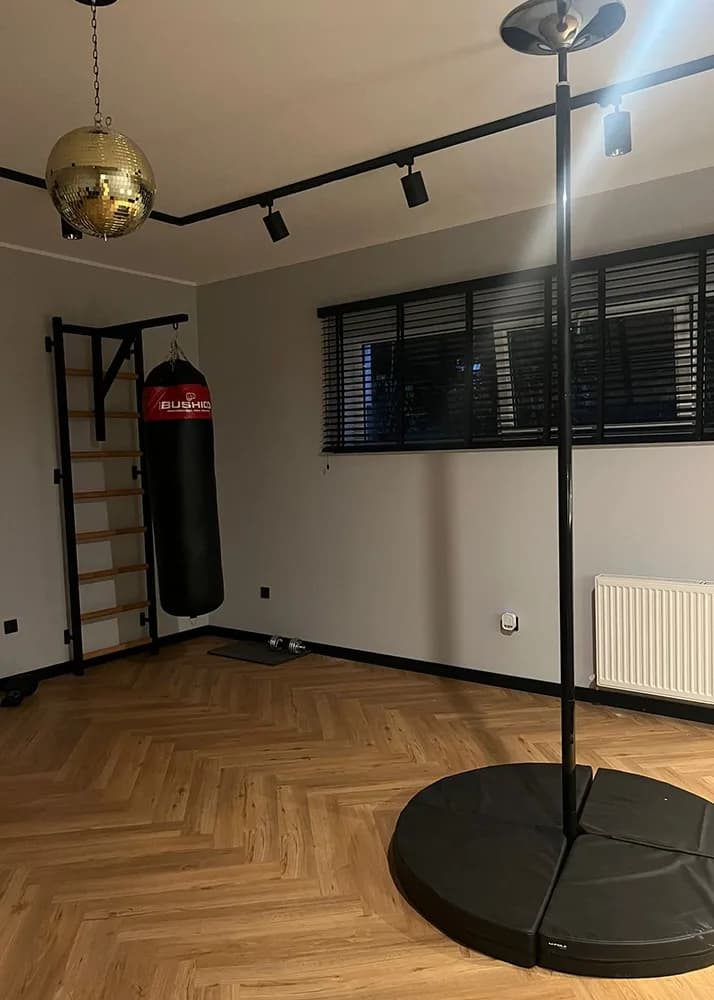
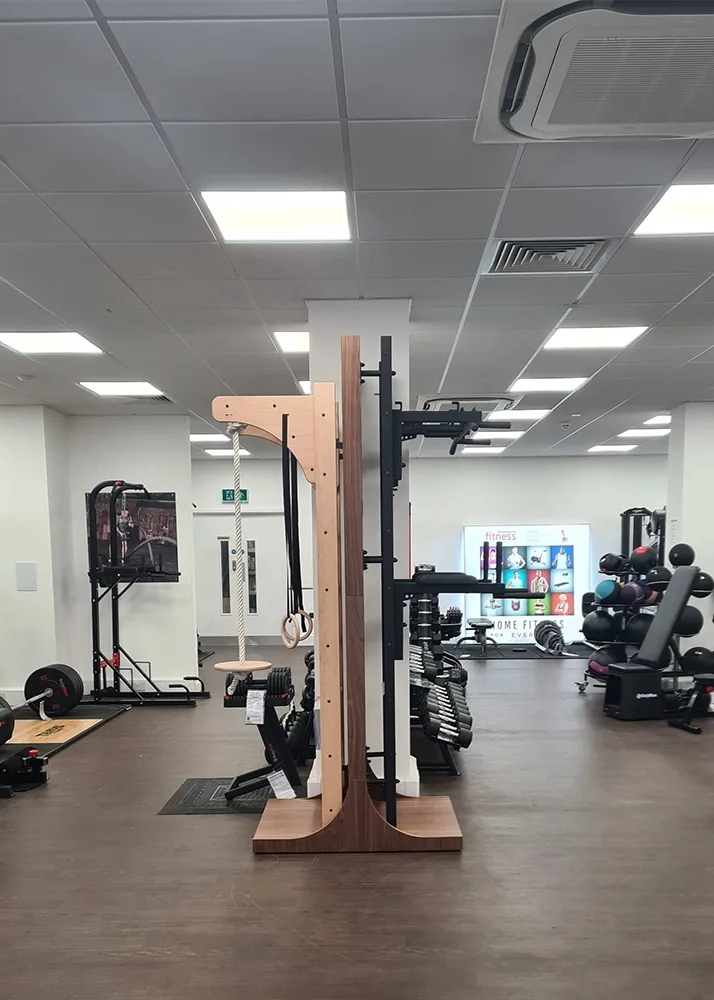
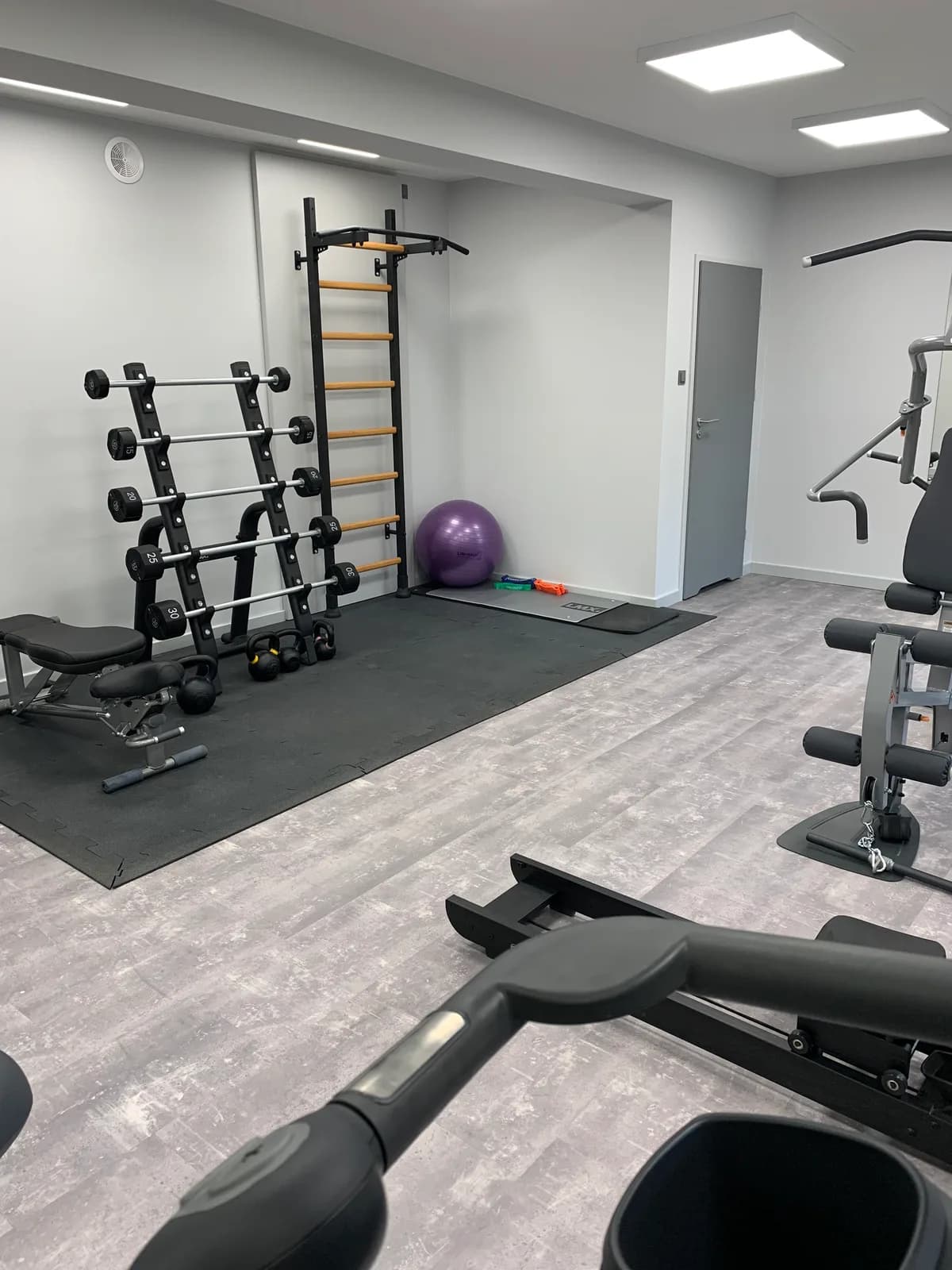
Stall bars are also sold as wall bars or a Swedish ladder: a wall-mounted frame of beech rungs to hang from and stretch against. BenchK builds them as commercial equipment, certified to EN 12346 and EN 913, that you can also install at home.
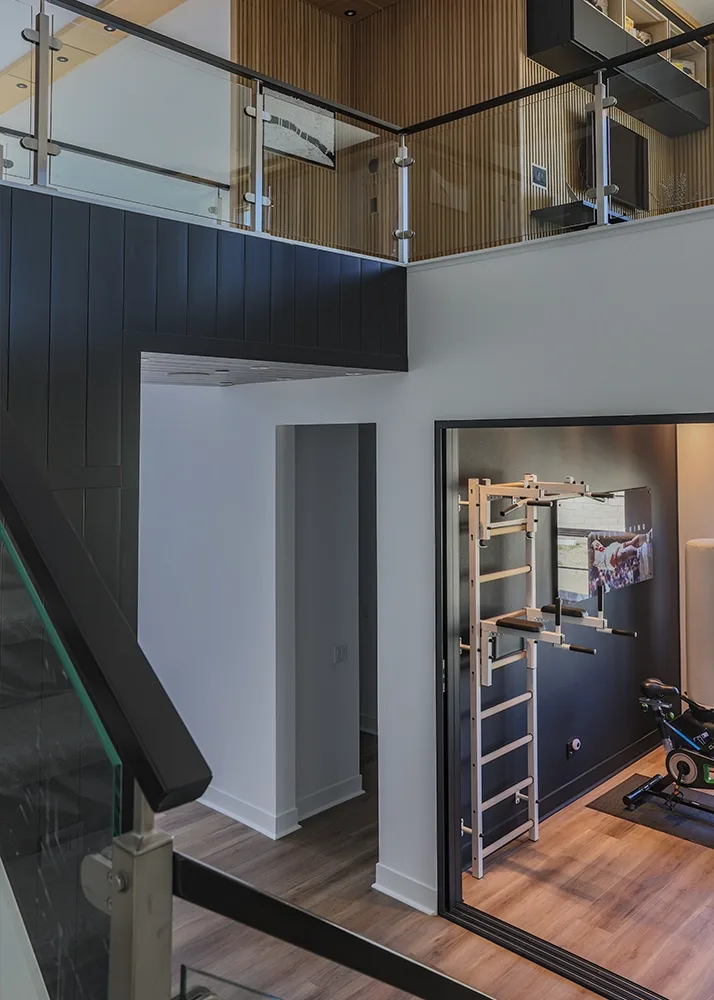
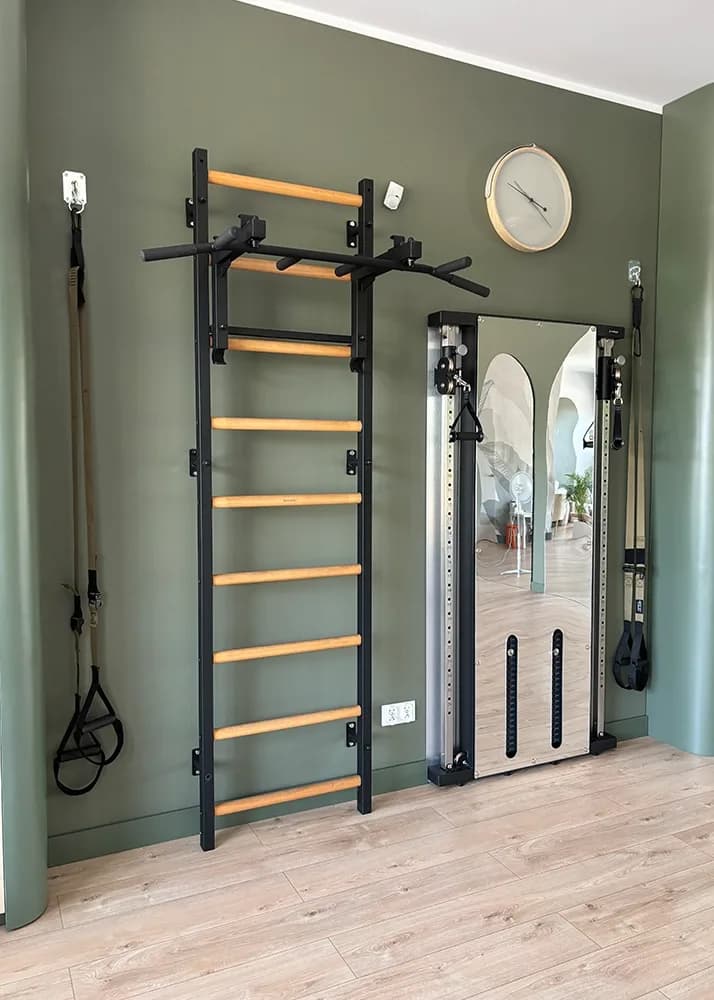
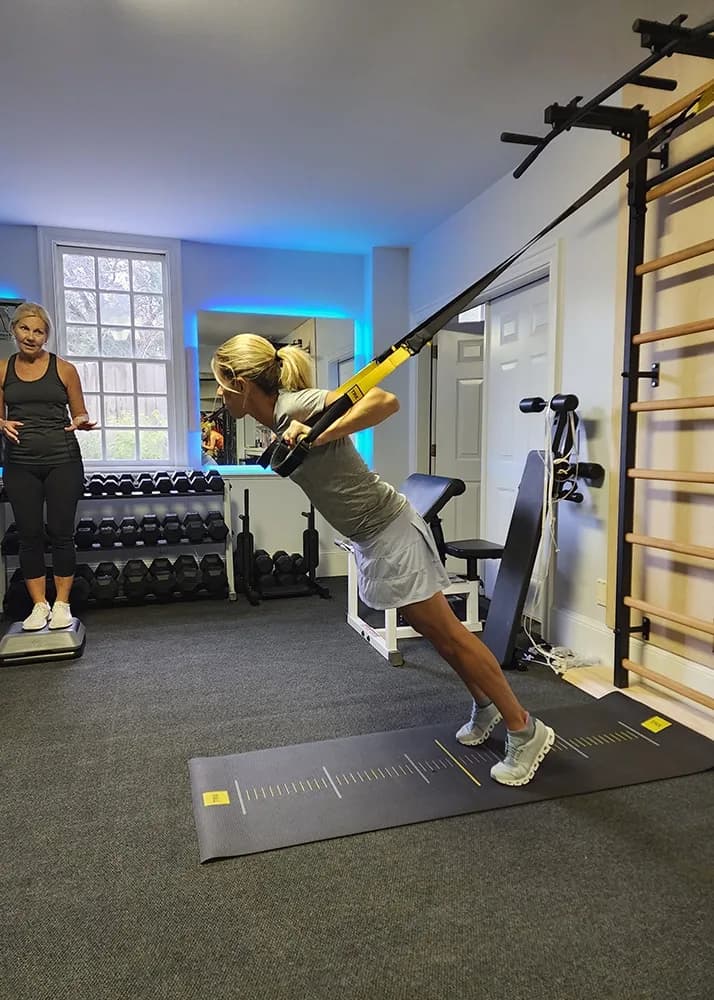
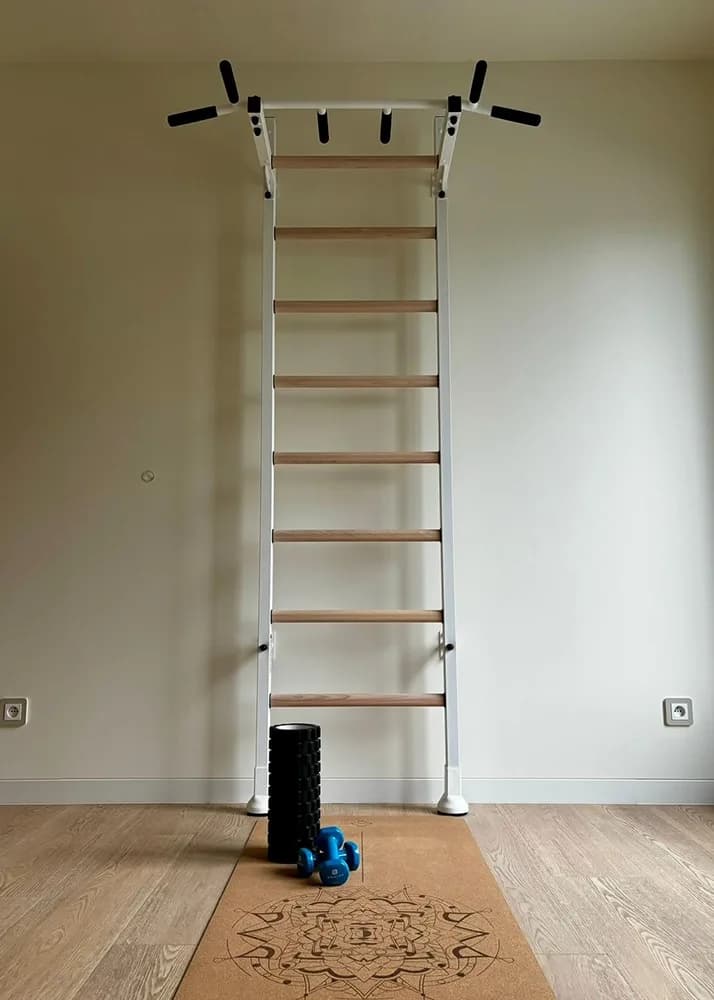
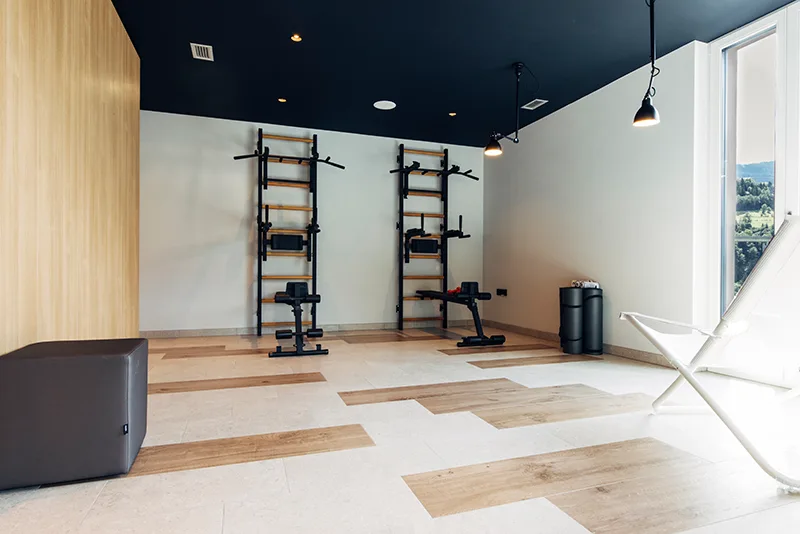
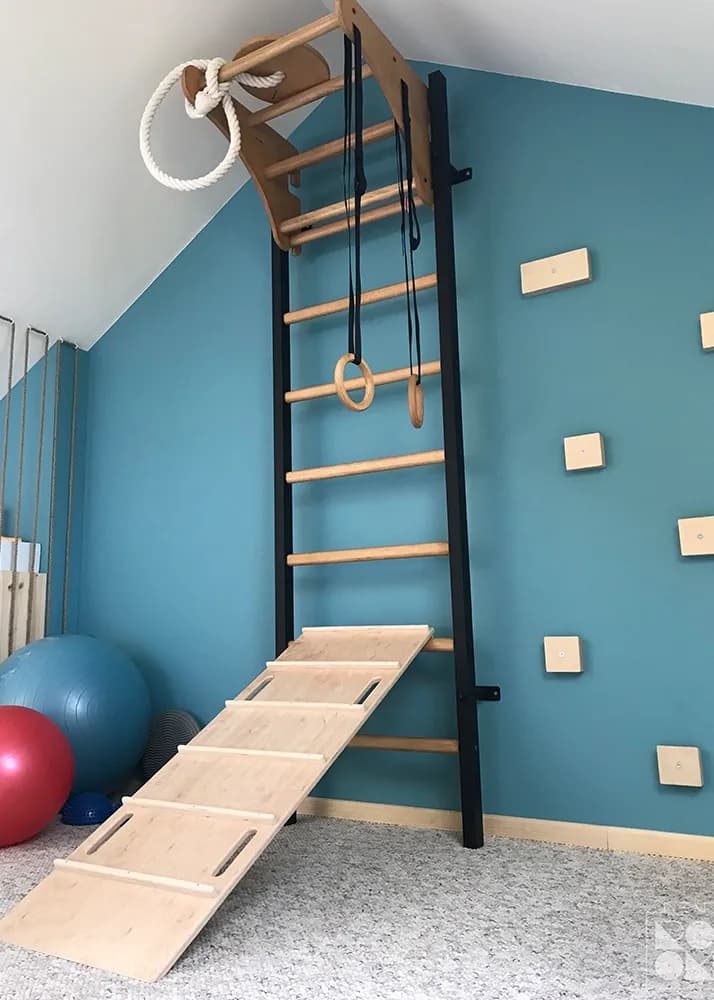
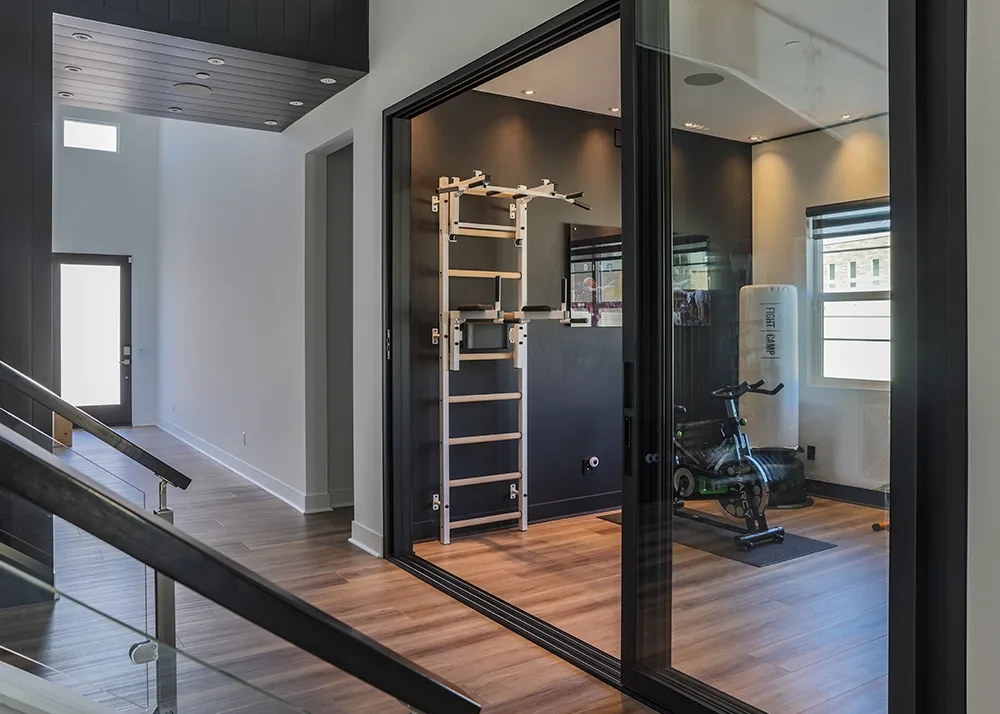
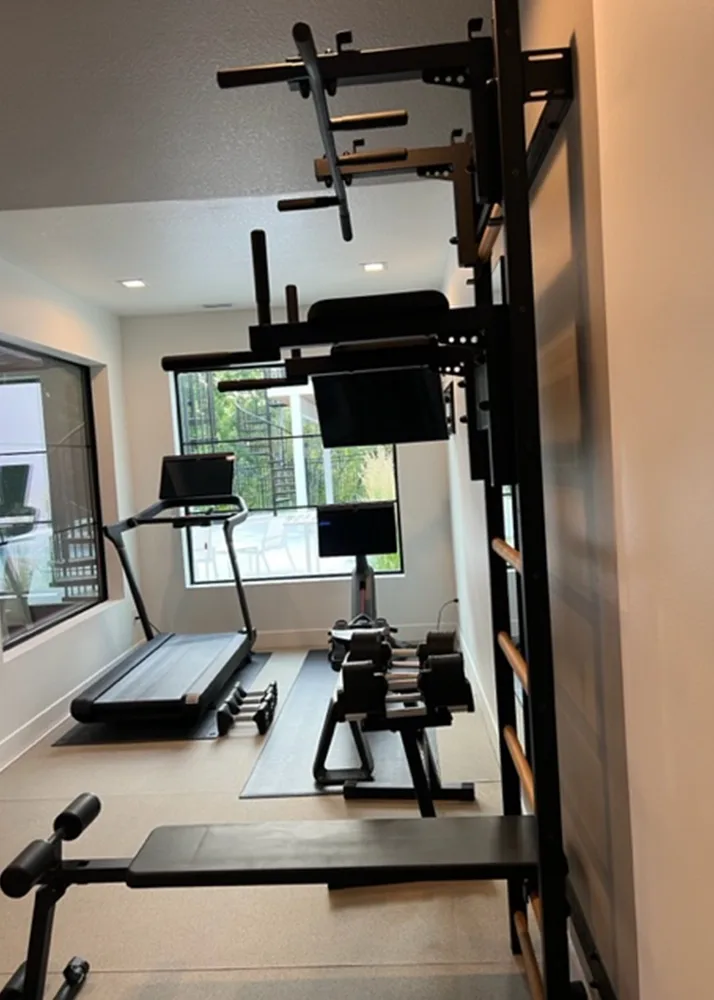
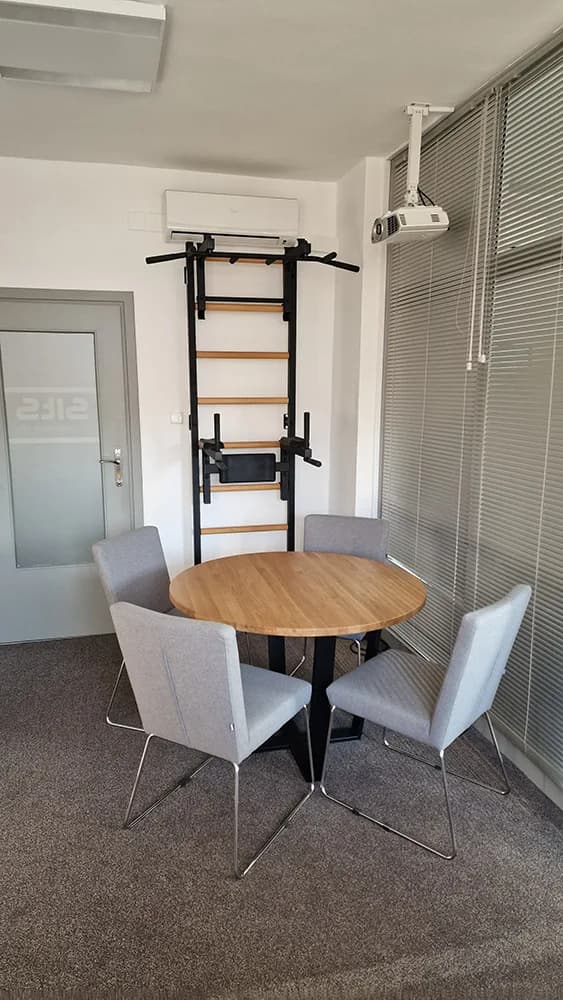
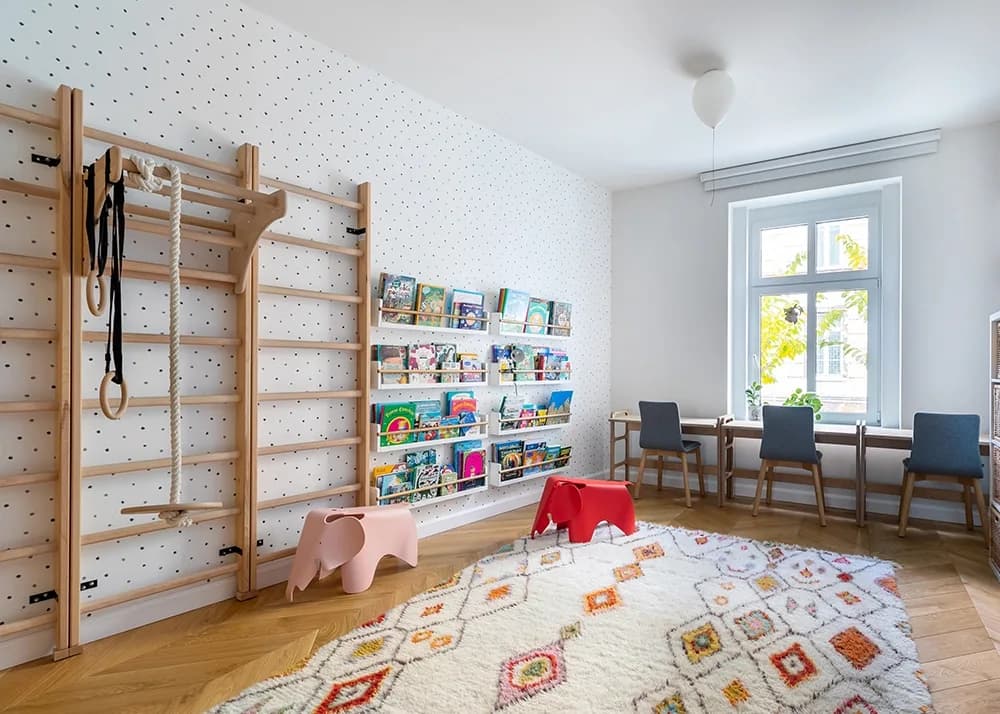
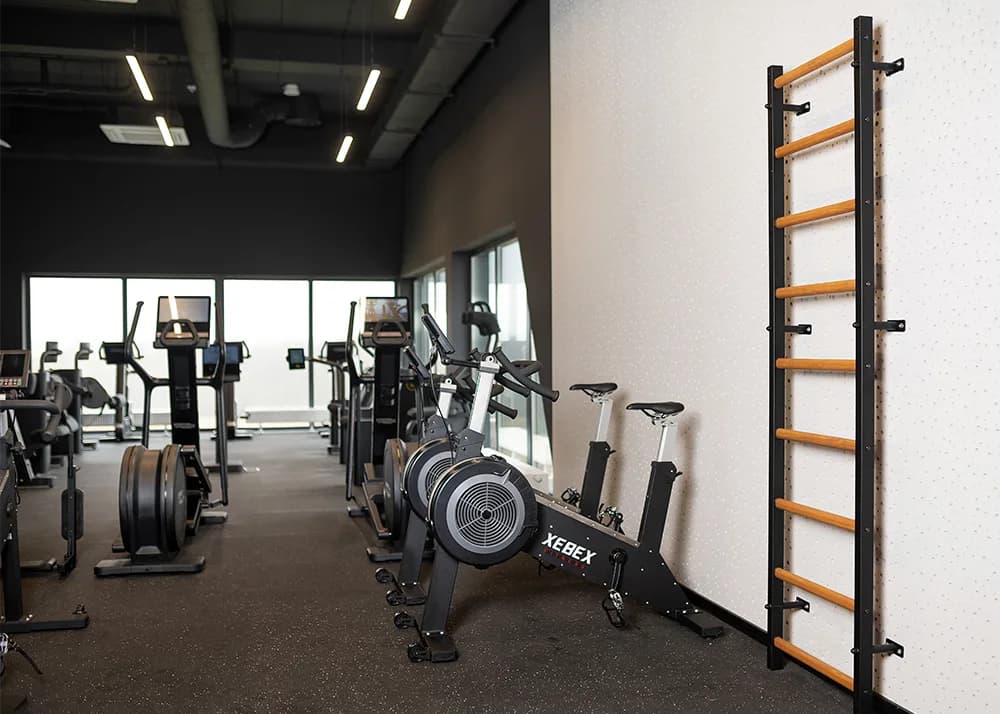
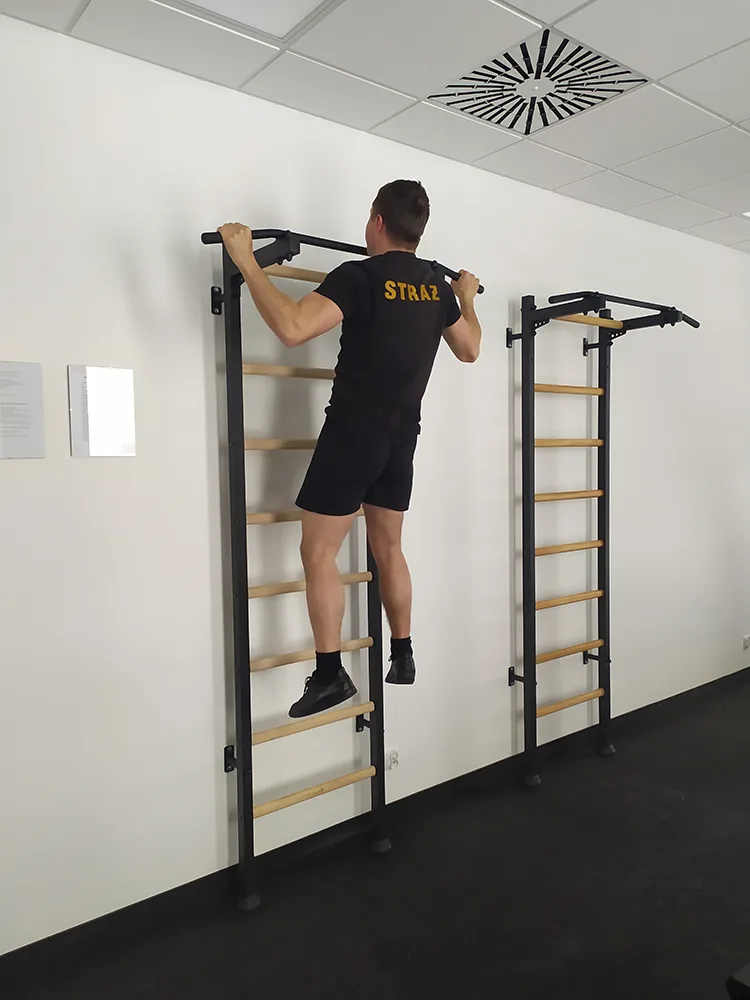
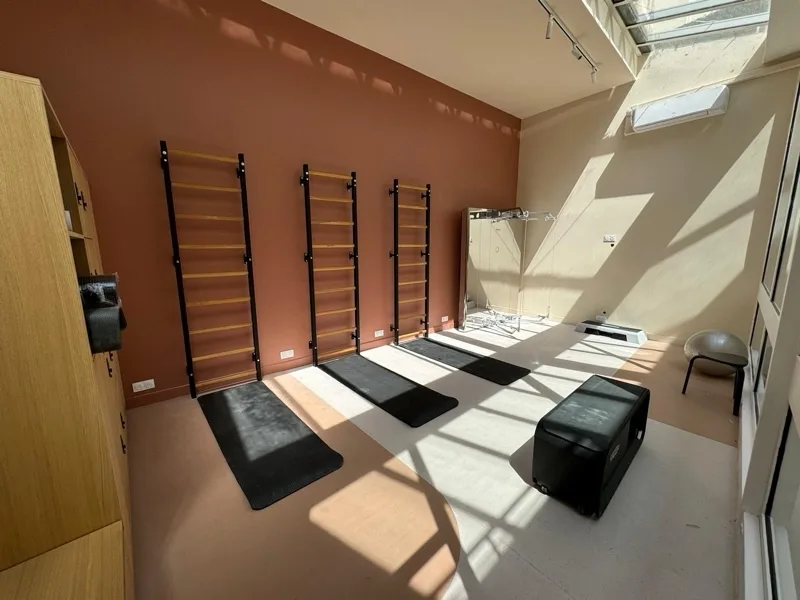
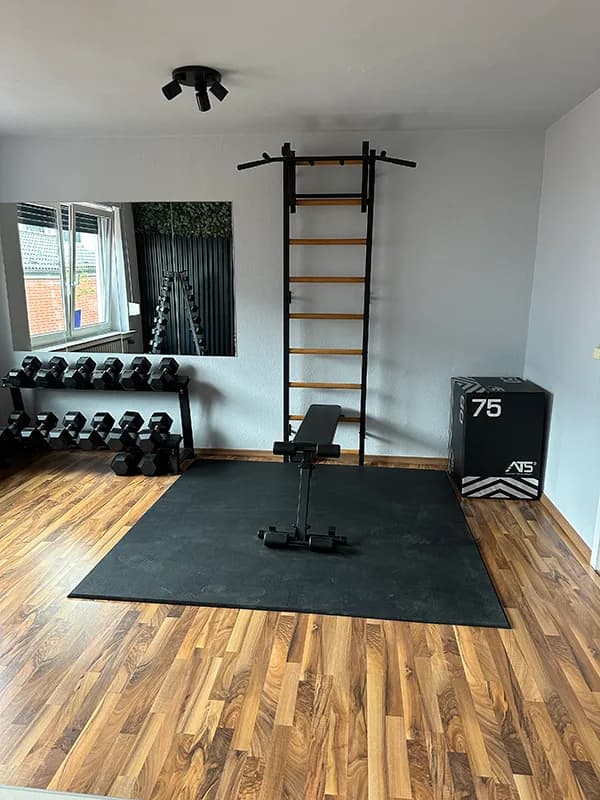
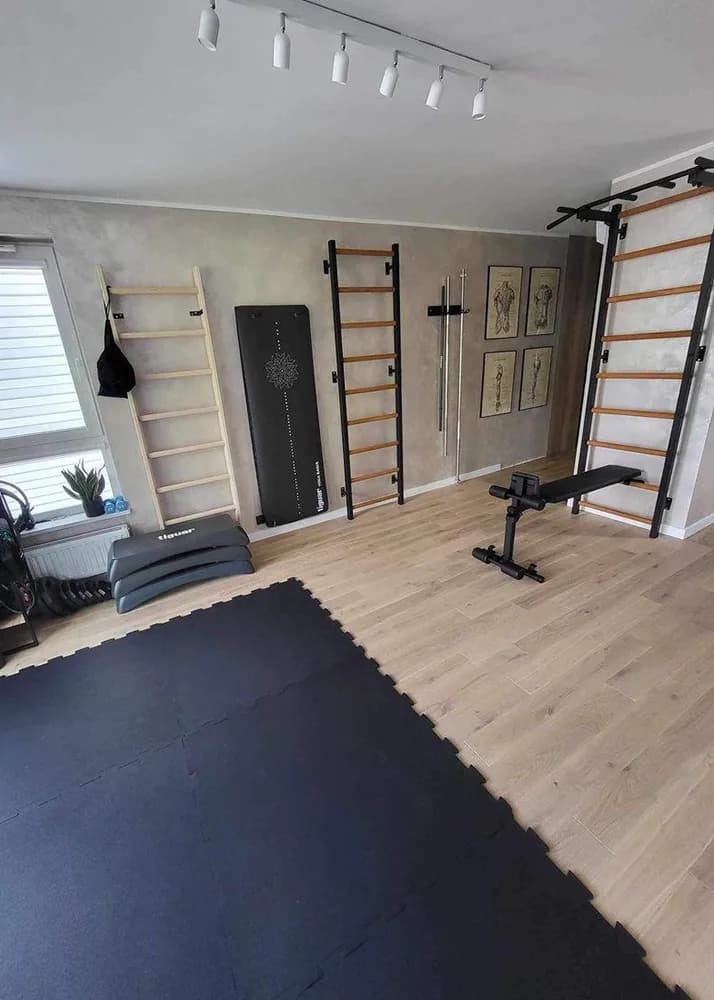
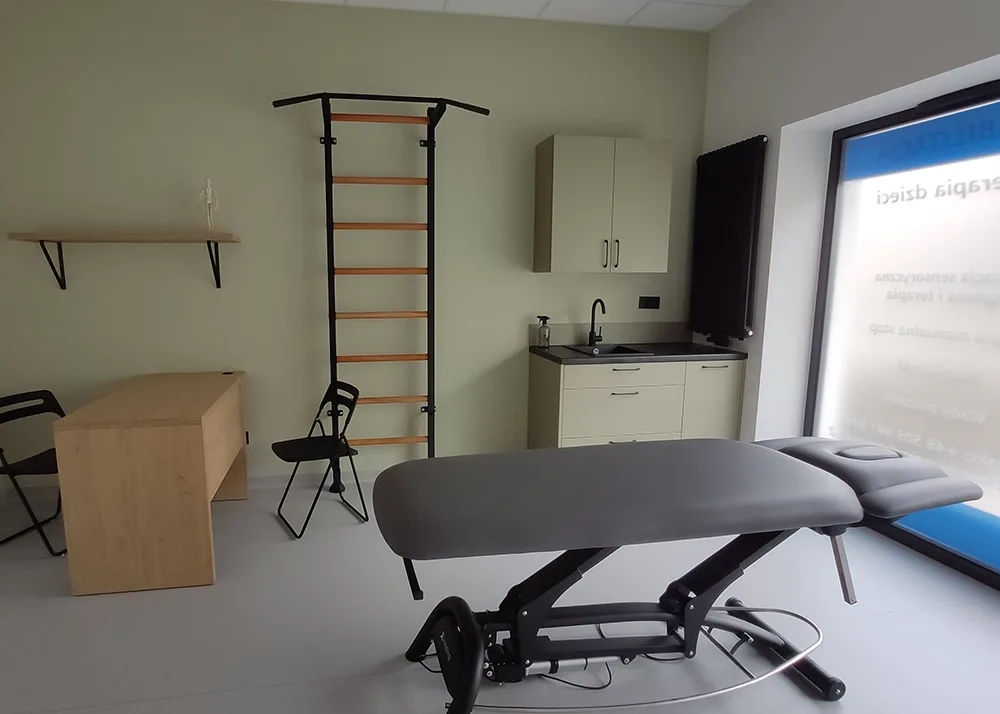
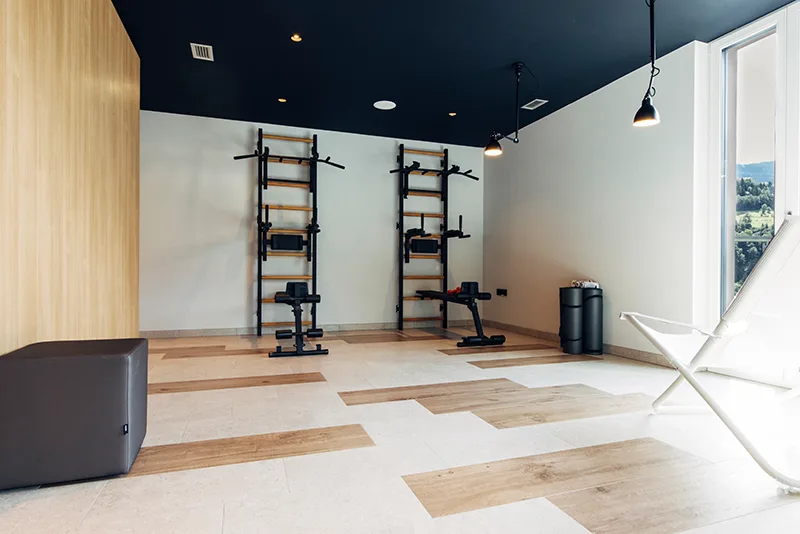
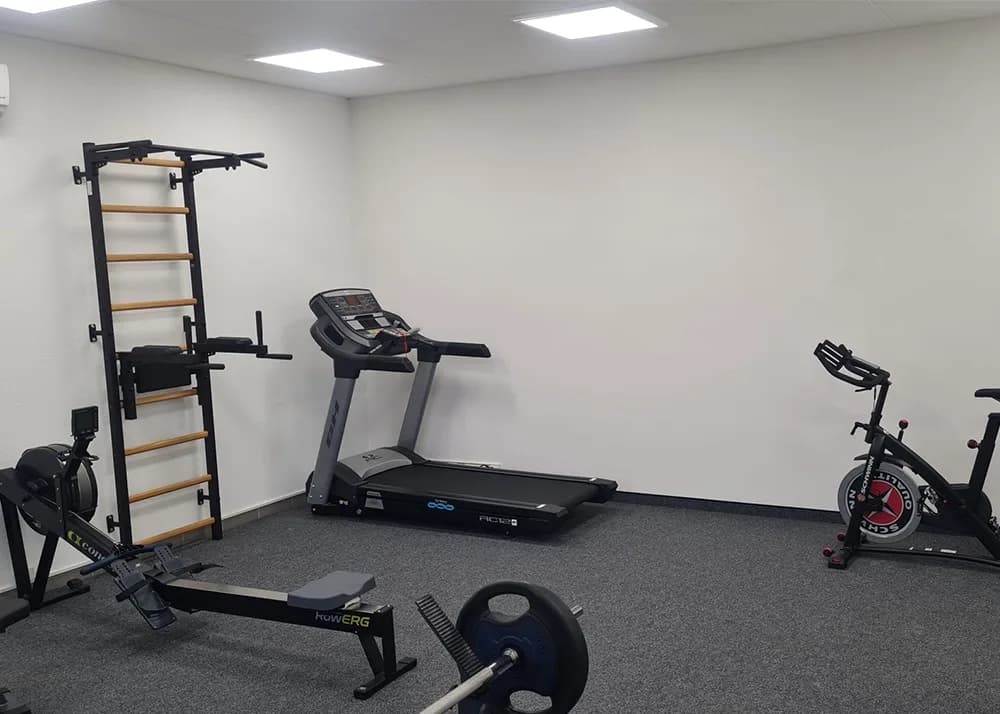
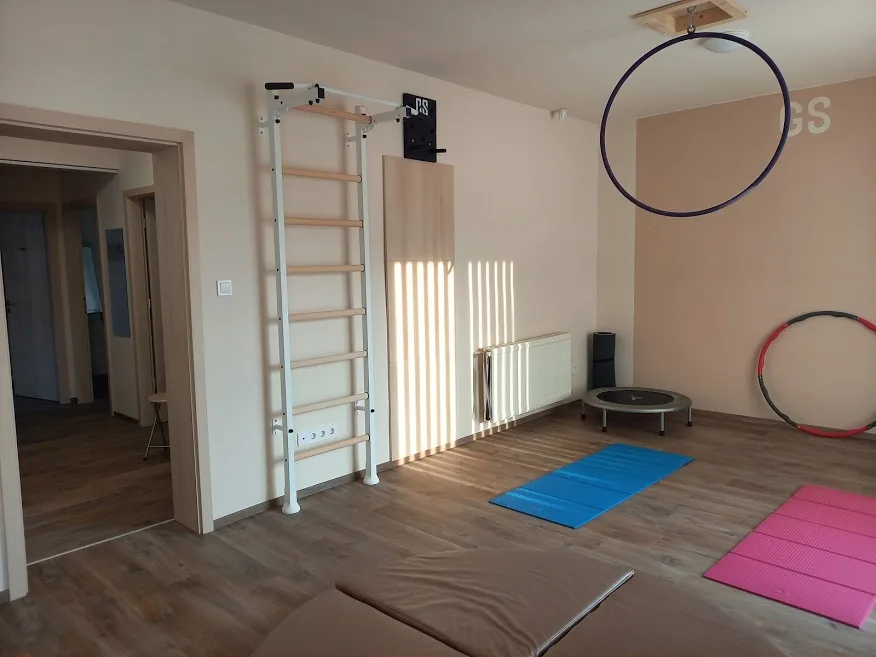
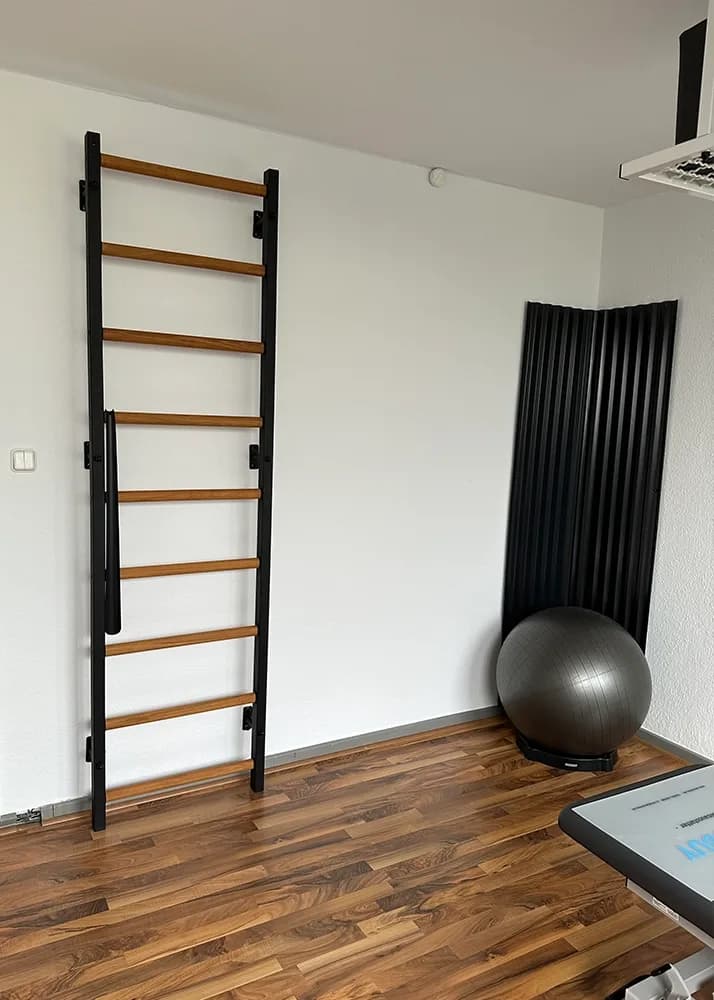
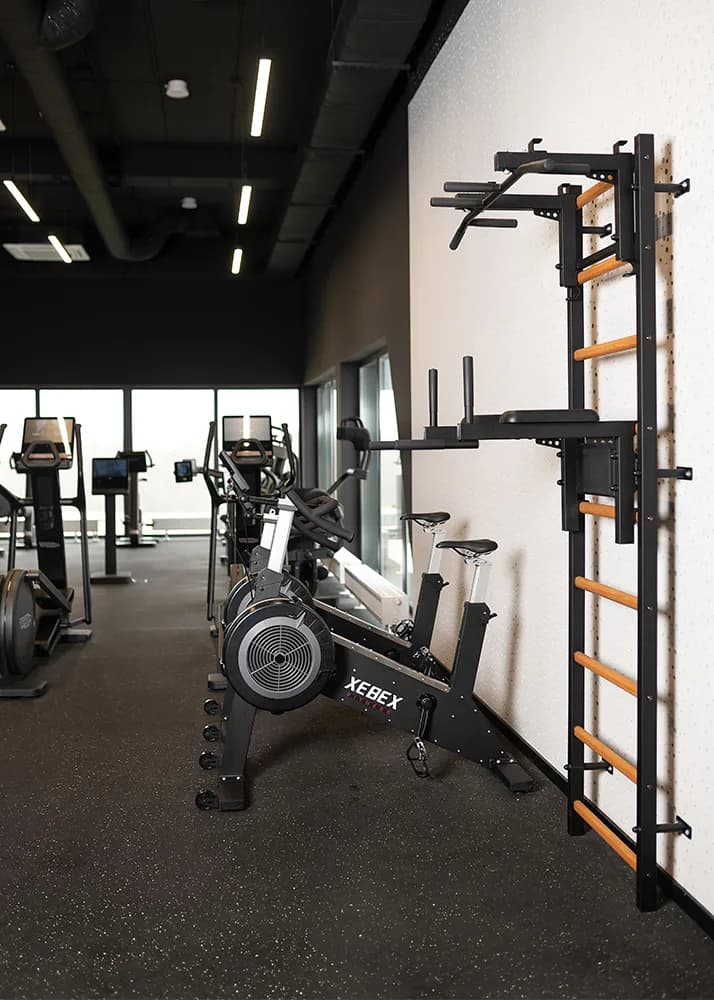
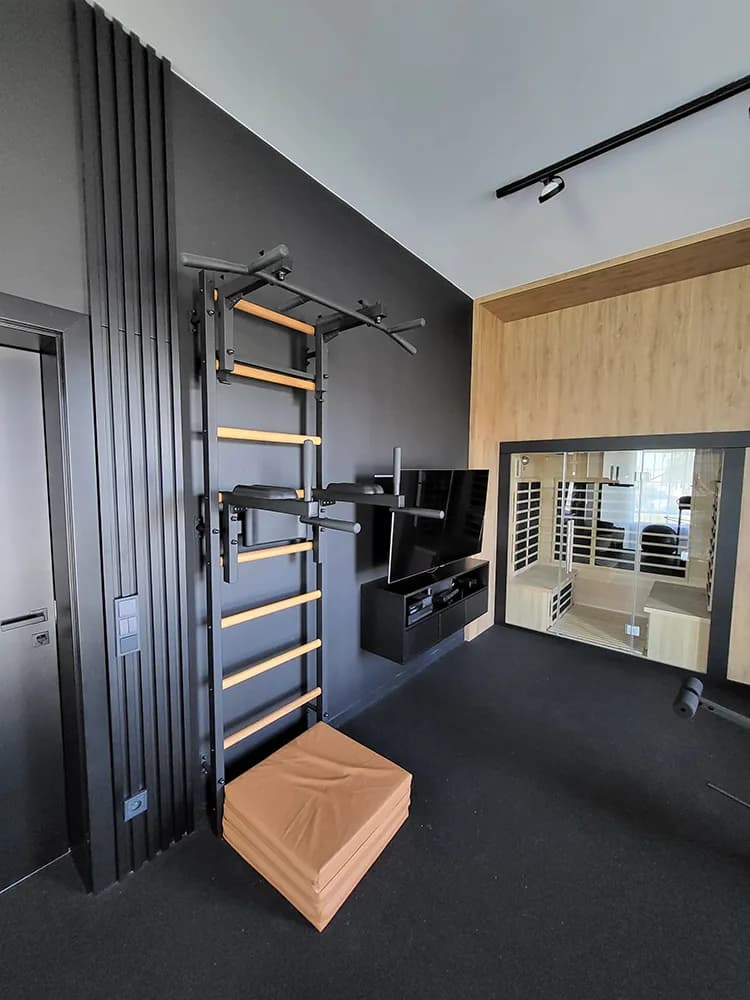
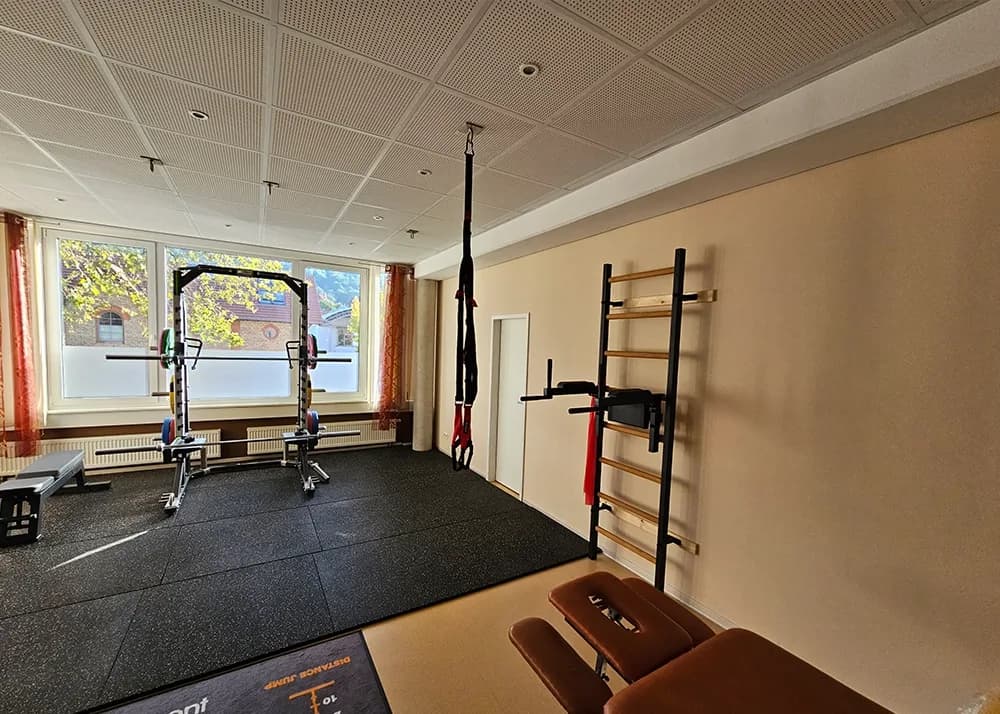
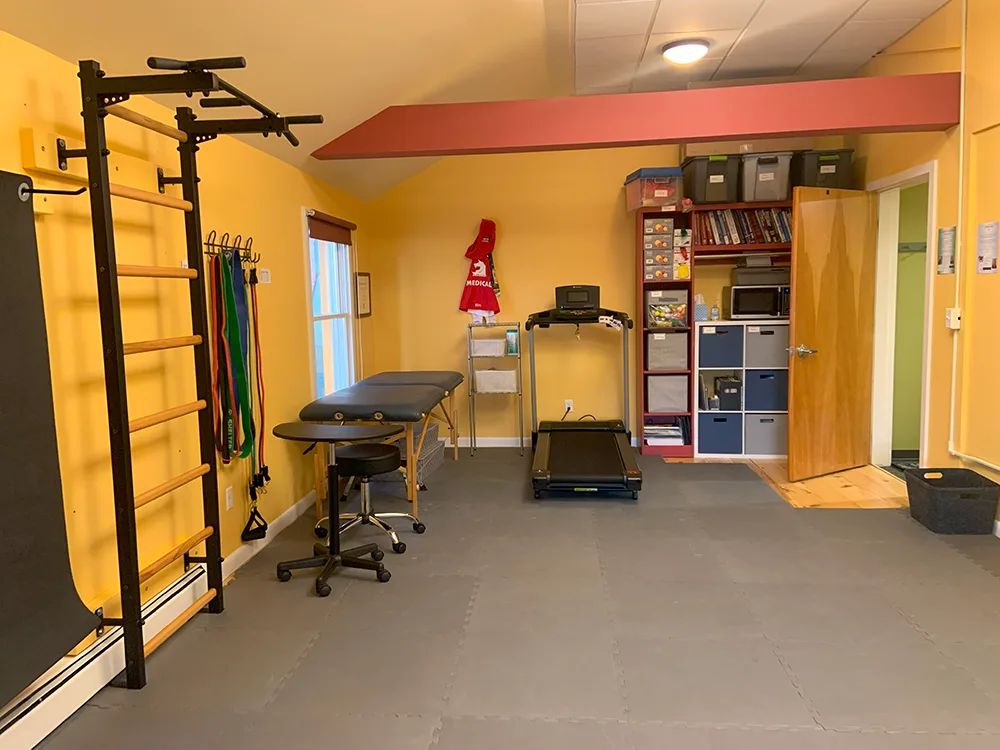
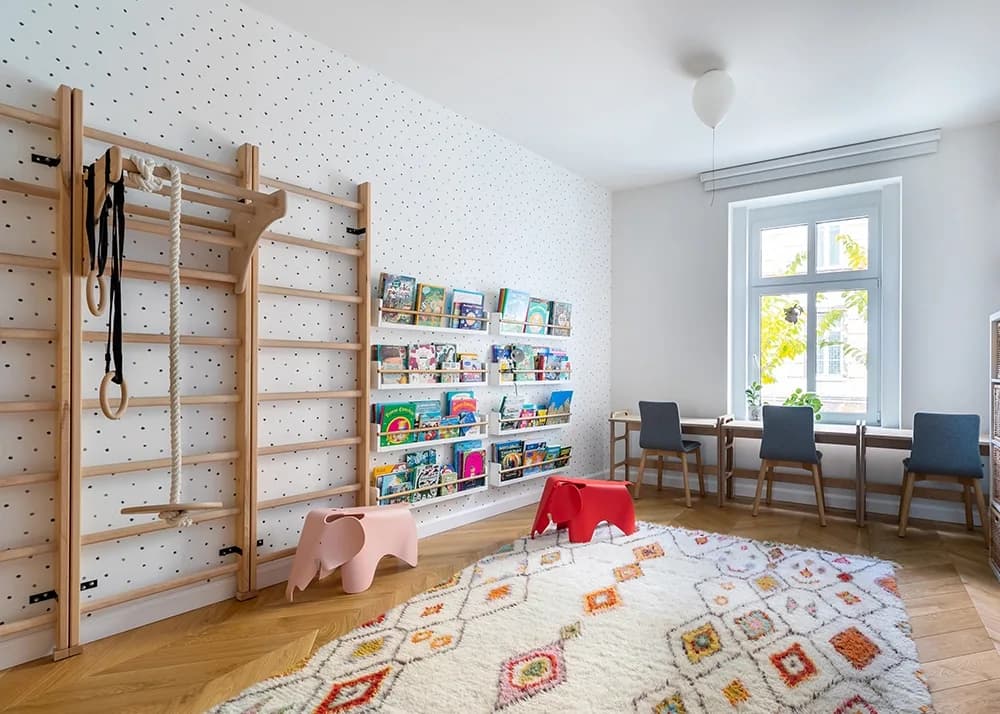
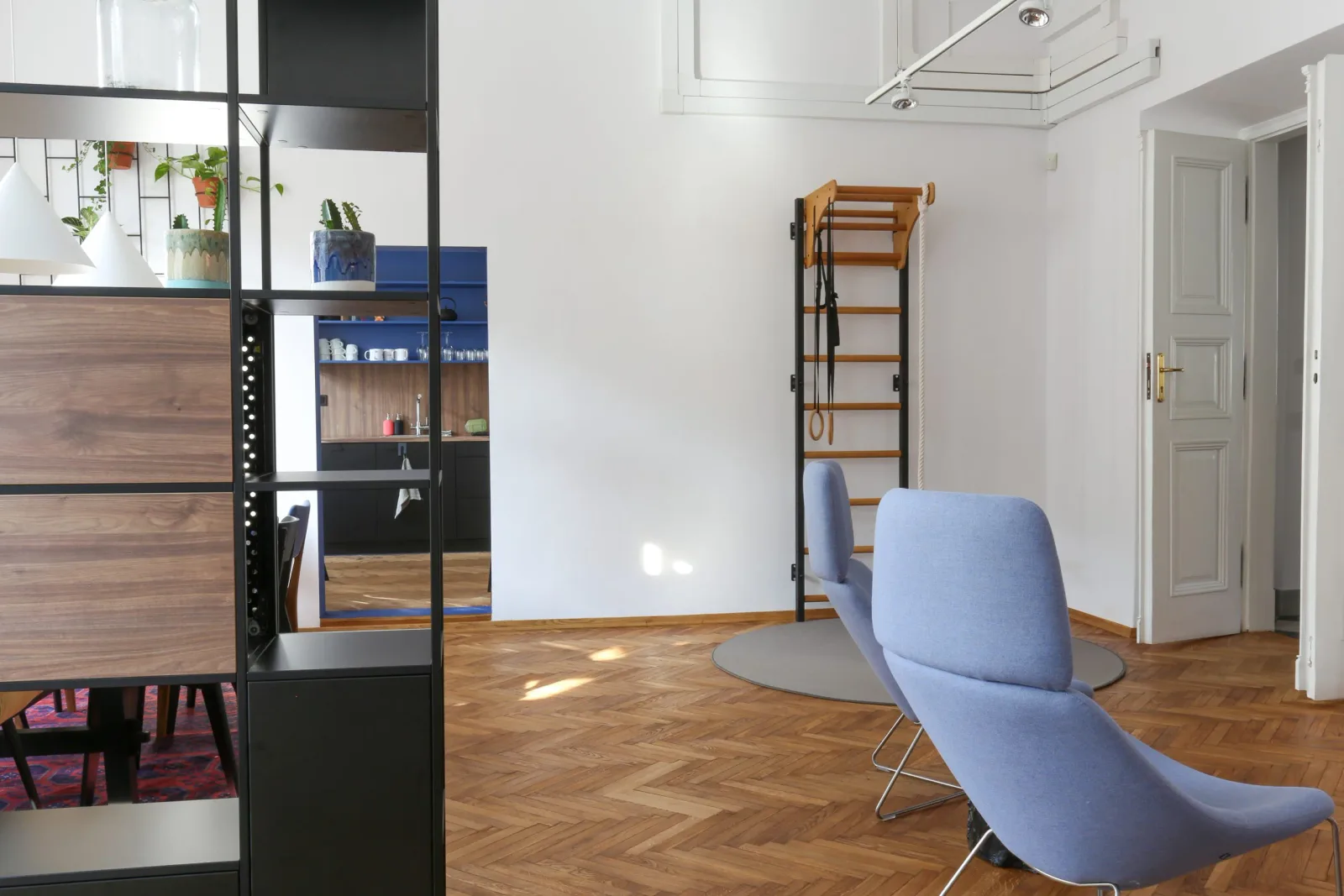
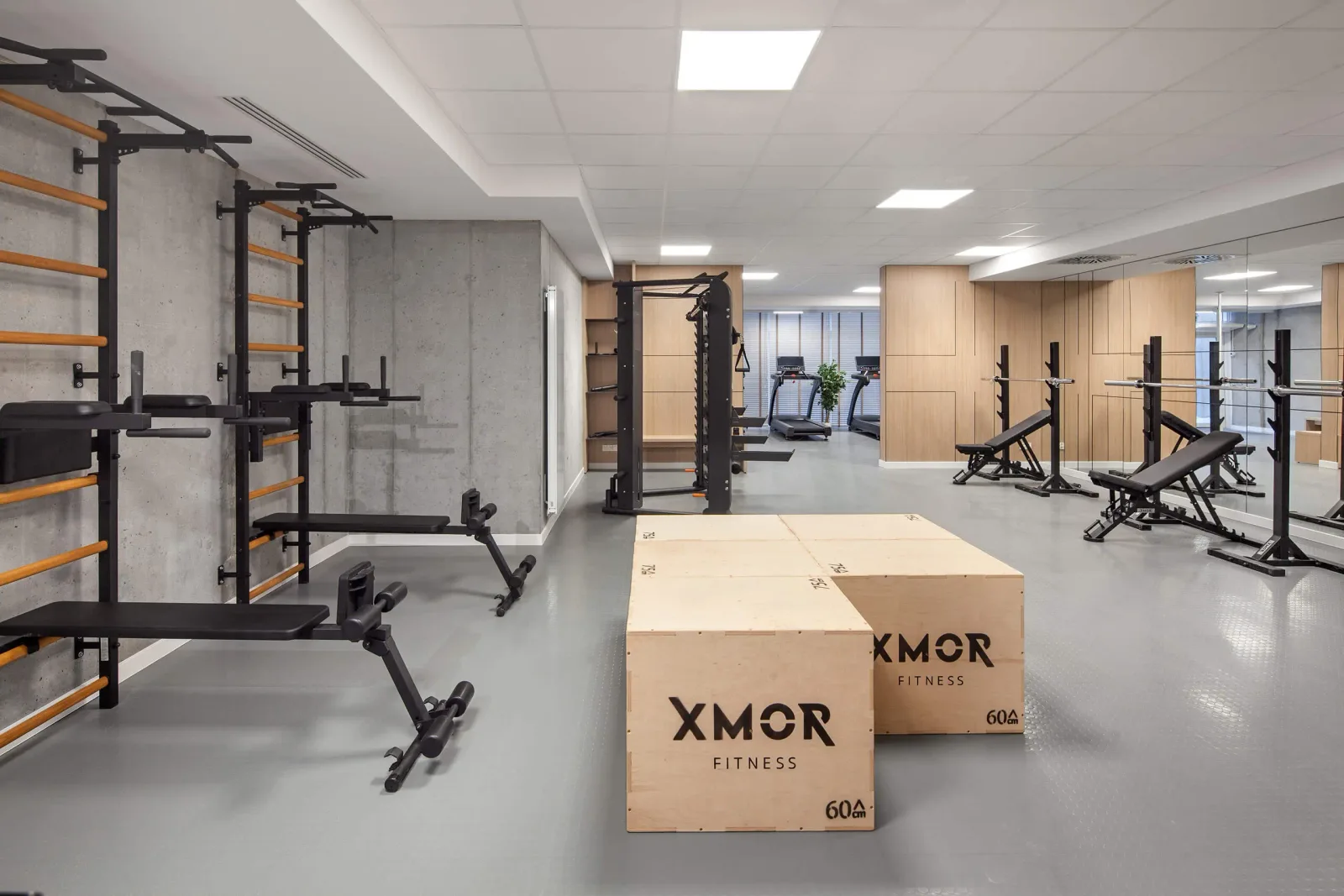
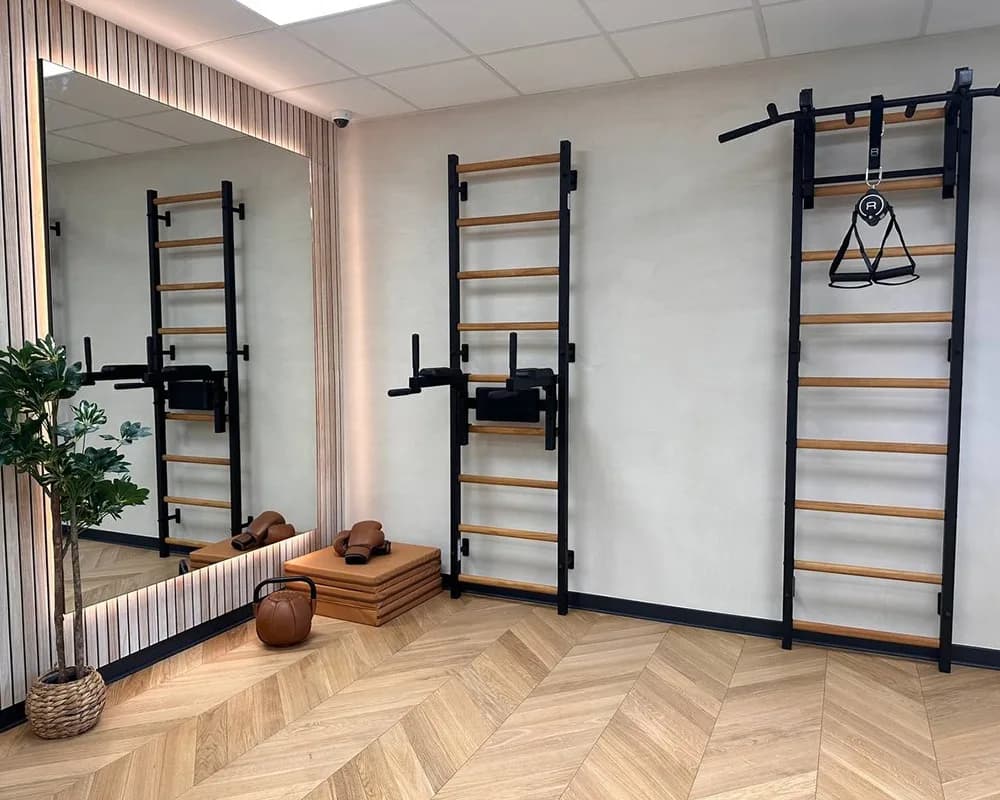
What are stall bars?
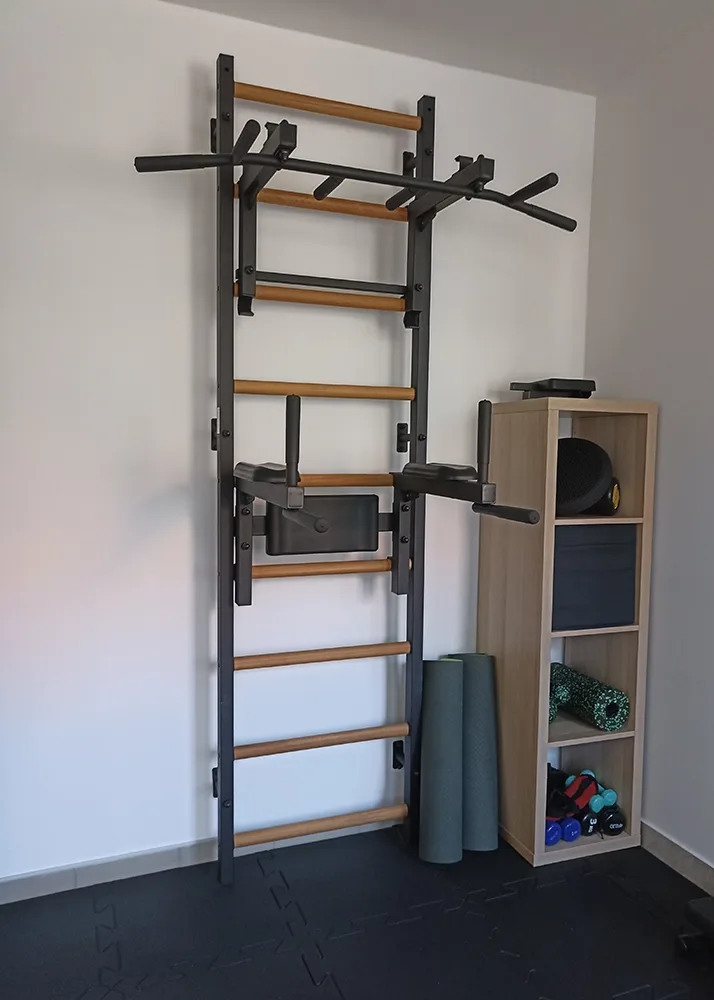
The spacing does the work. Each rung is a fixed hold at a known height, and the next one up is always 275 mm higher, so a progression becomes a rung number you can write down and repeat next week. The rungs never move, and nothing needs adjusting between sets.
Best sellers


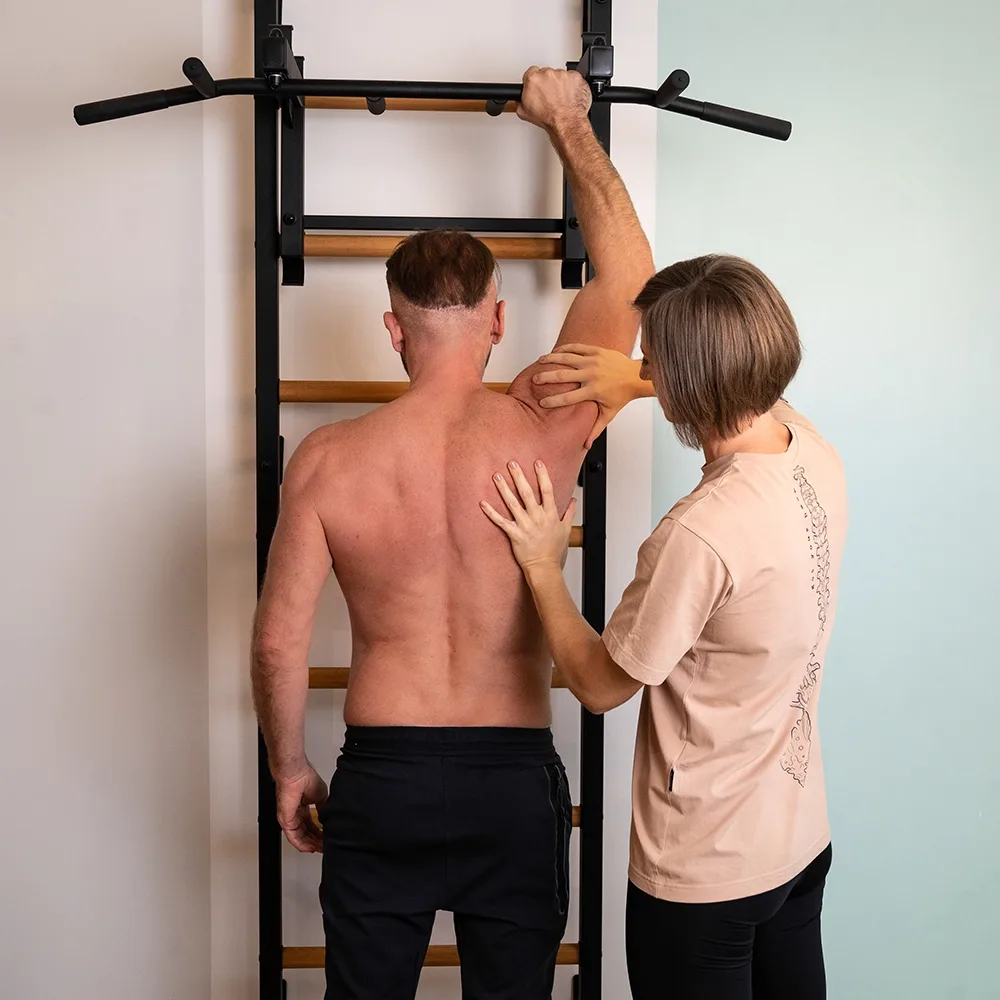
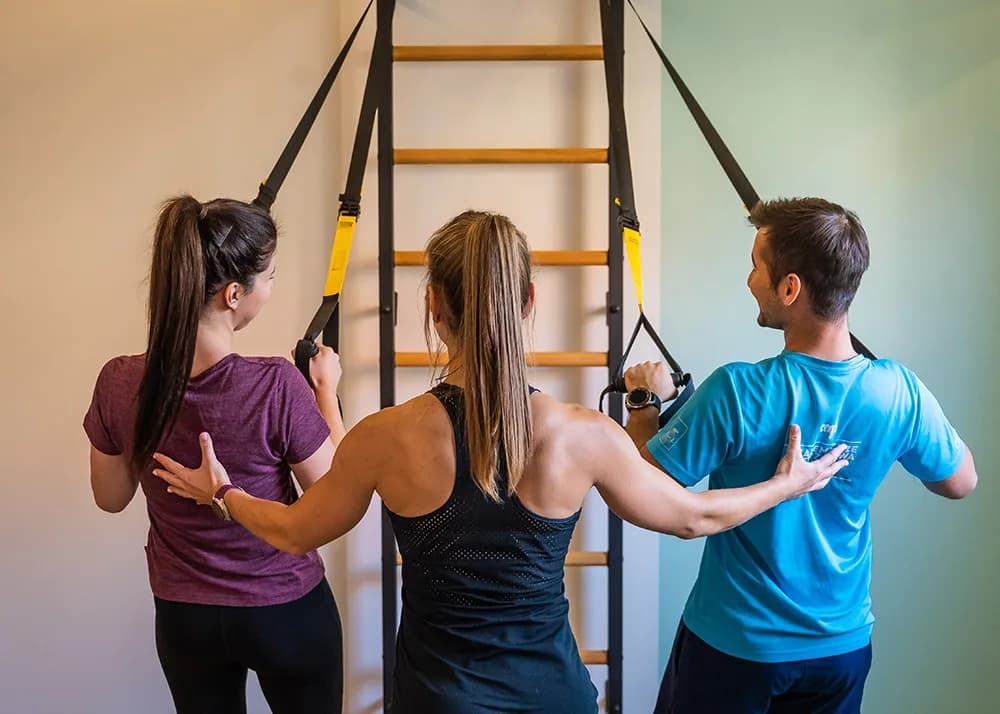
How do physical therapists use stall bars?
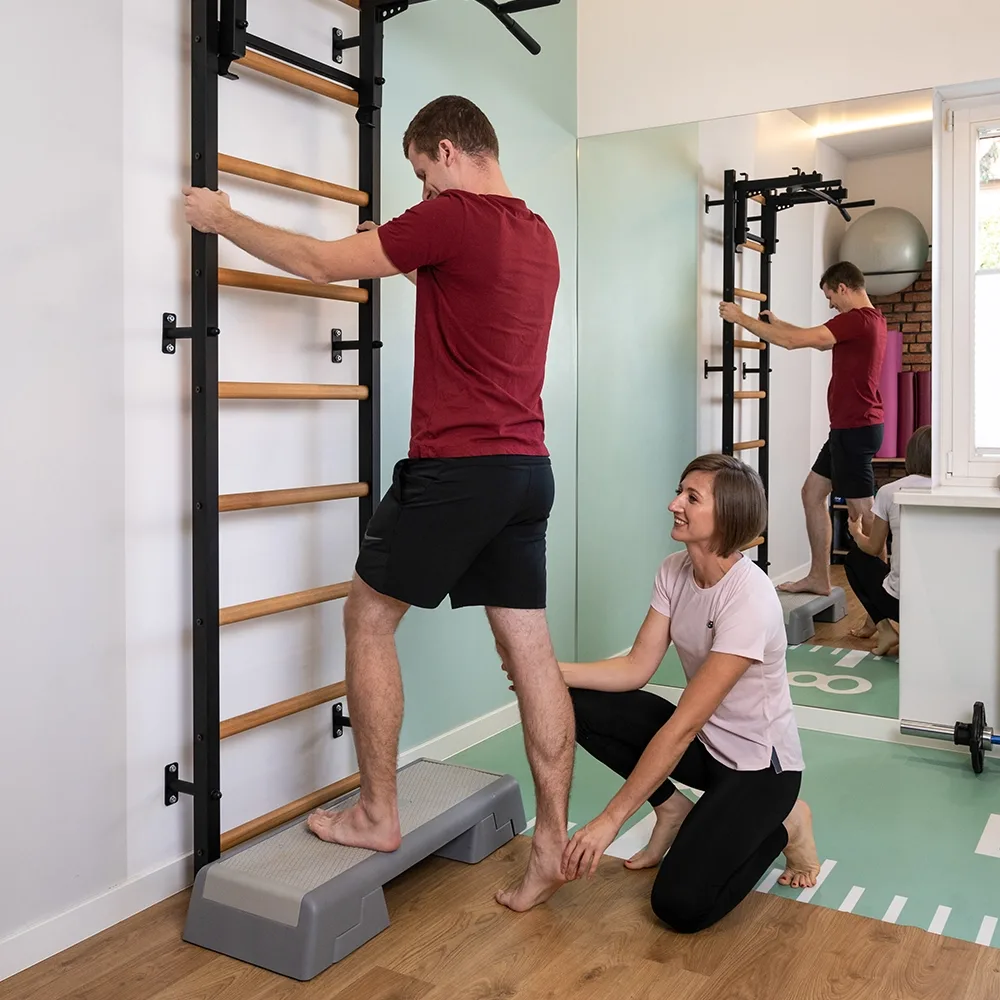
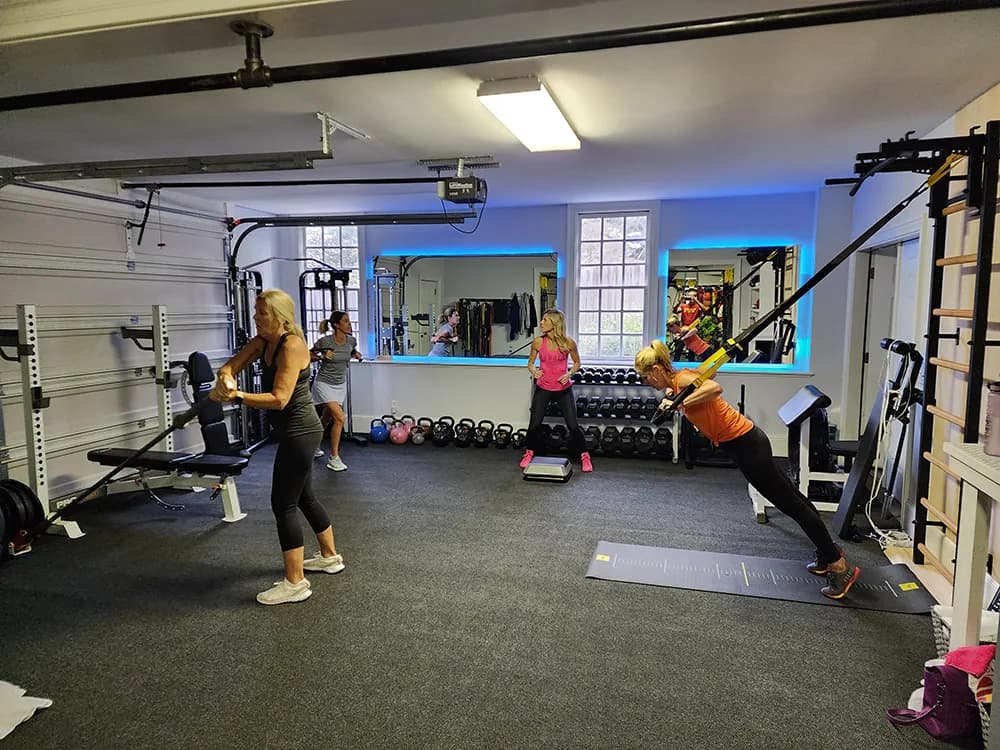
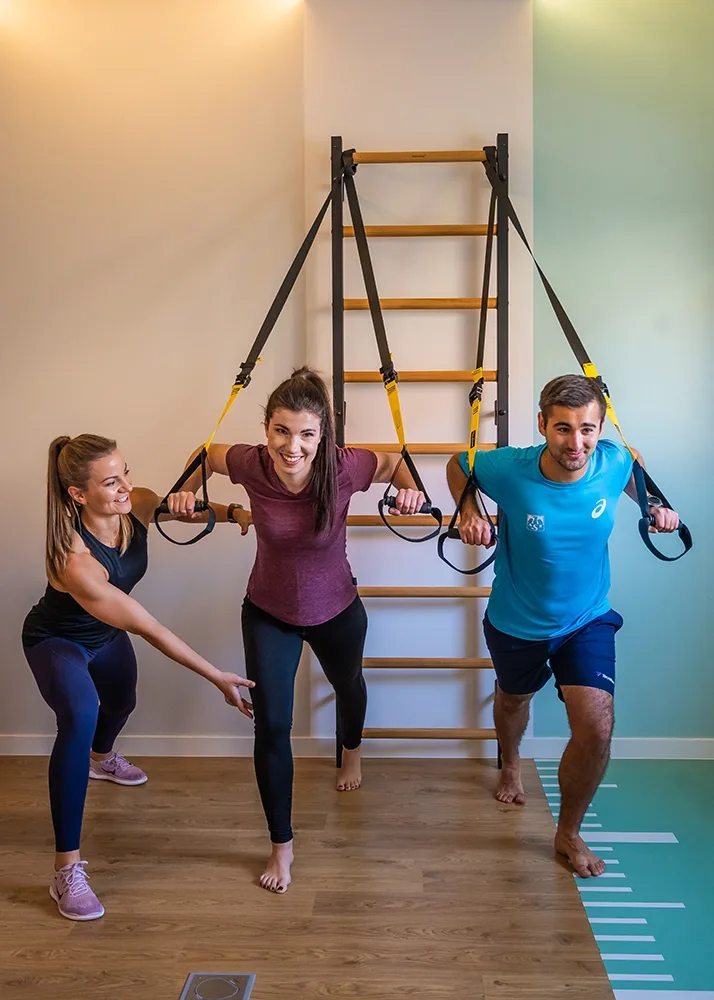
As fixed holds for exercises that need one. Scoliosis care has the clearest written record: a 2016 review of seven schools of scoliosis-specific exercise lists wall bars among the equipment commonly used to assist Schroth exercises (Berdishevsky et al., Scoliosis and Spinal Disorders). In the FITS program from the same review, a patient lies on her back on two balance discs and holds a Swiss ball against a wall bar with her feet.
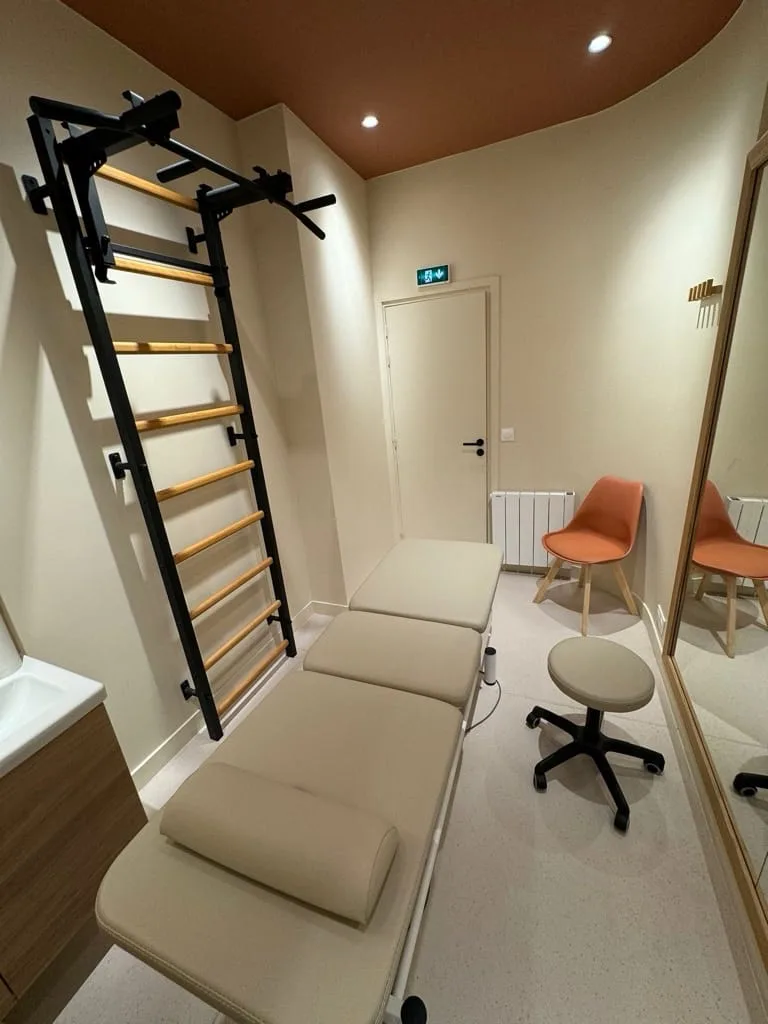
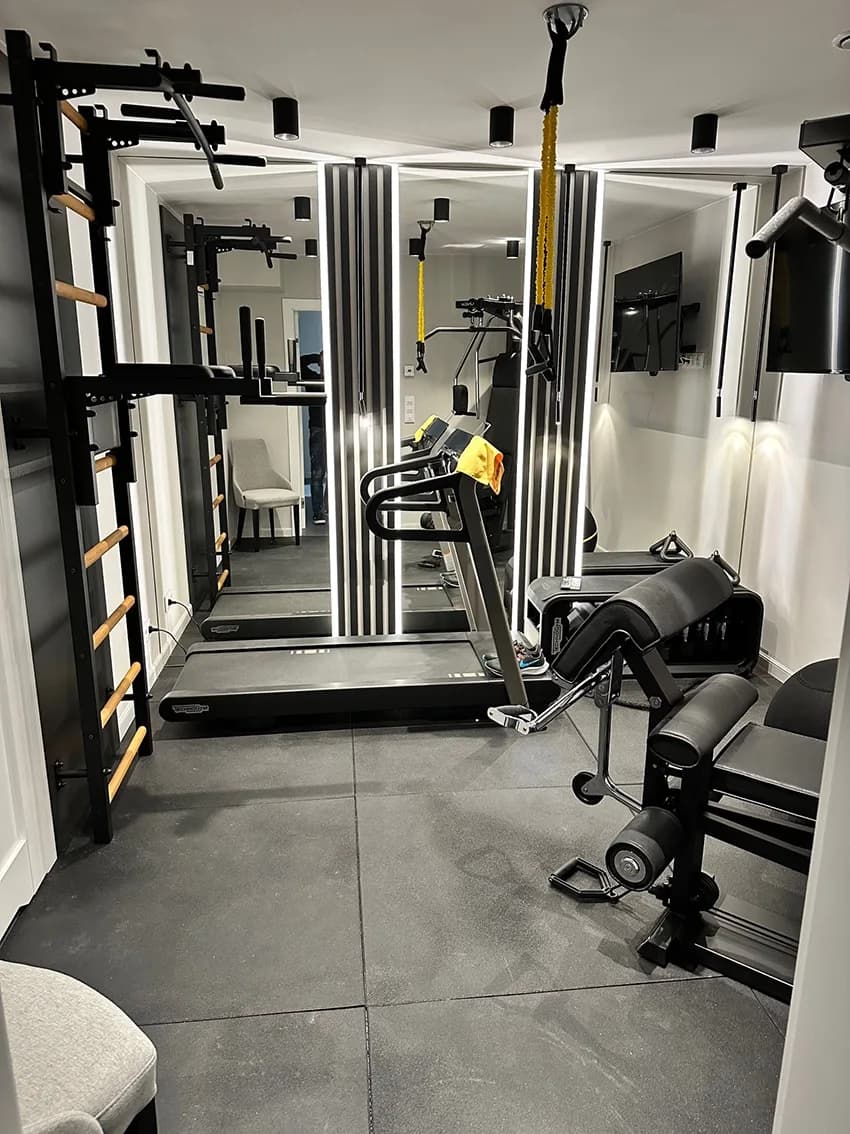
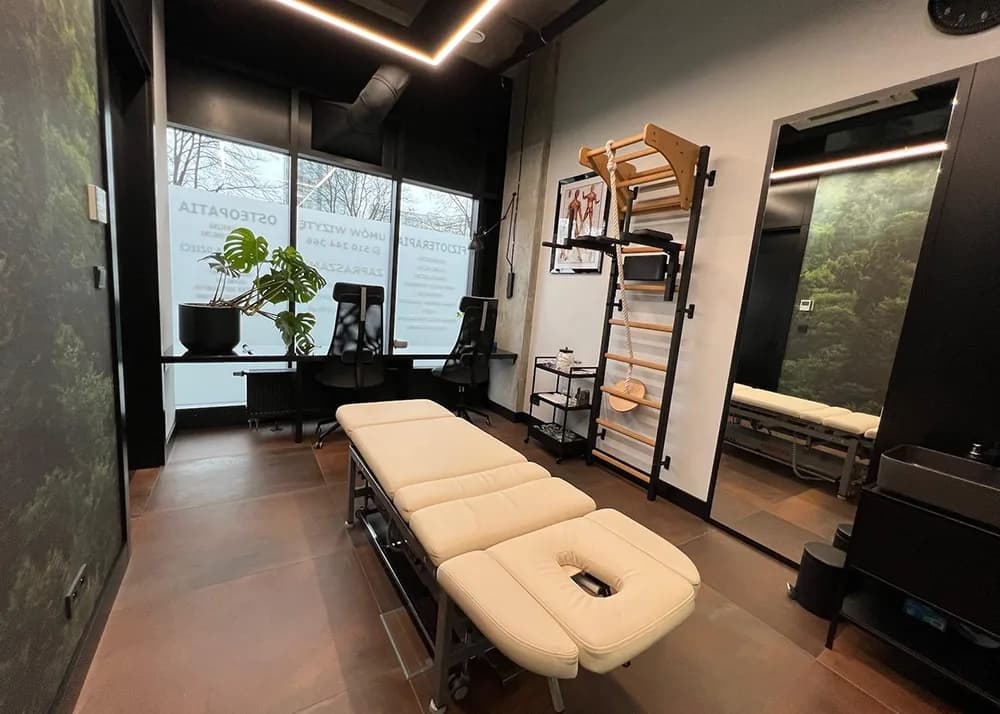
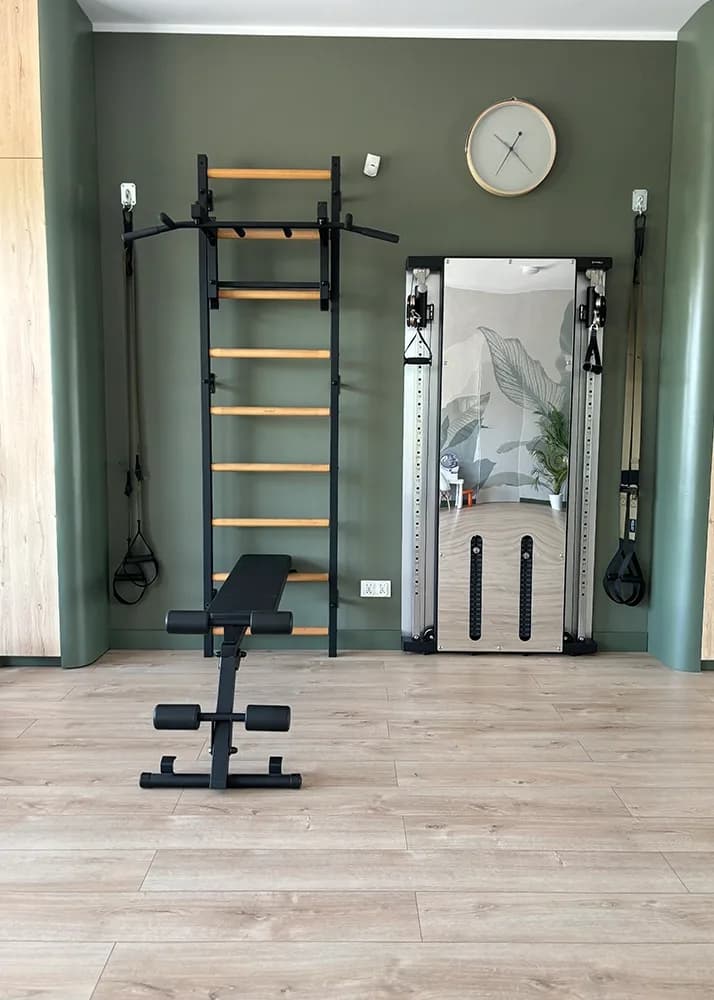
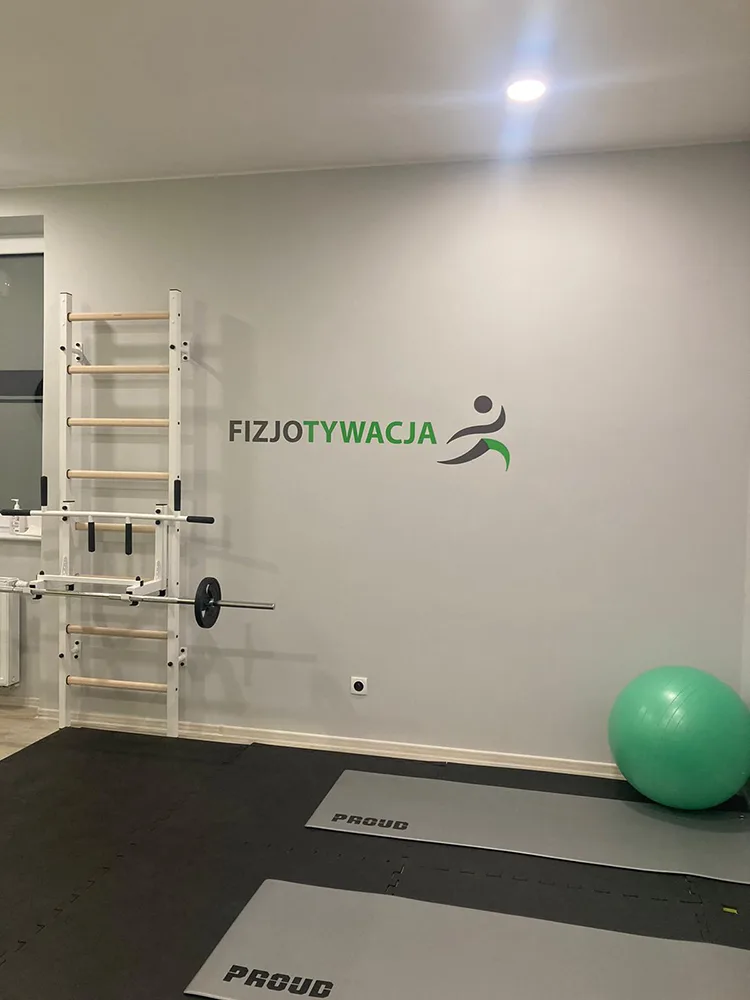
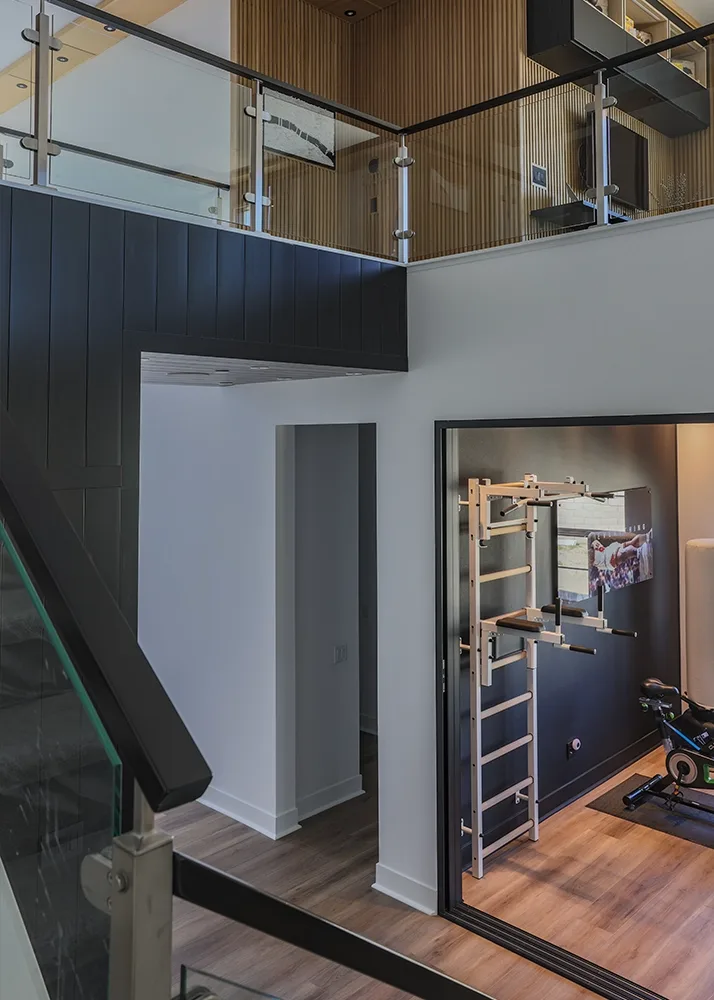
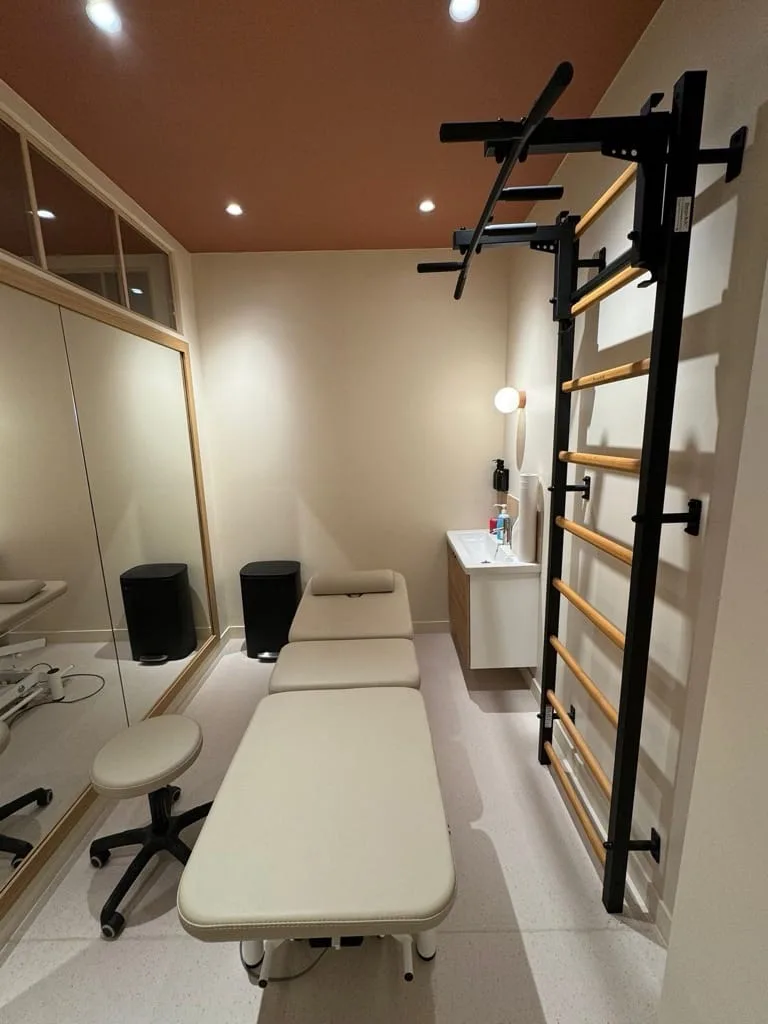
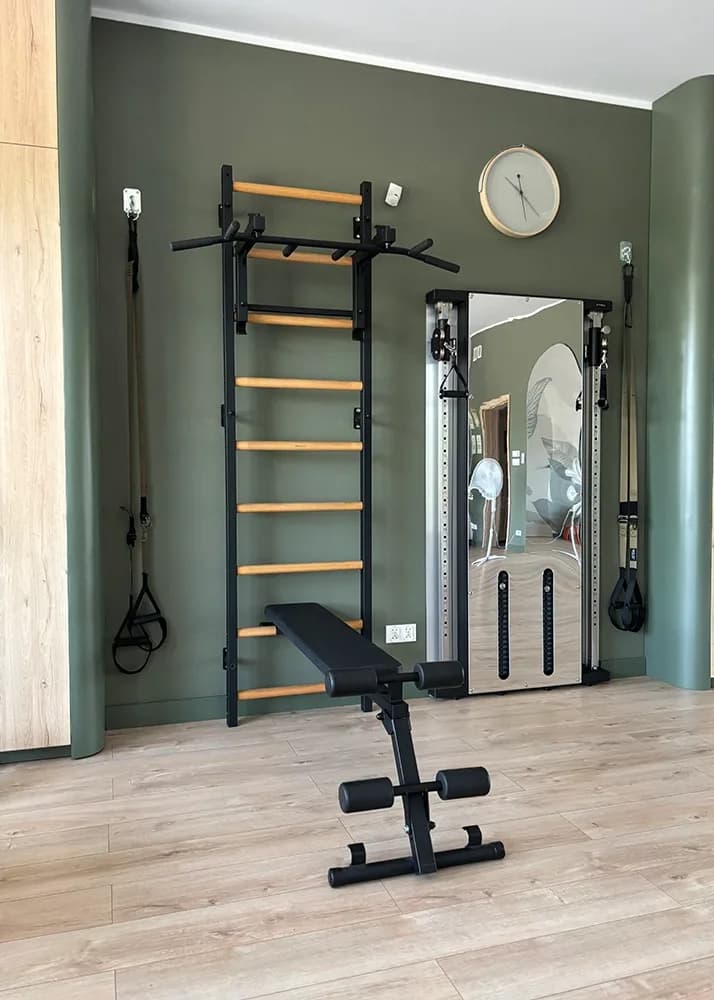
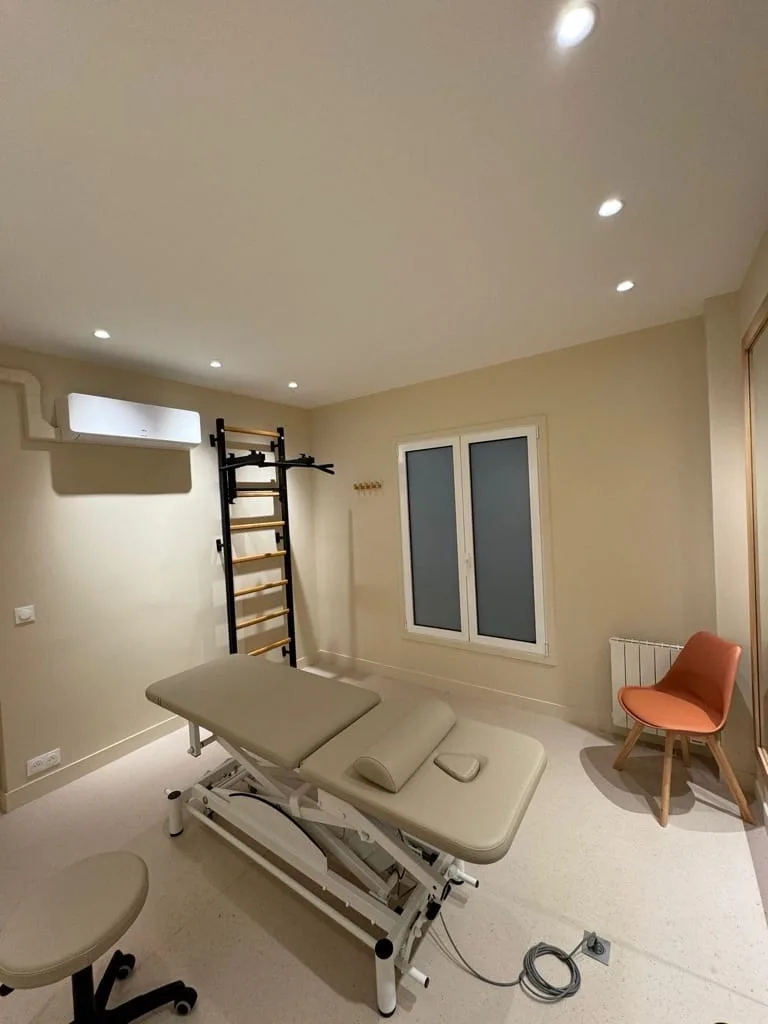
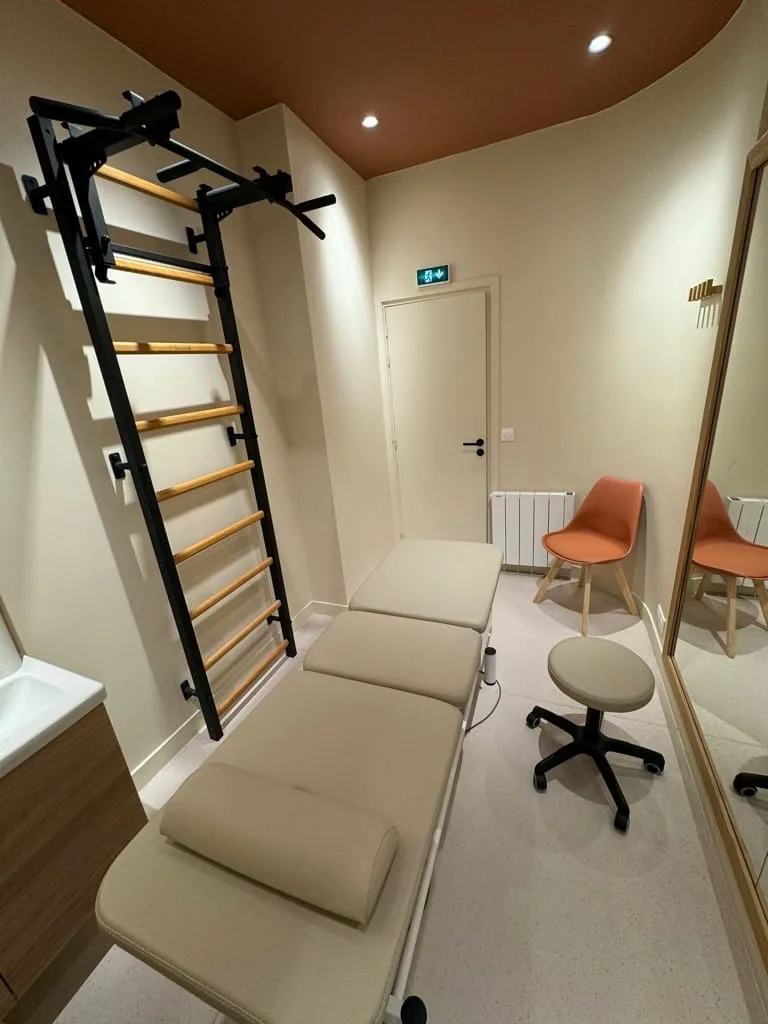
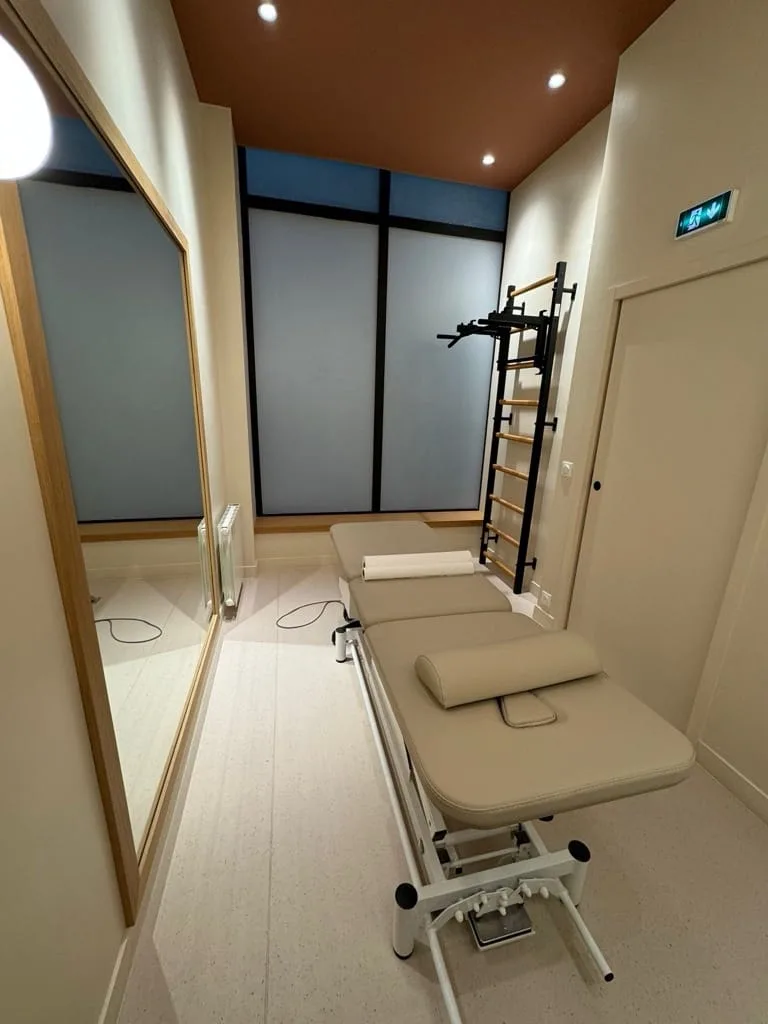
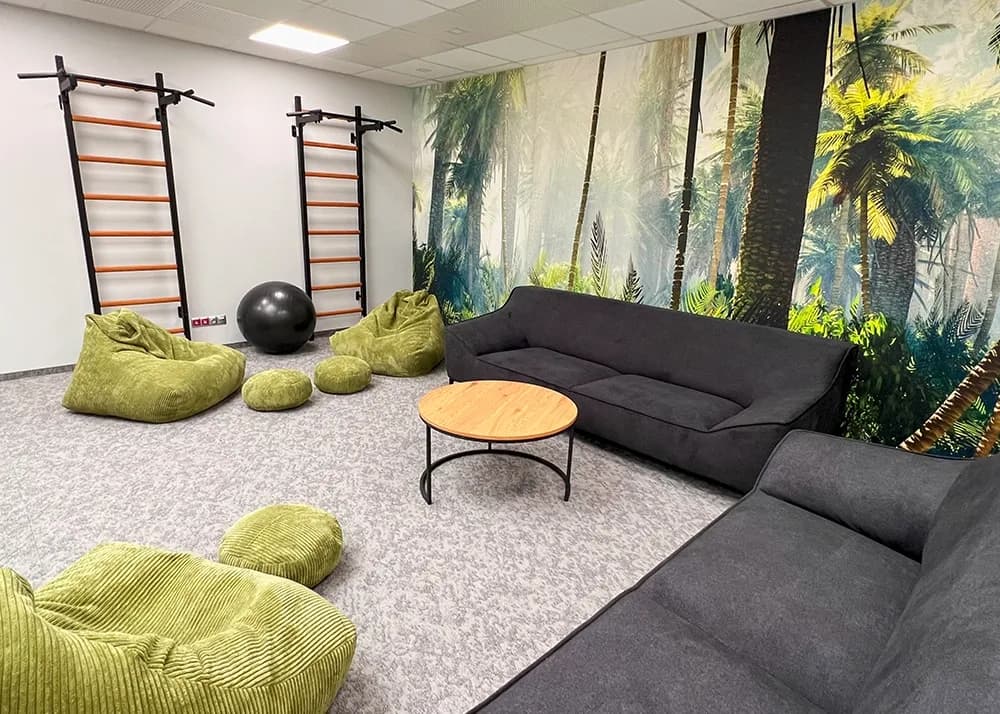
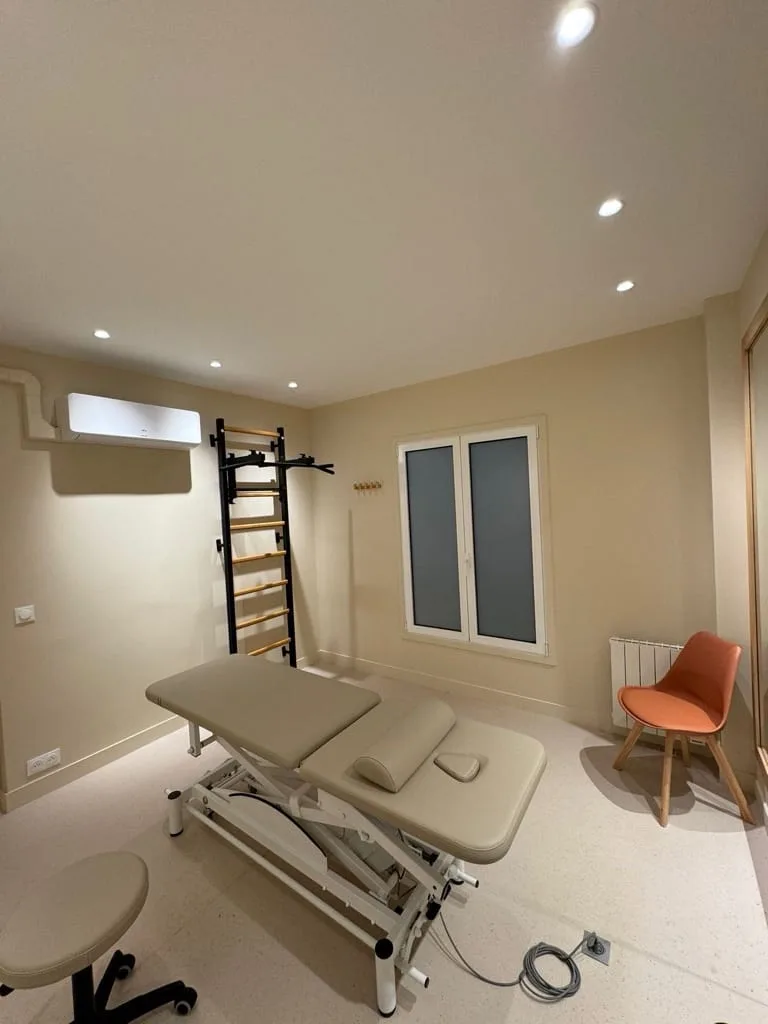
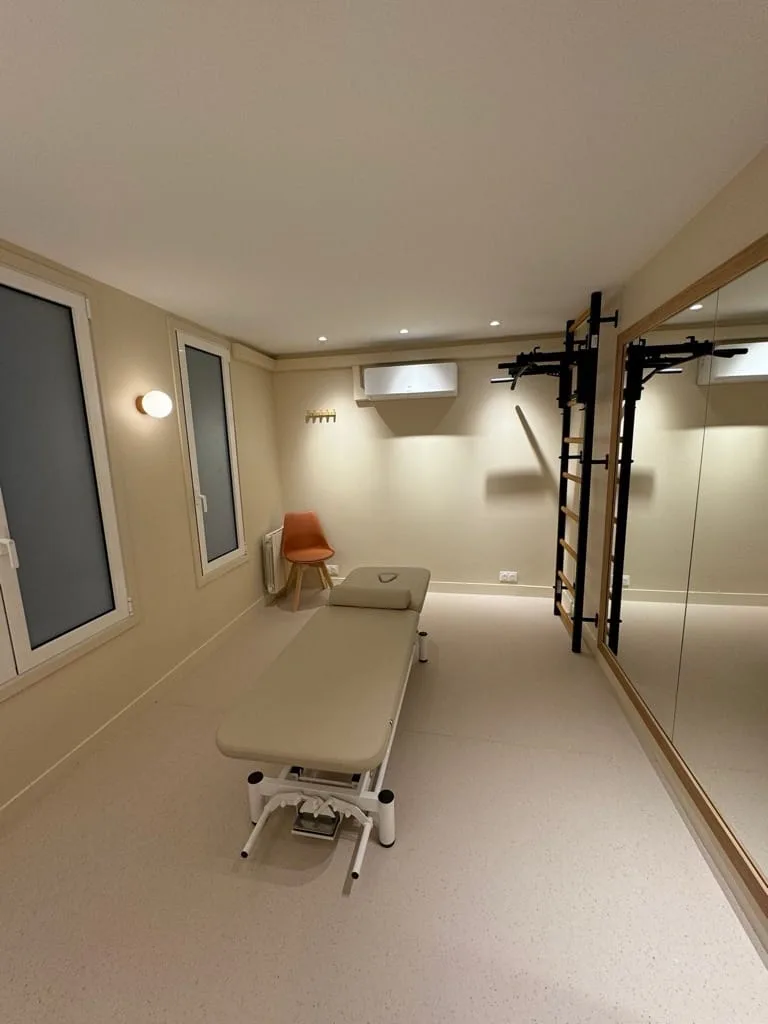
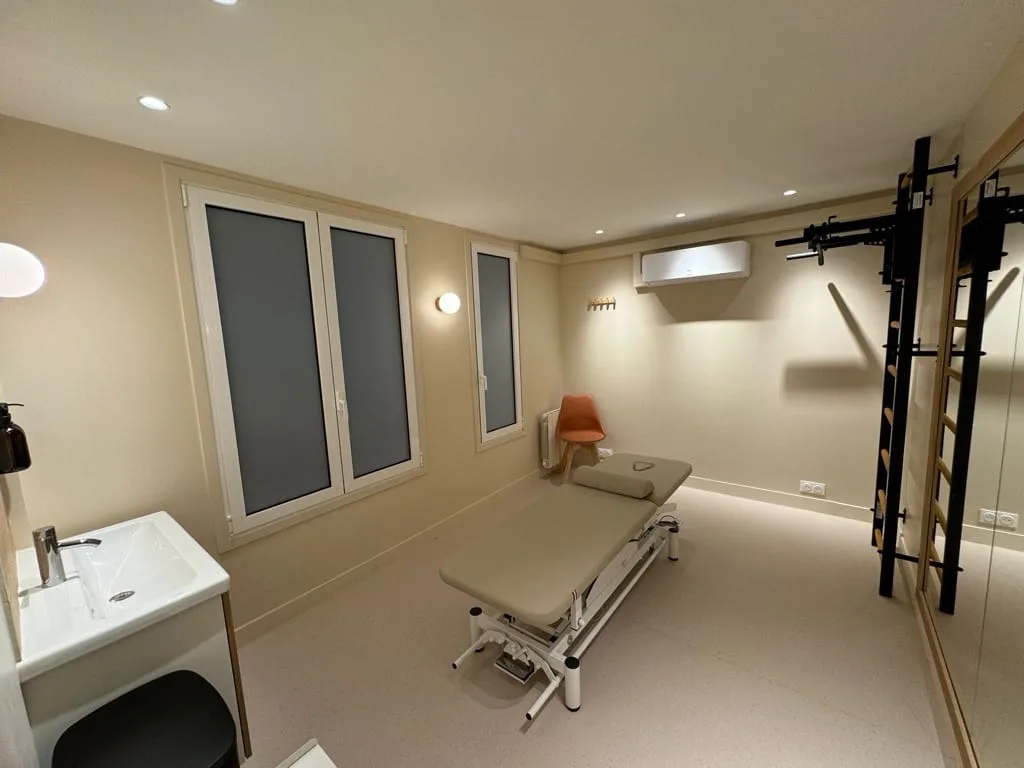
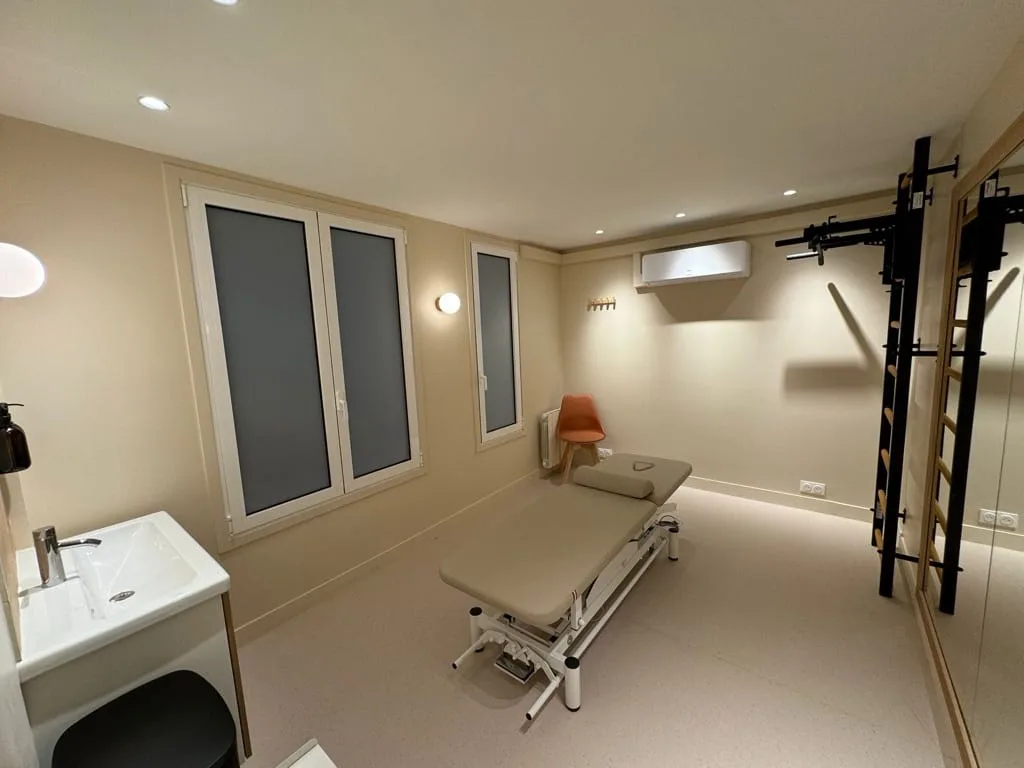
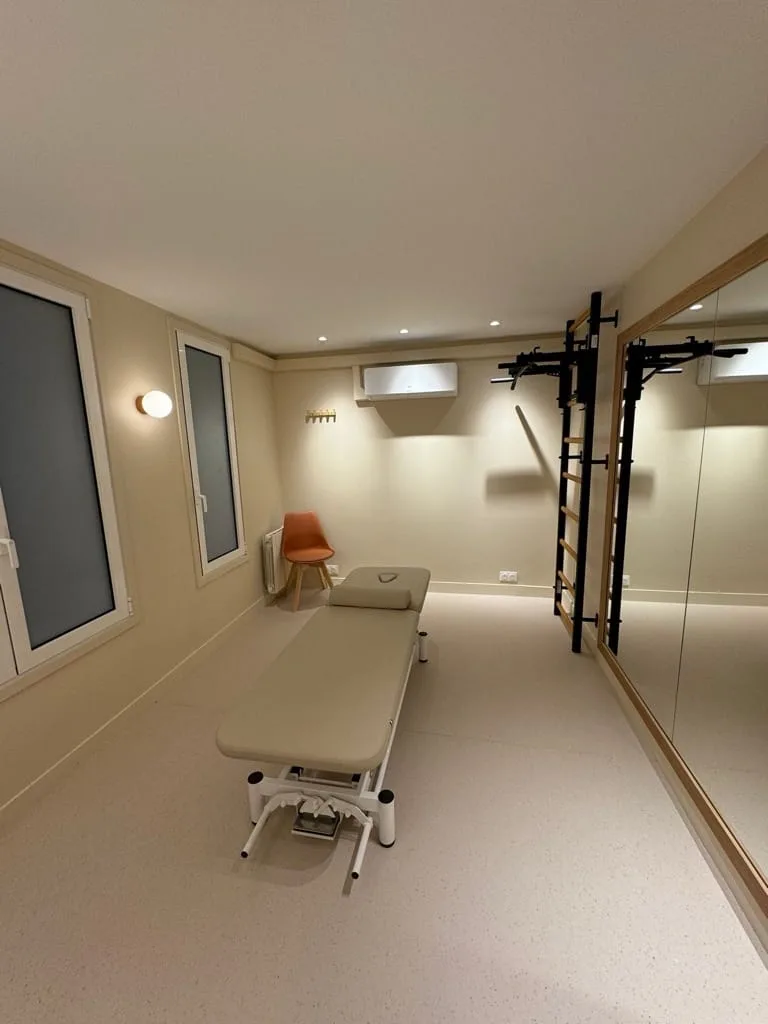
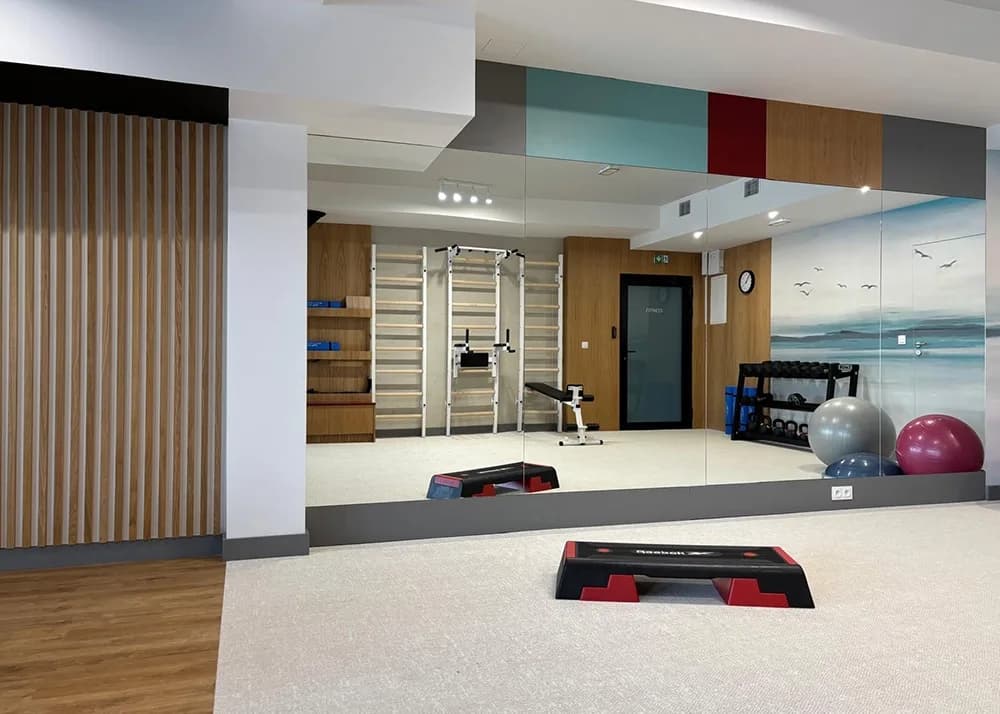
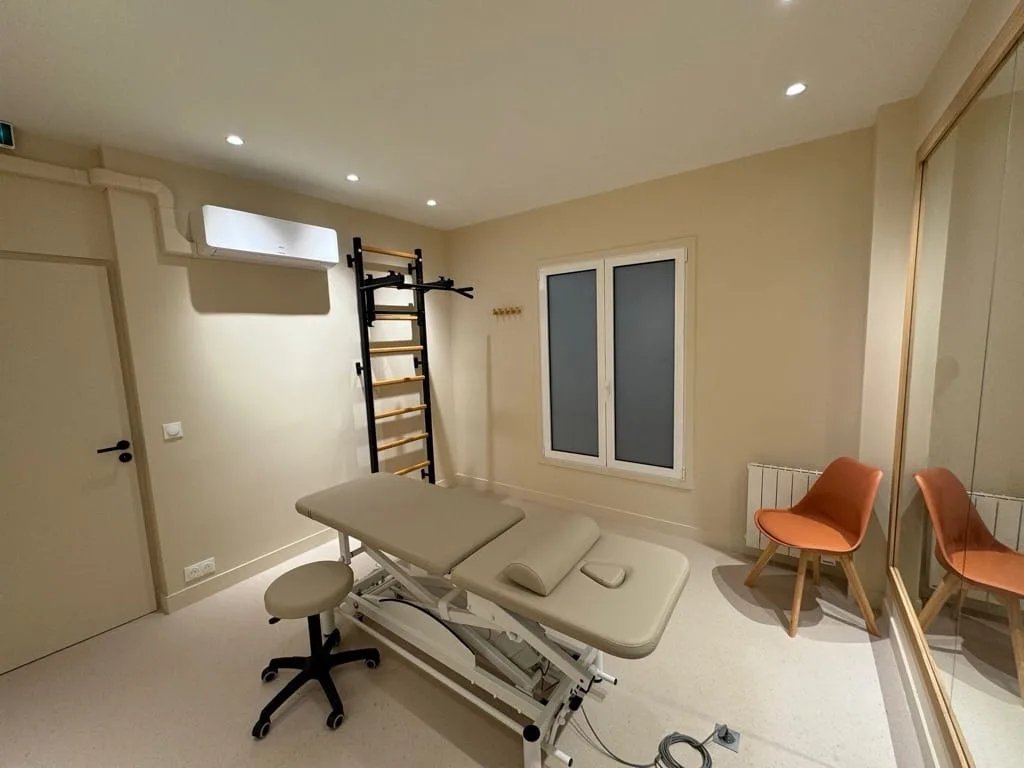
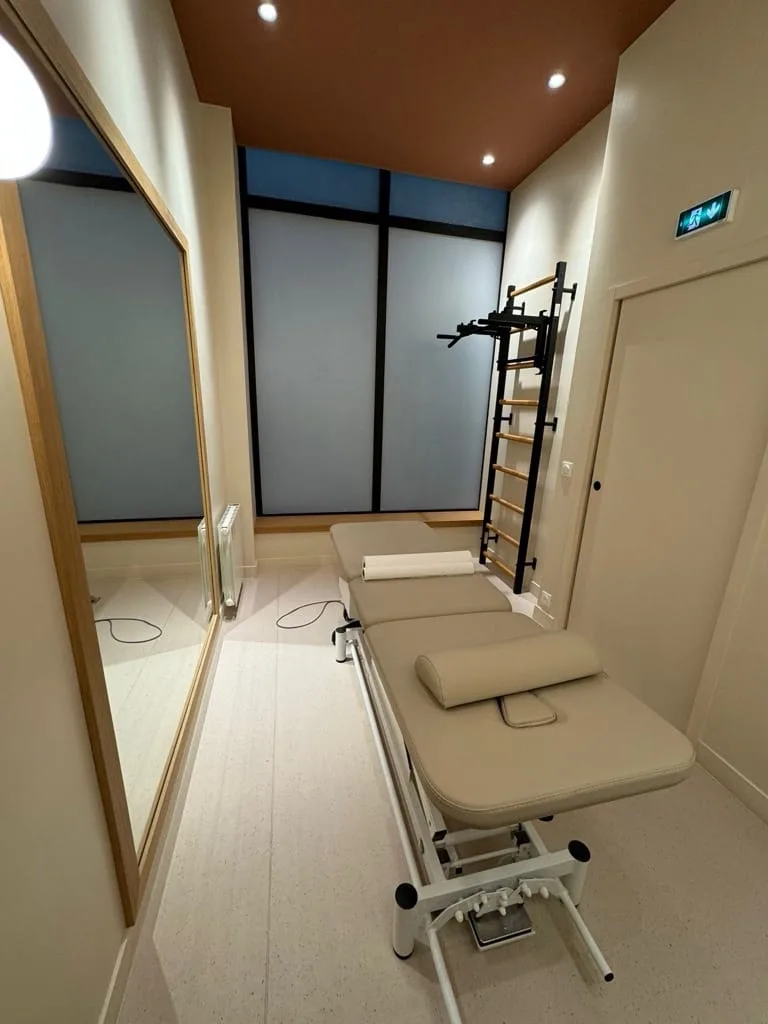
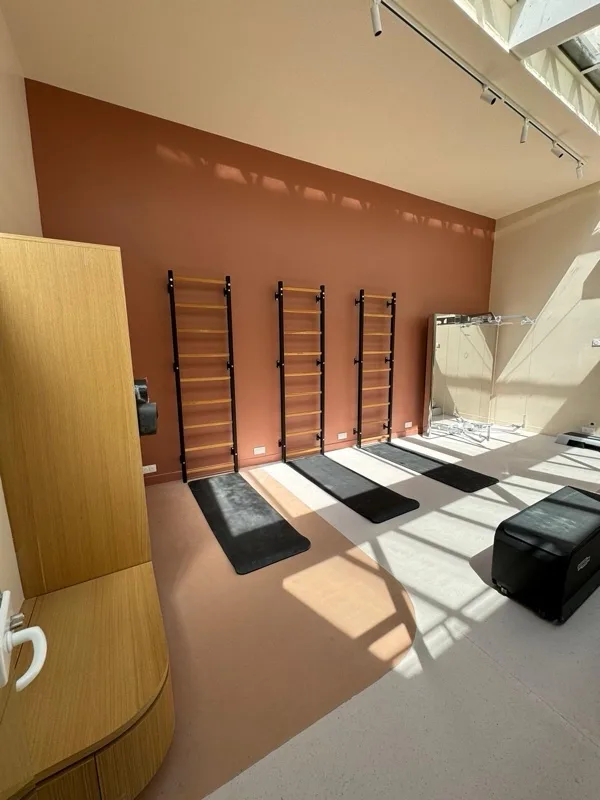
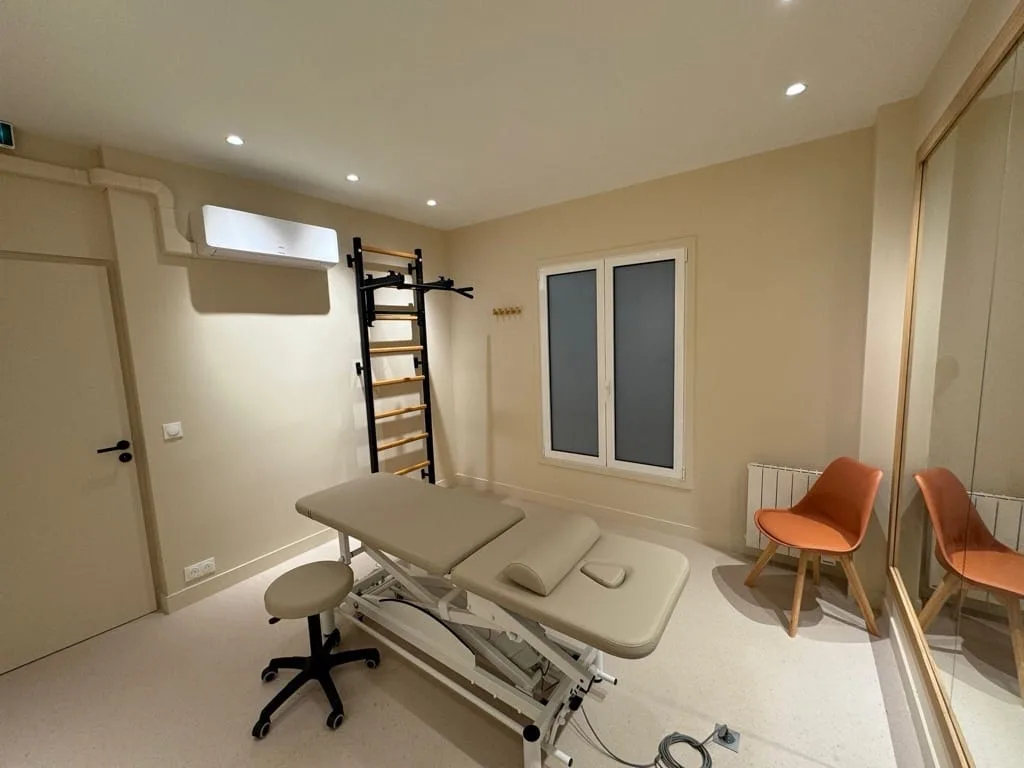
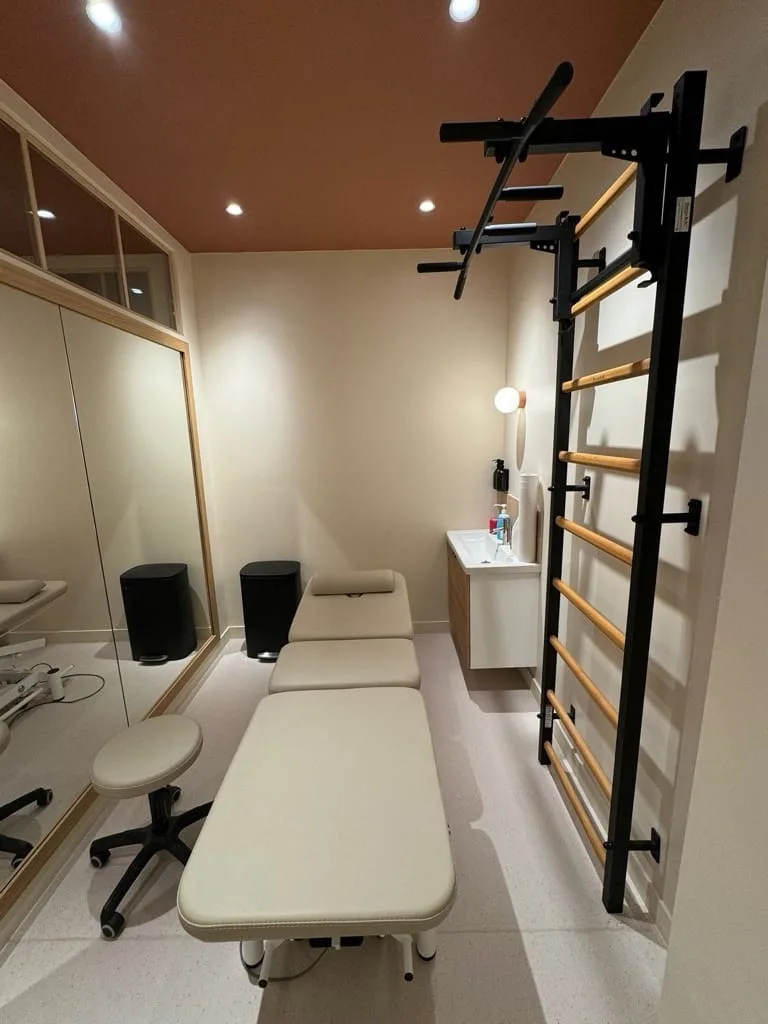
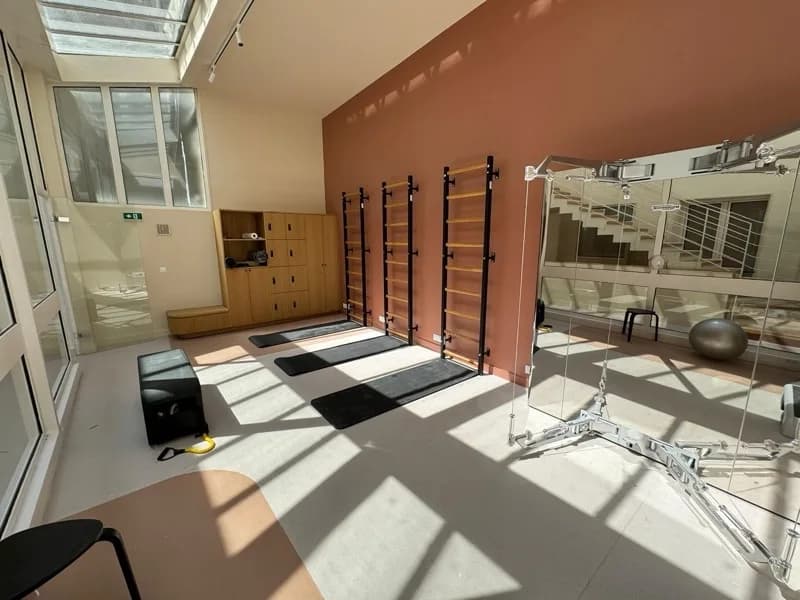
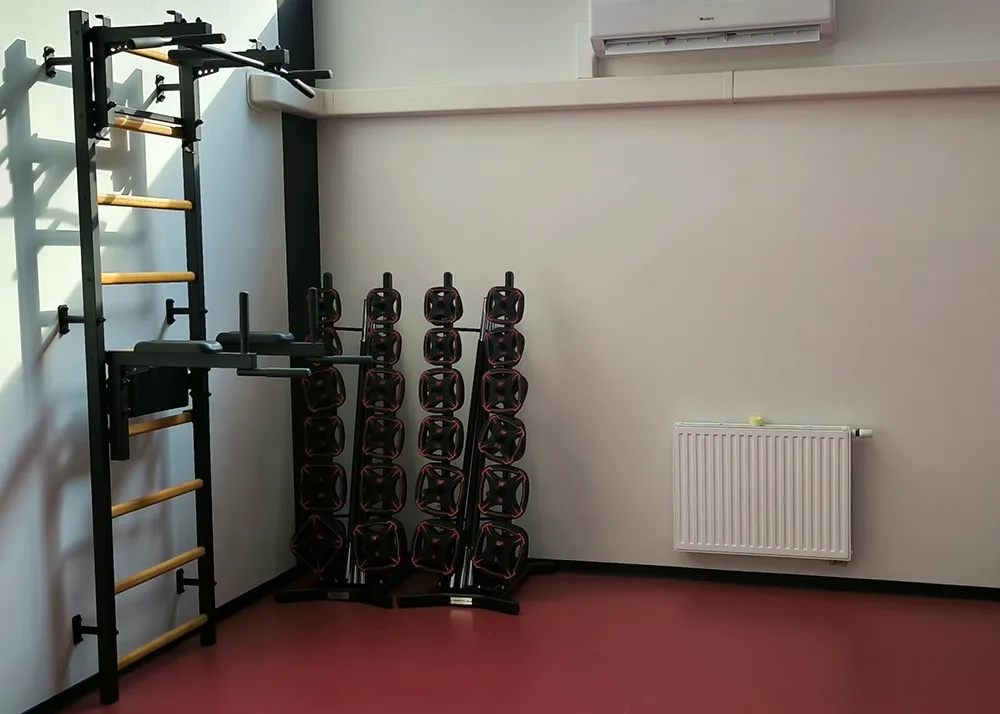
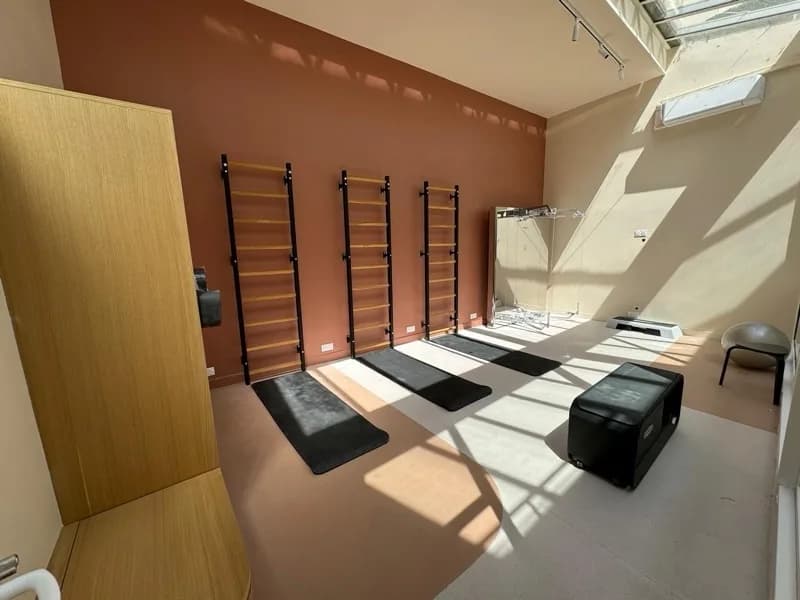
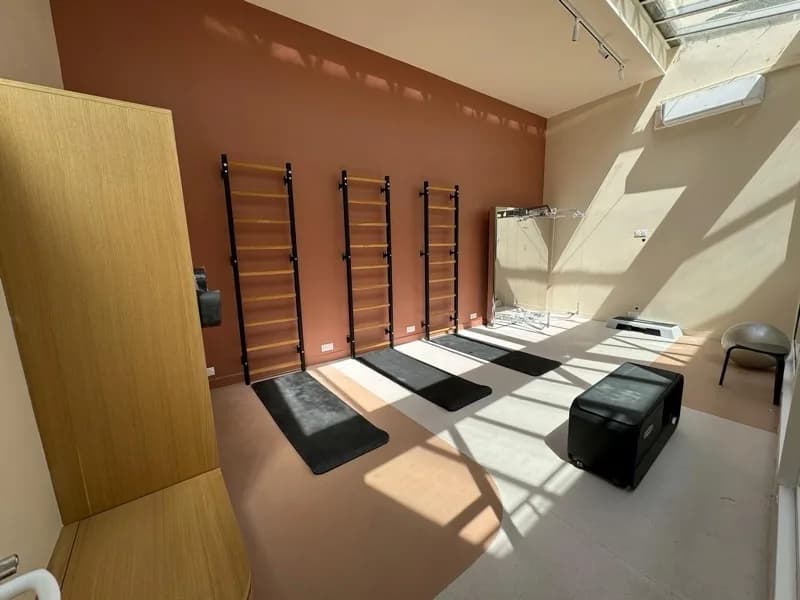
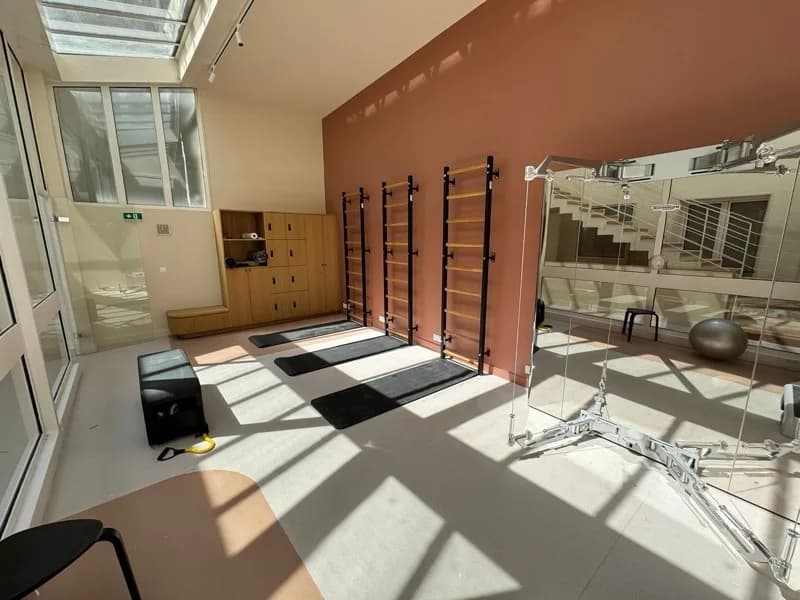
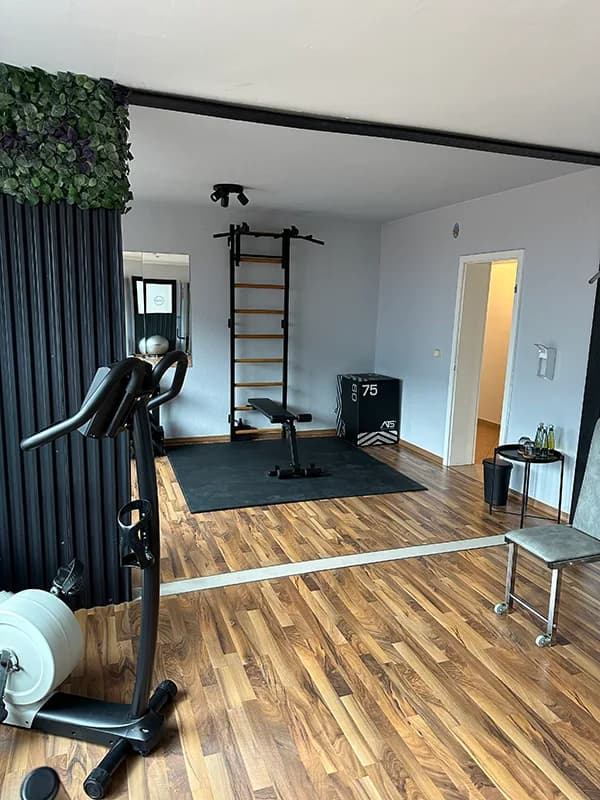
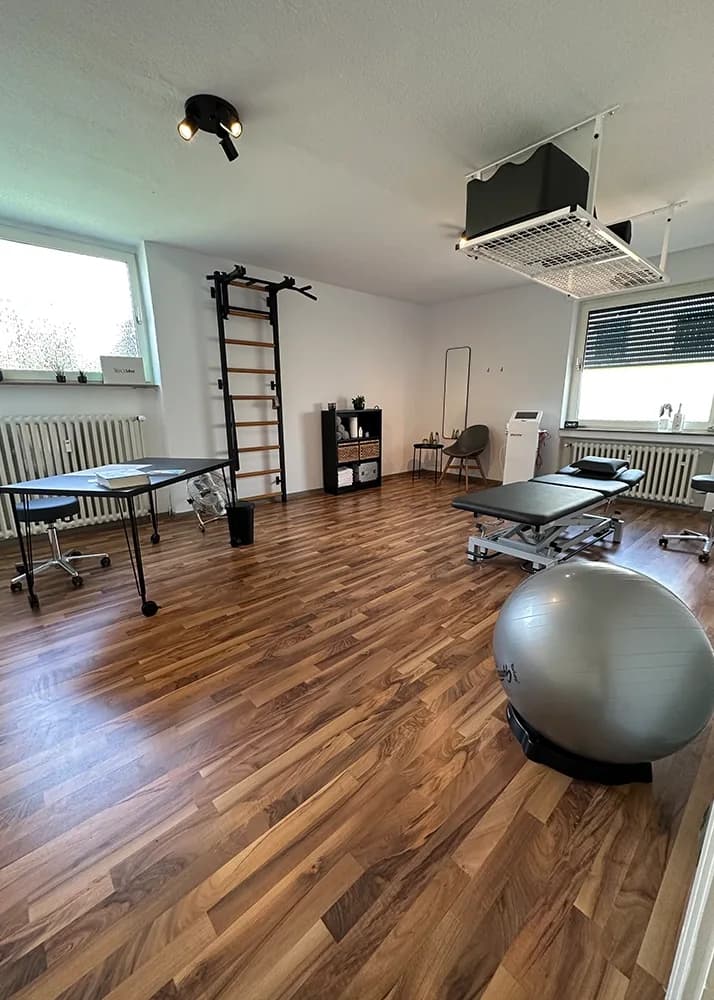
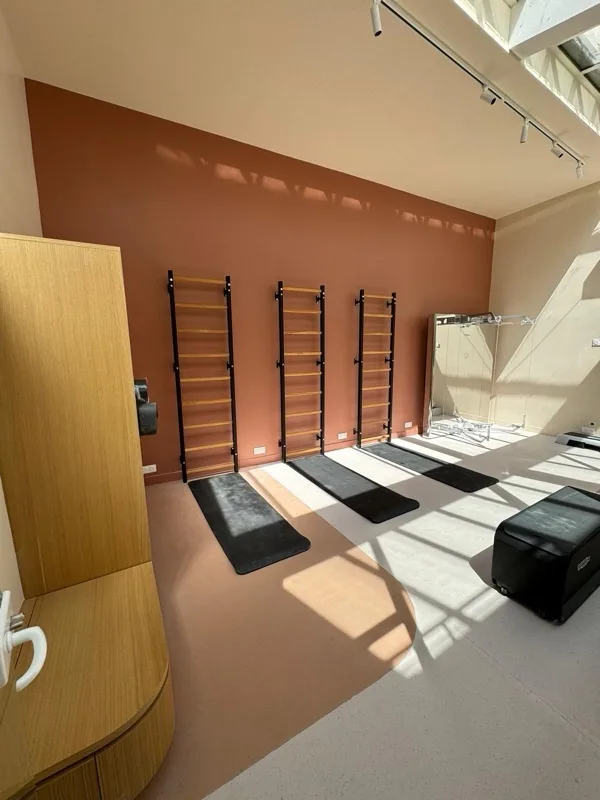
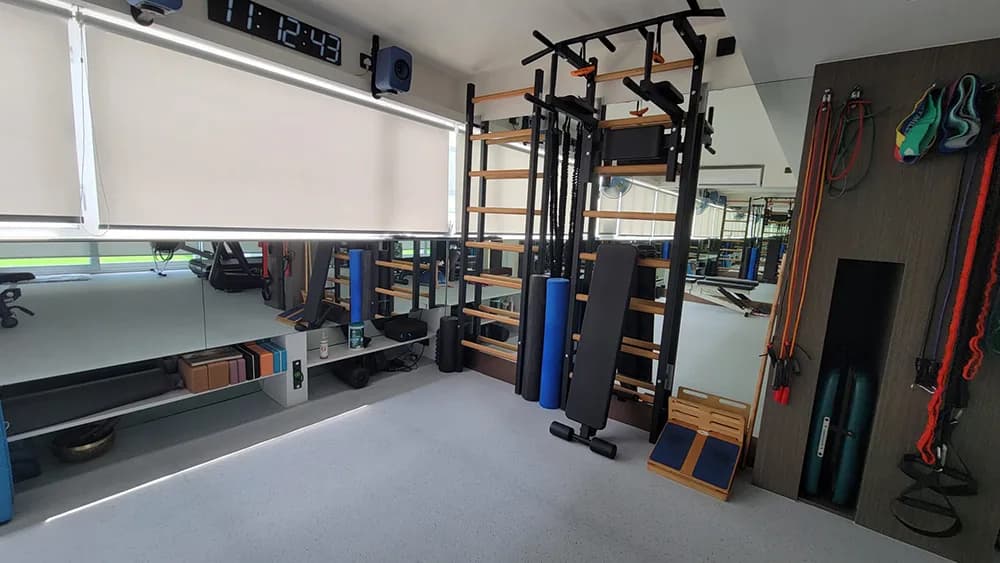
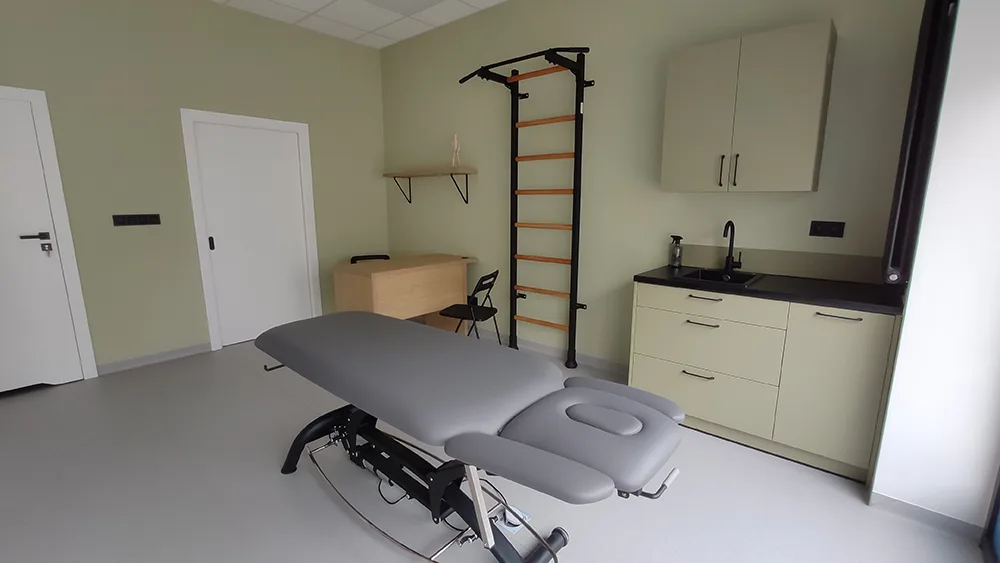
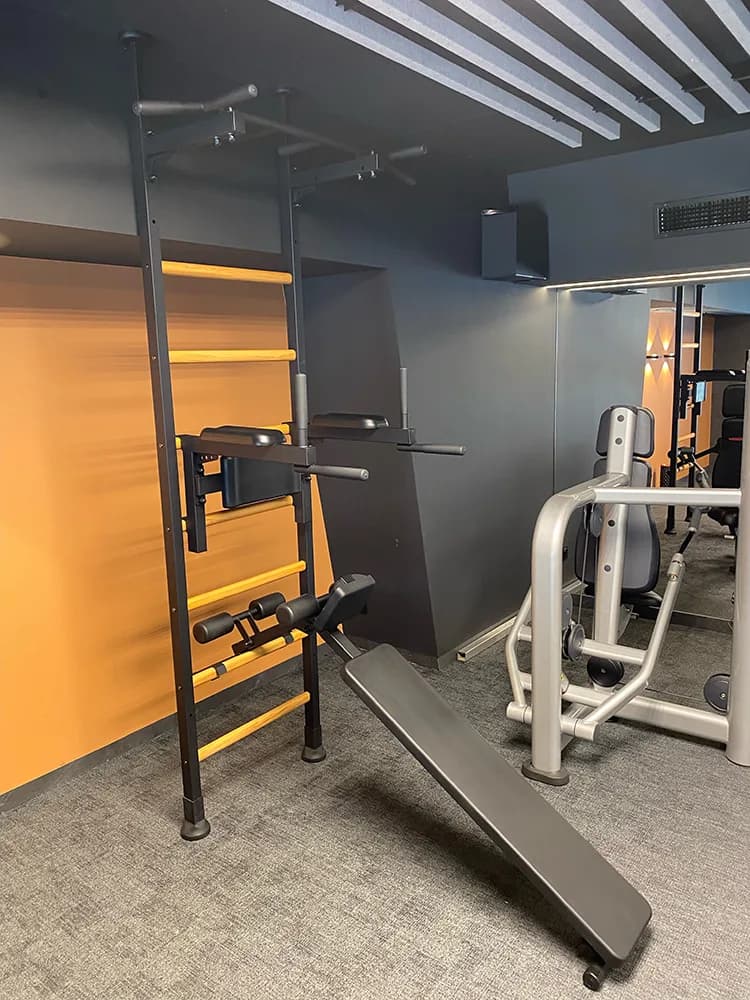
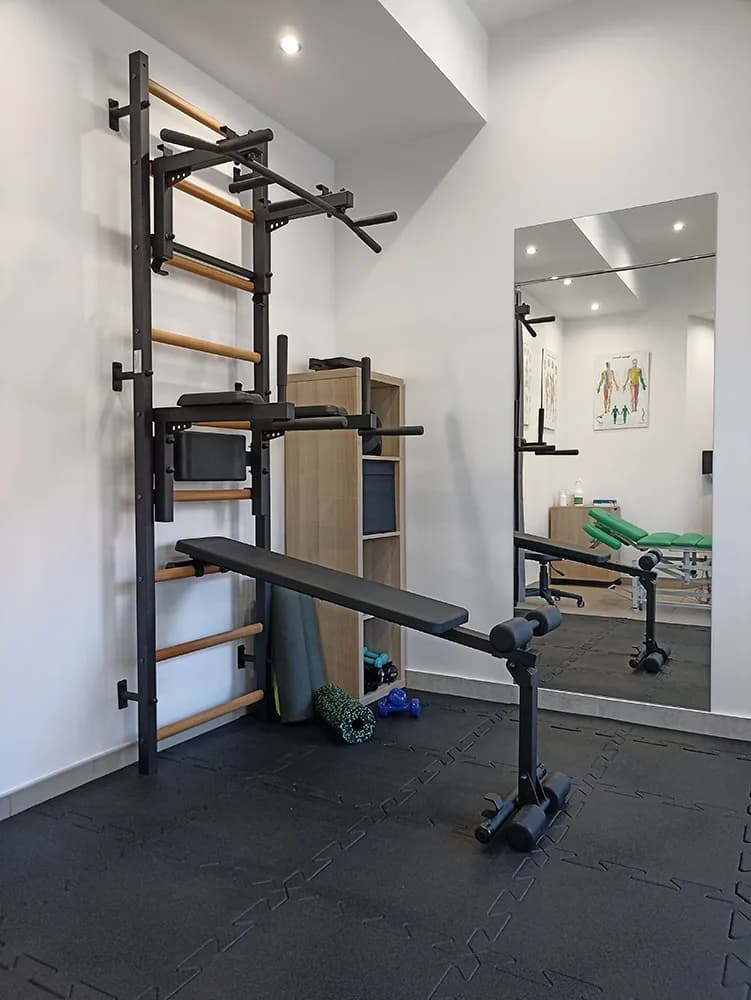
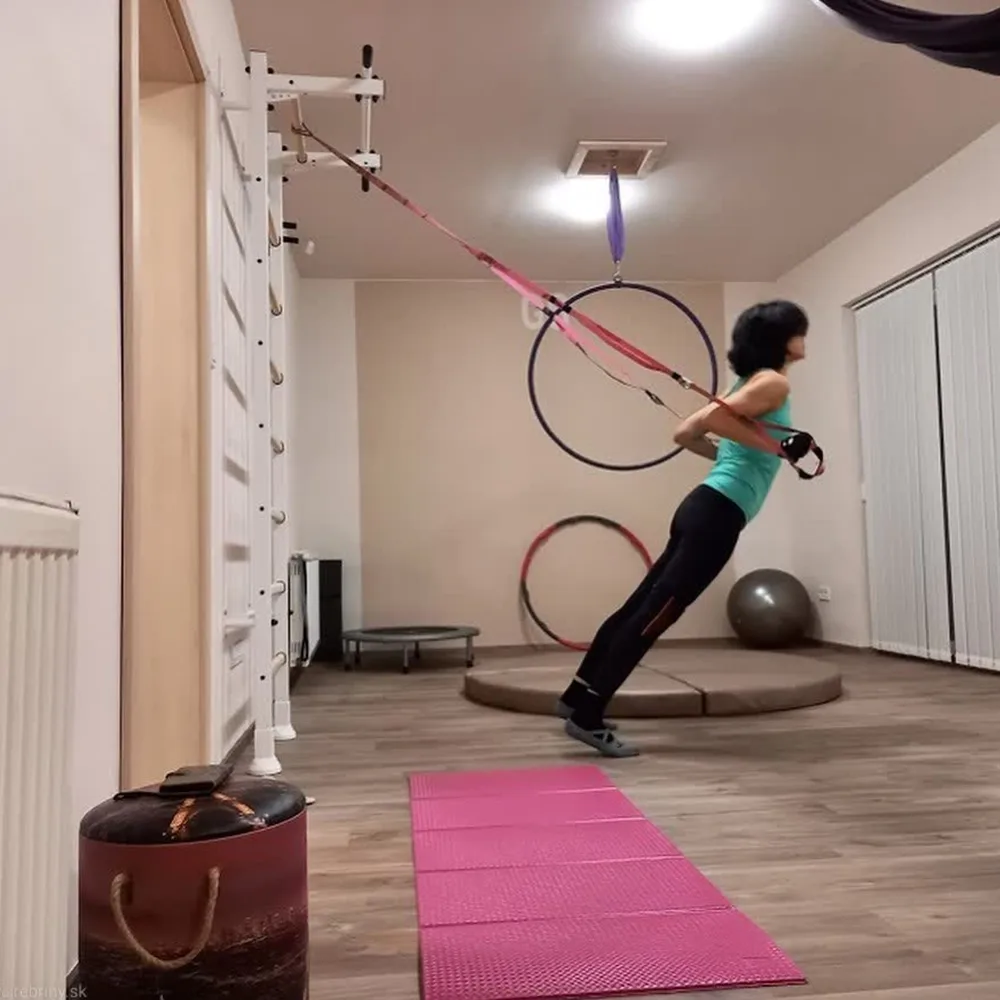
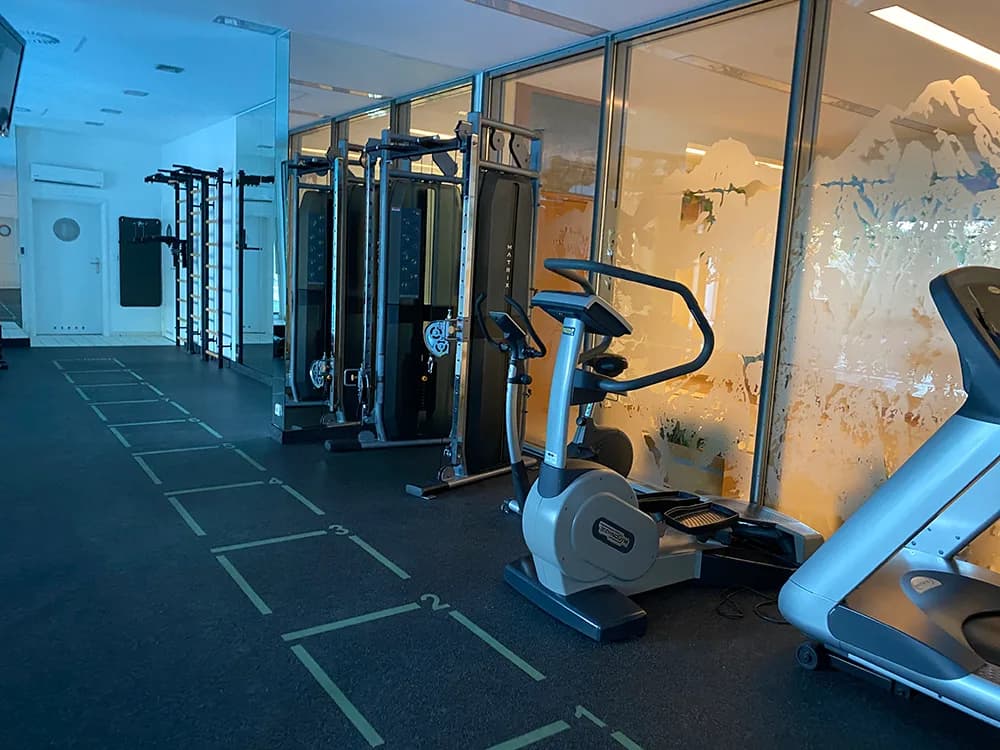
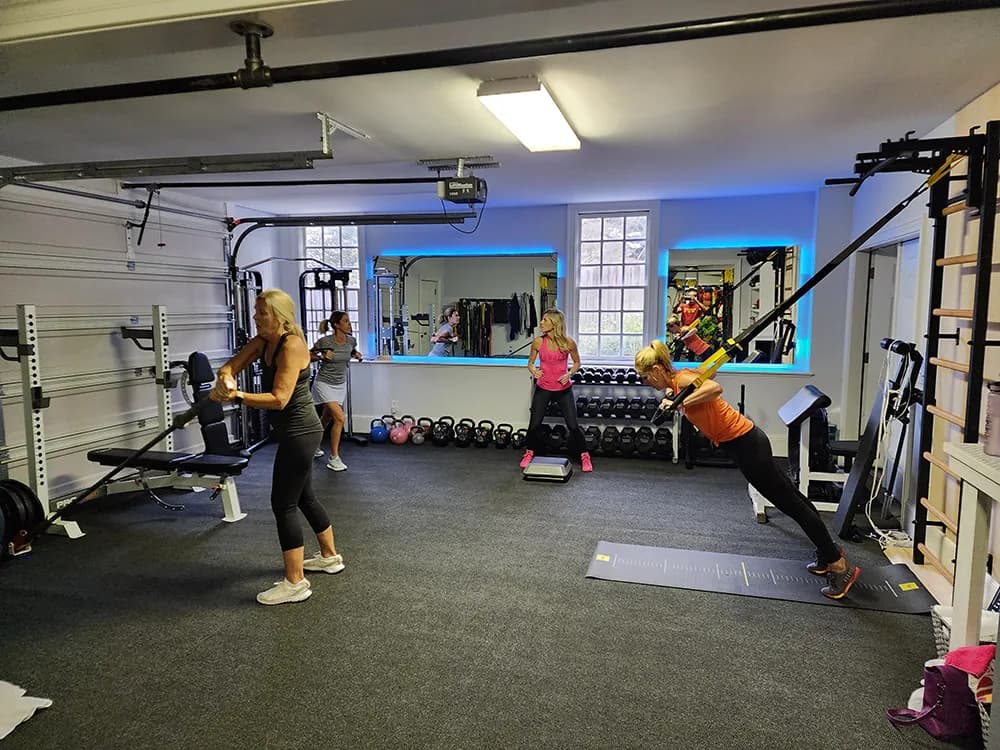
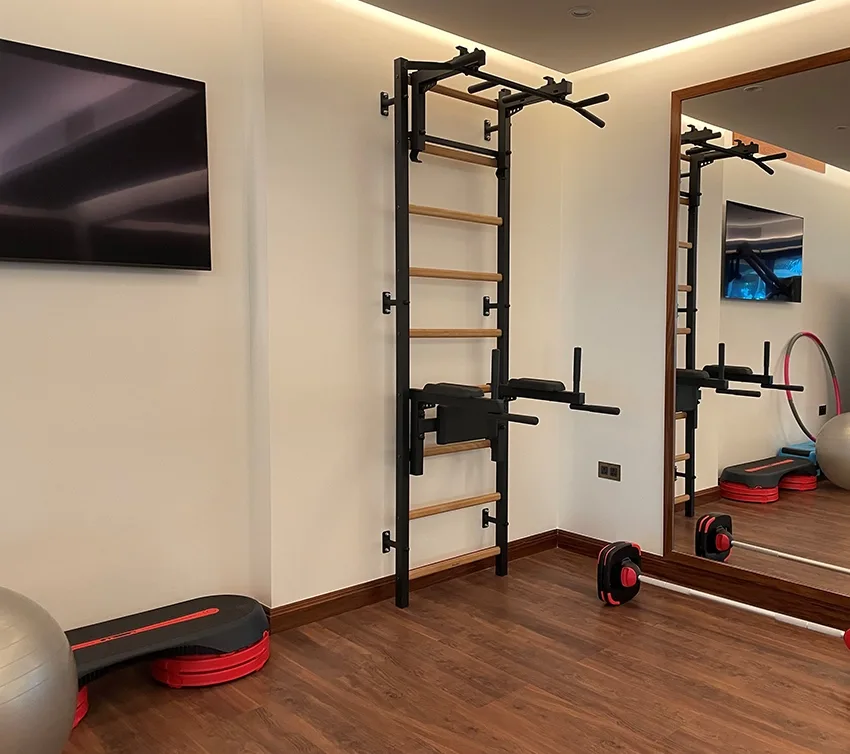
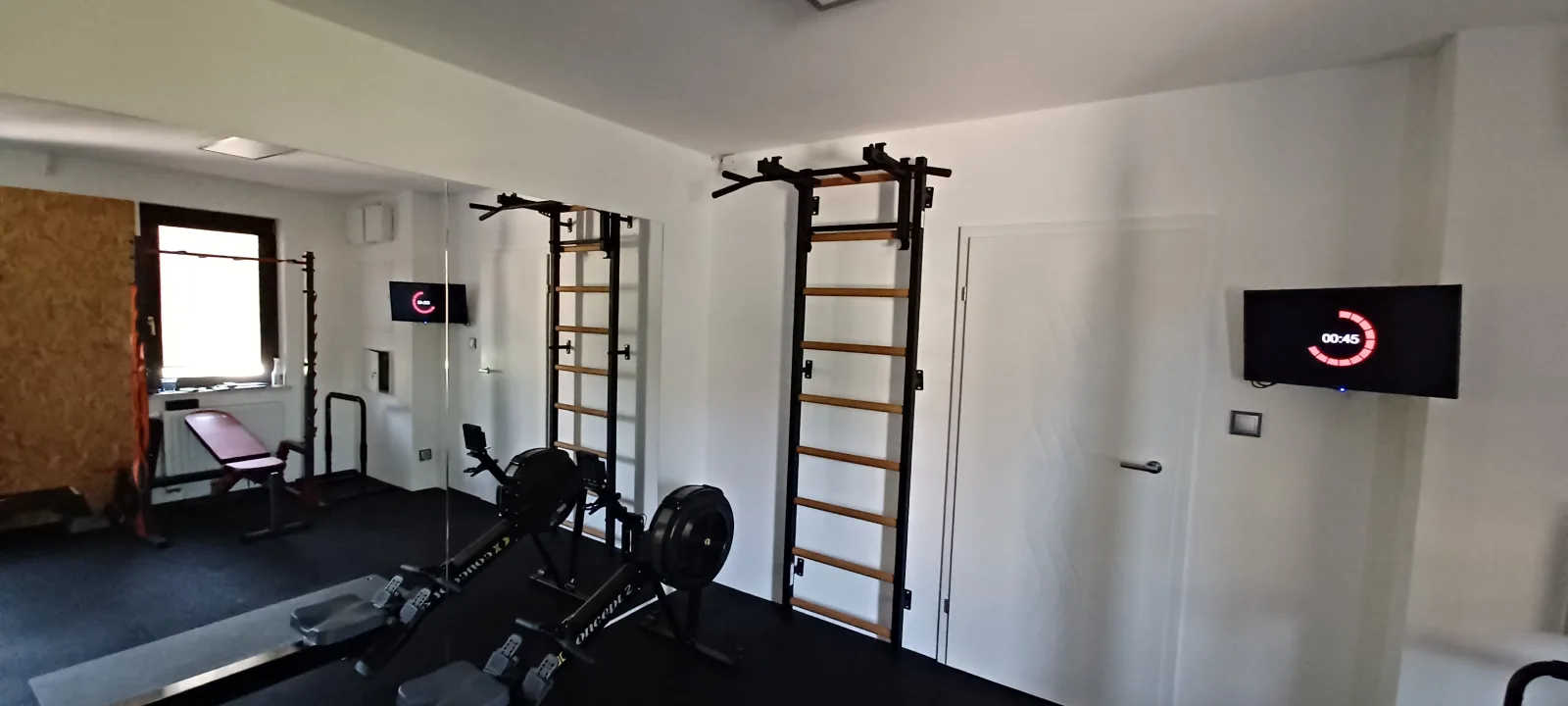
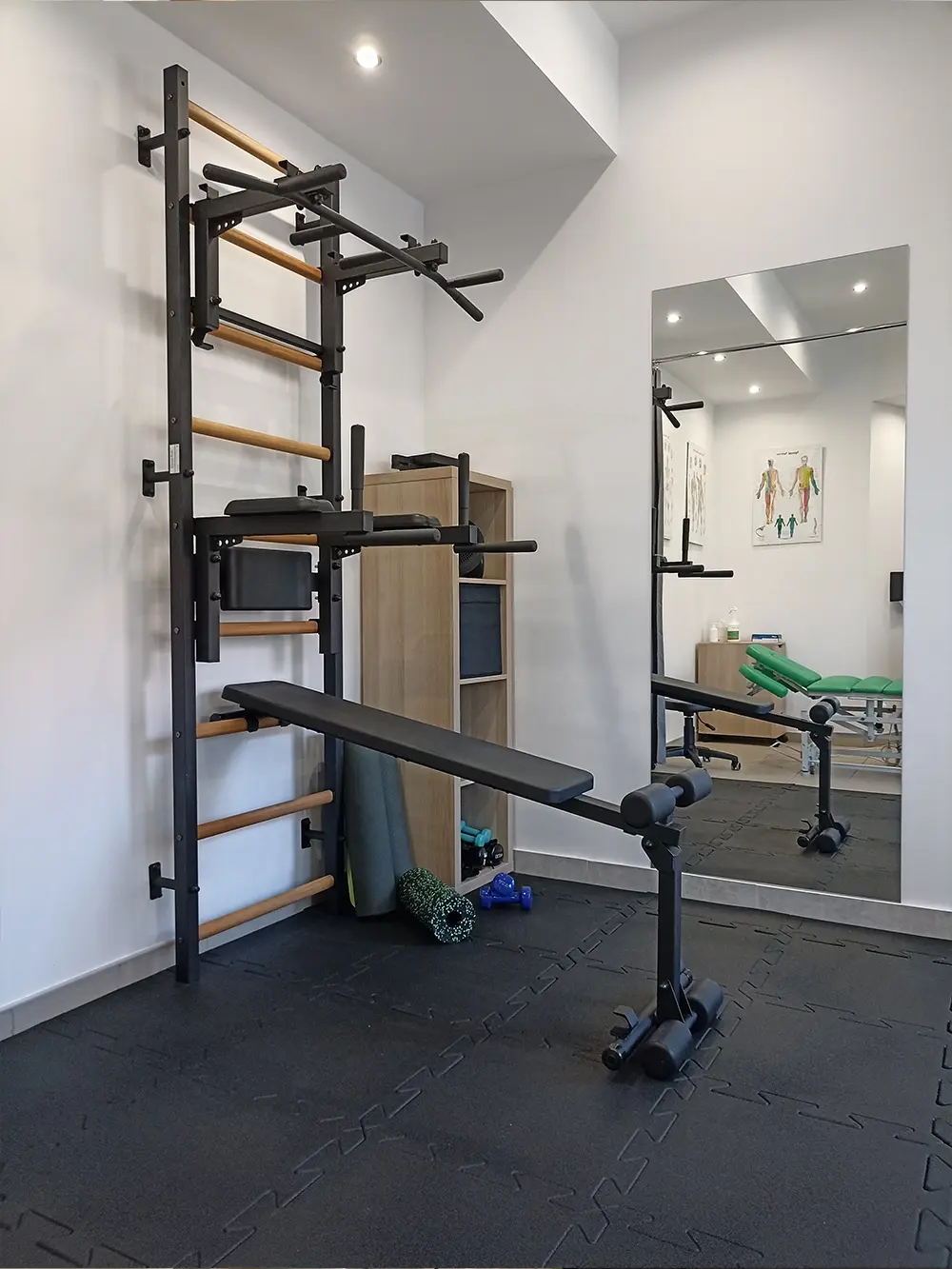
BenchK stall bars are in physical therapy clinics in the U.S., France and Poland. In the photo, the mirror behind the frame shows a treatment table.
Two numbers matter to a clinic buyer. Series 2 and 7 frames are rated for 330 lb (150 kg), one person at a time, and the 10-year warranty on the steel covers commercial use as well as homes.
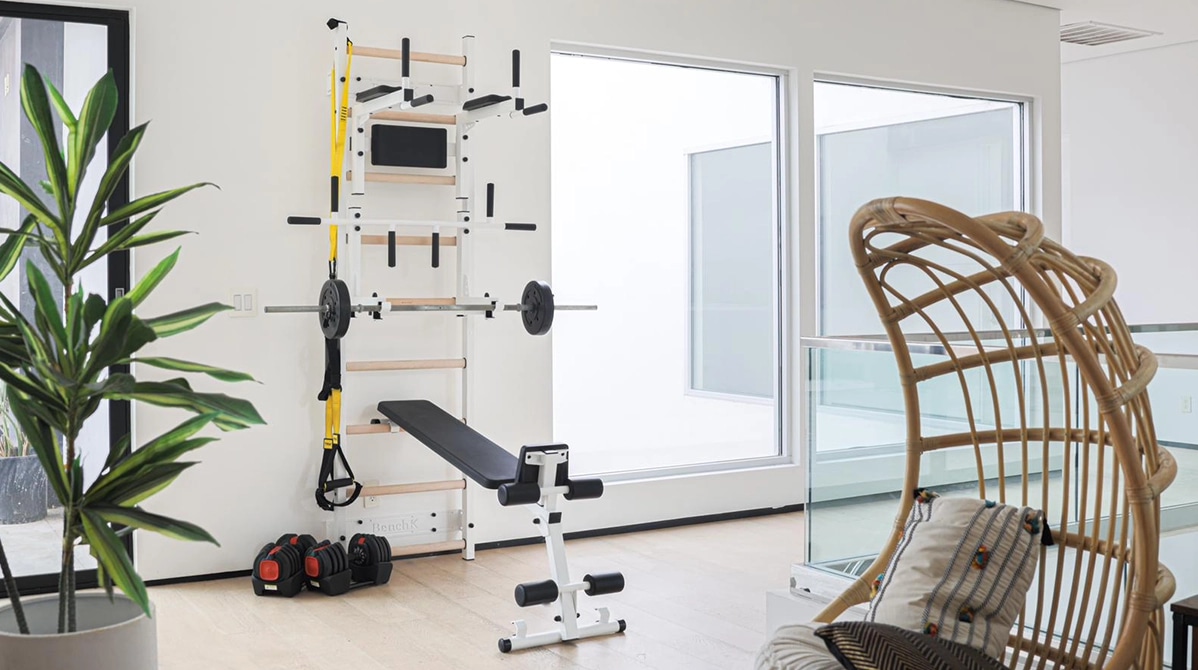
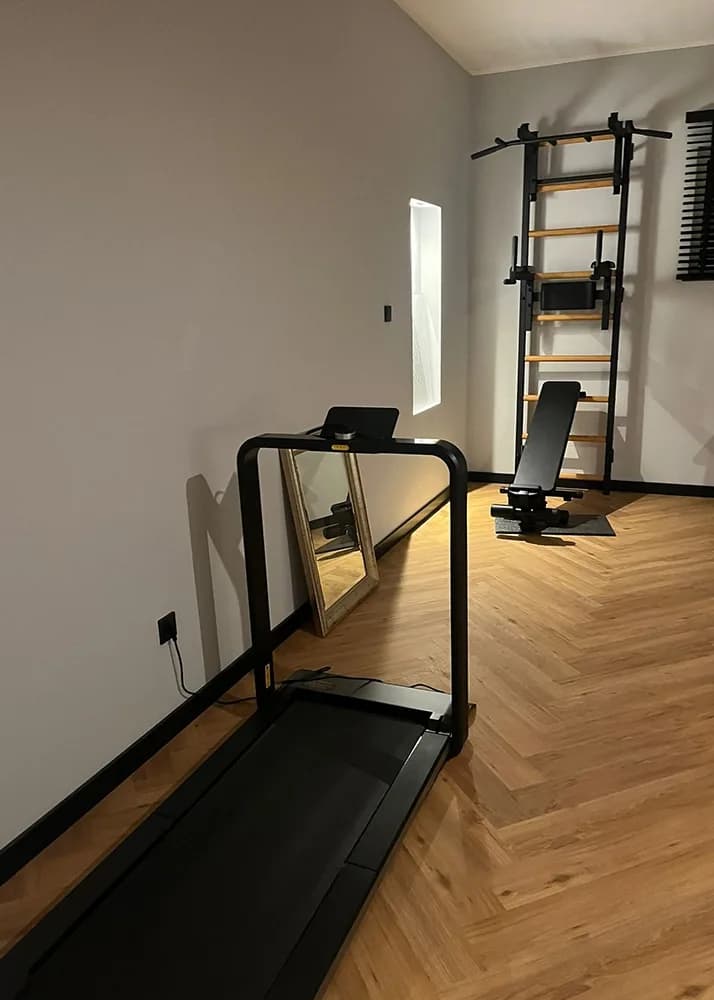
Can stall bars be your home gym?
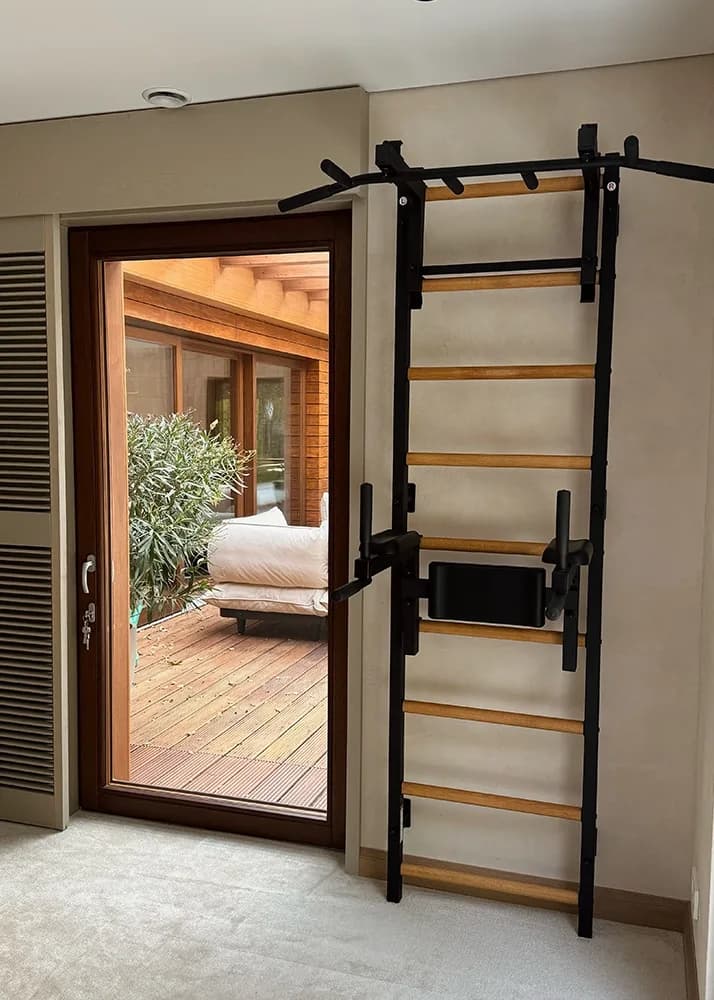
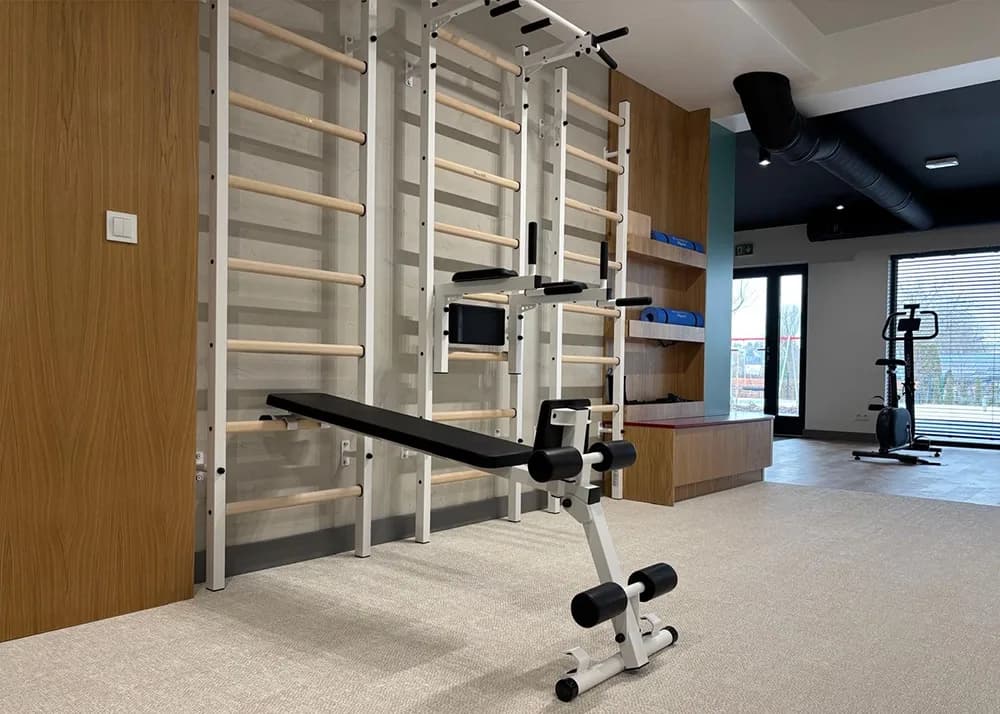
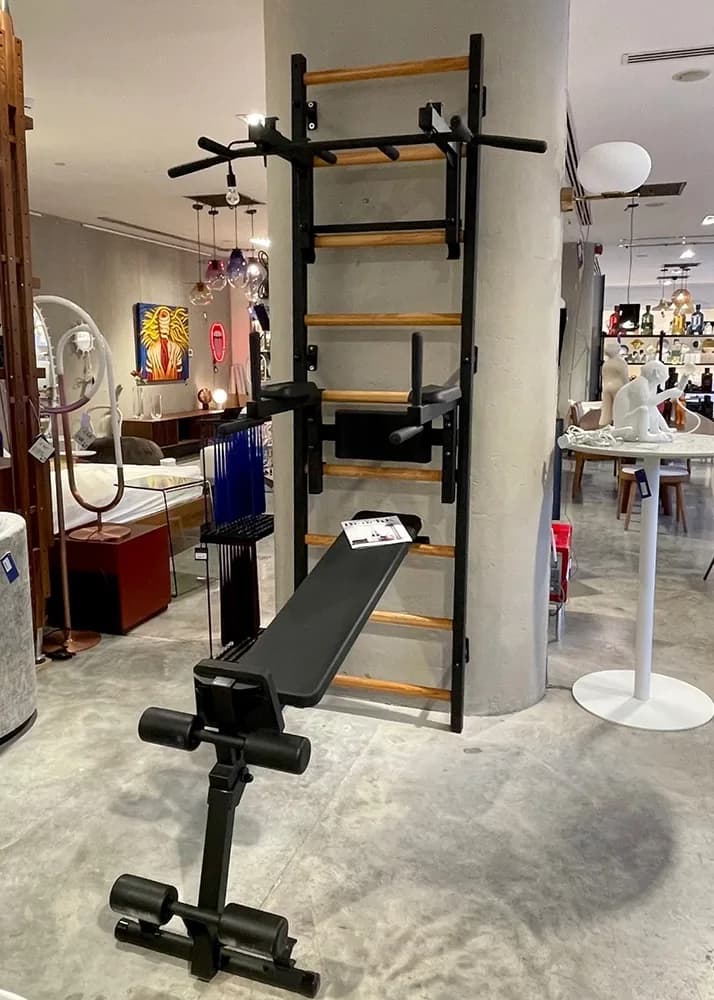
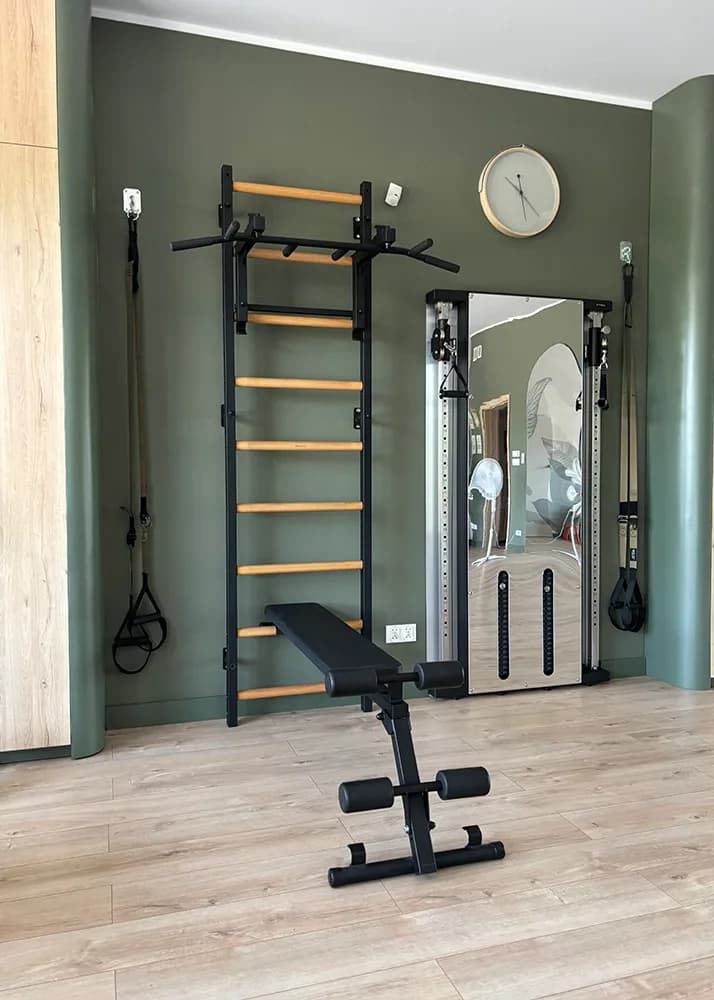
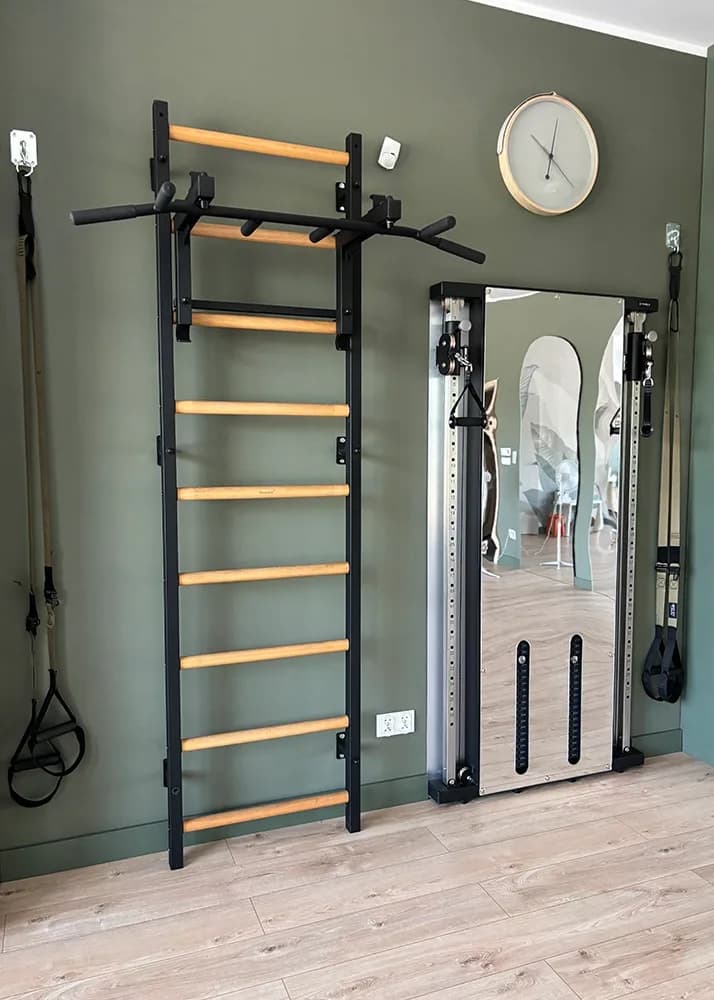
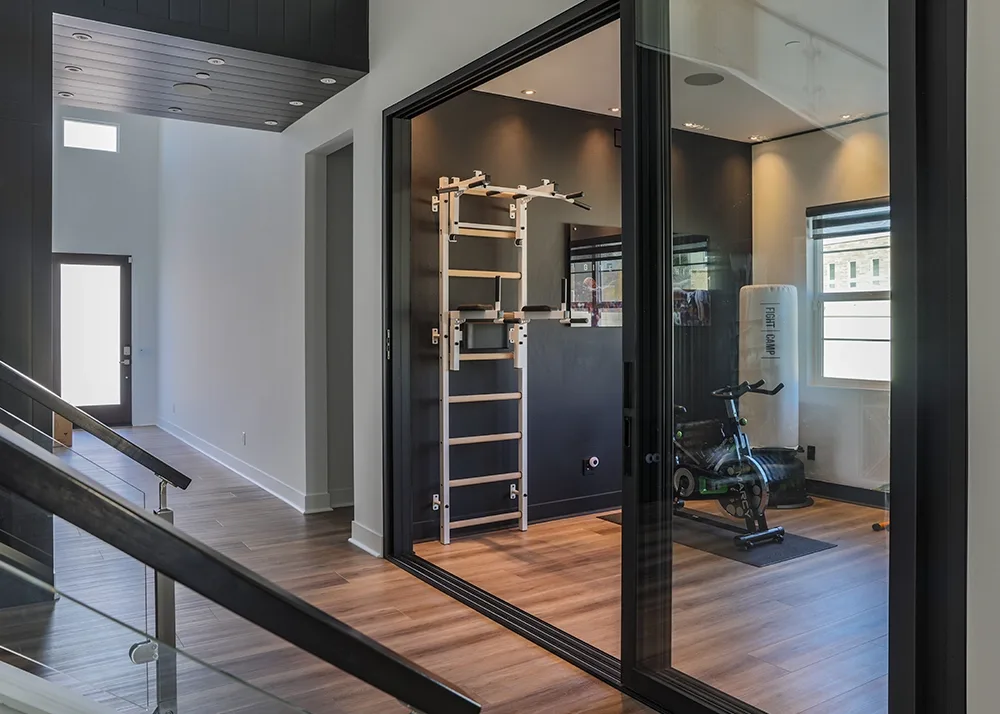
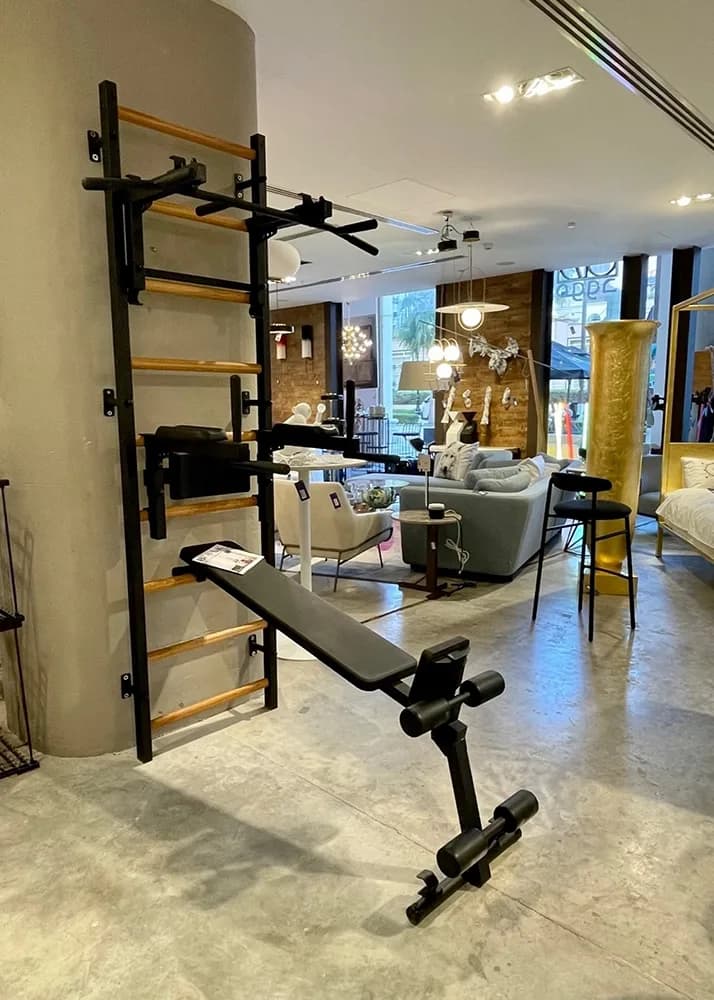
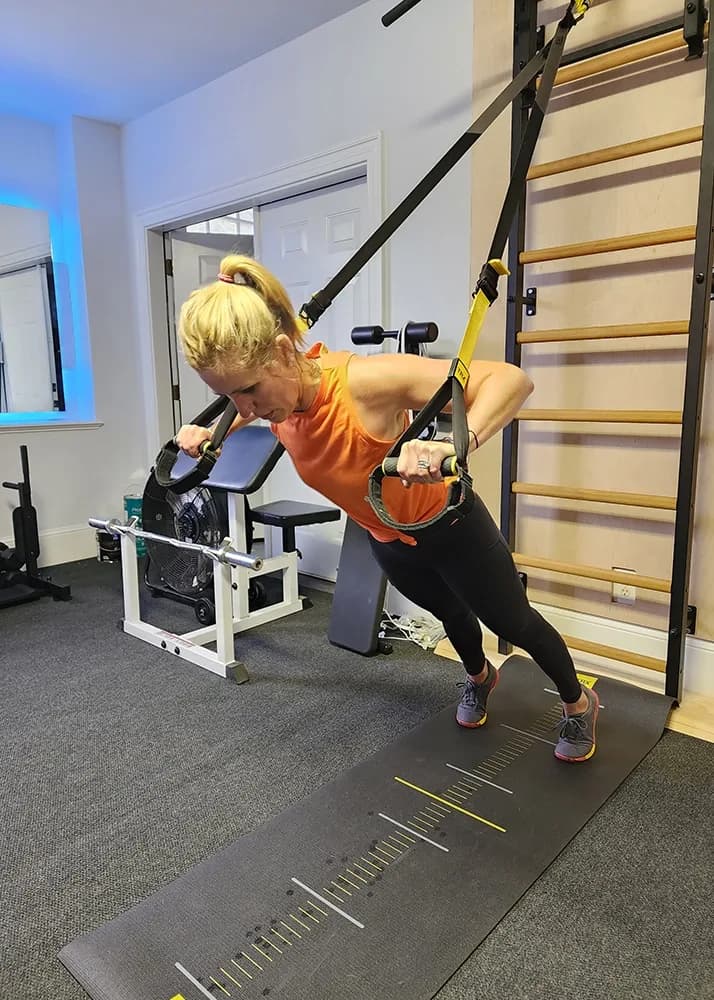
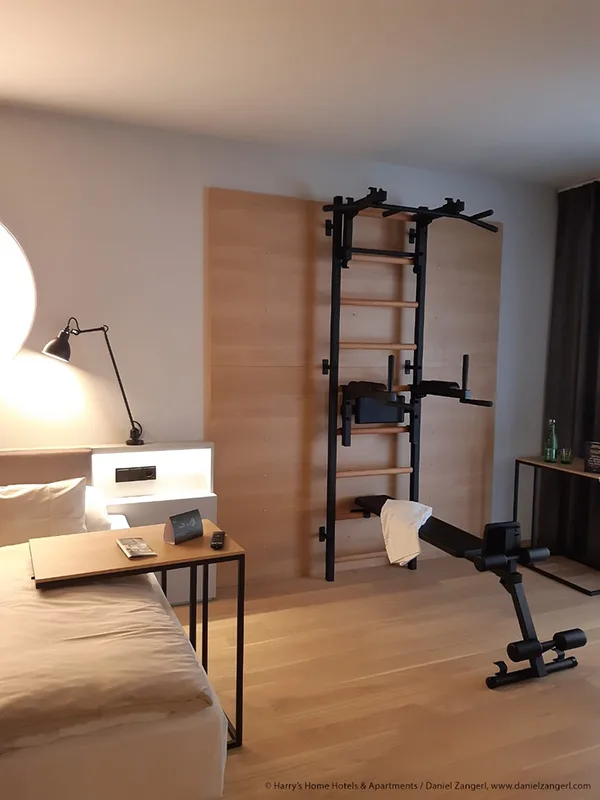
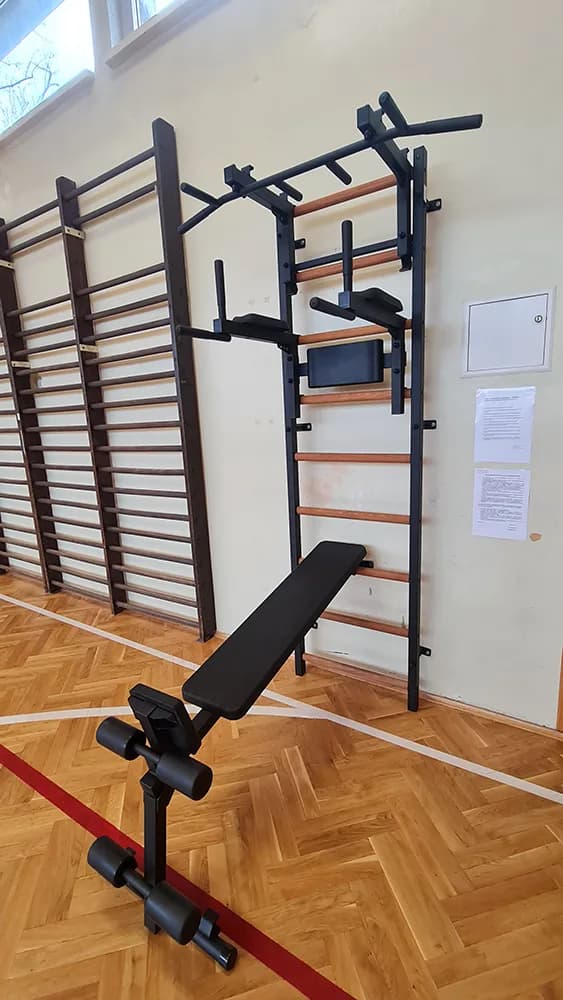
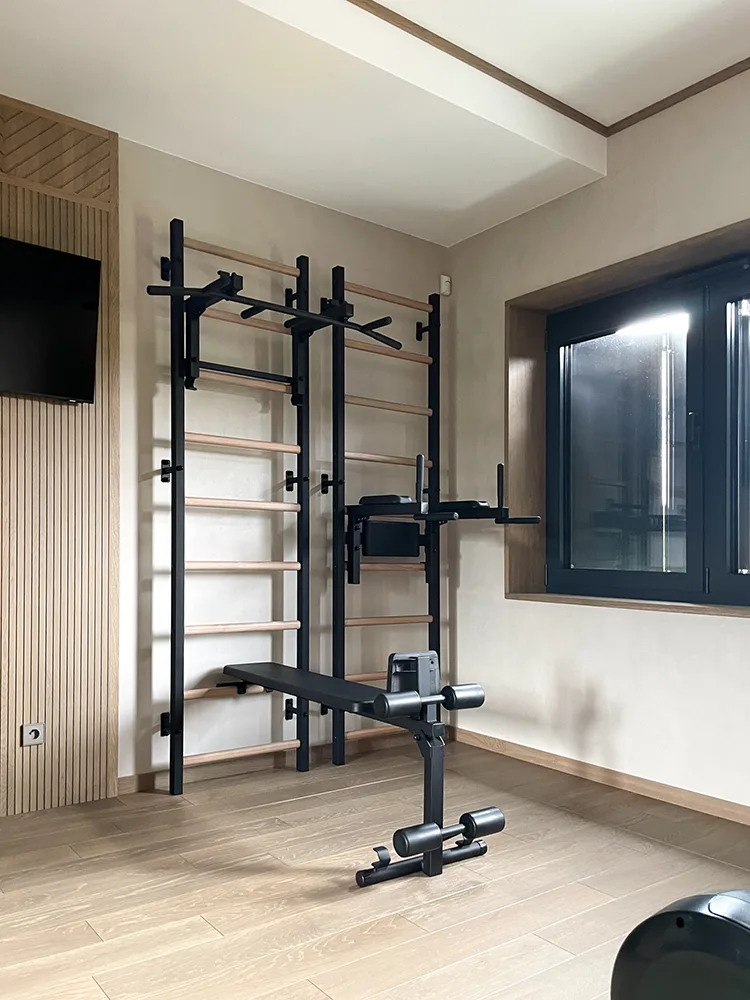
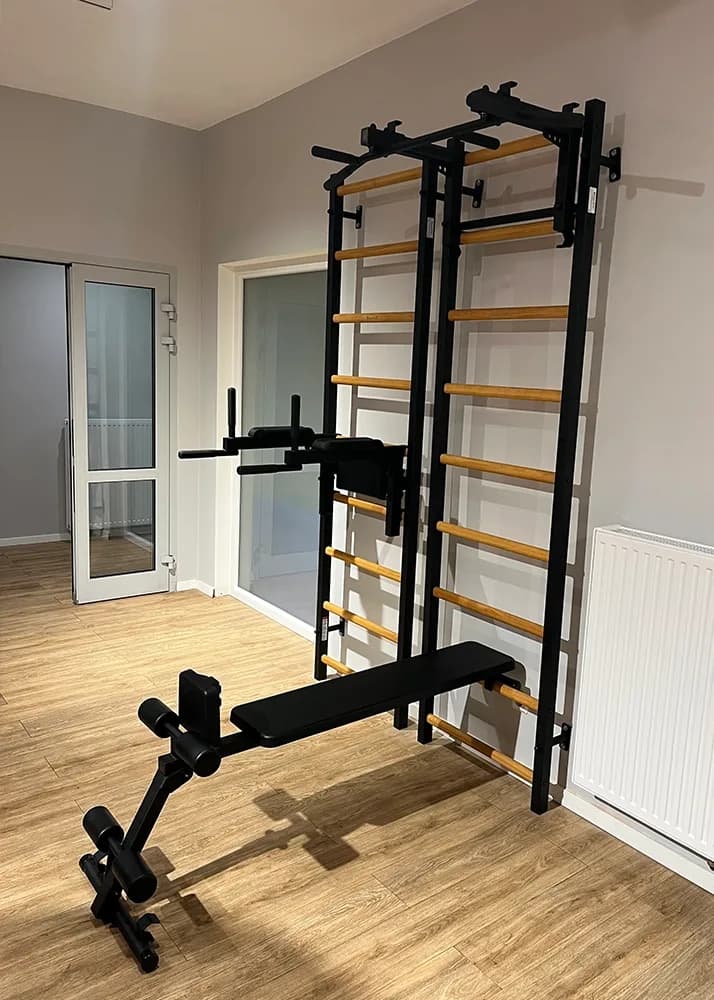
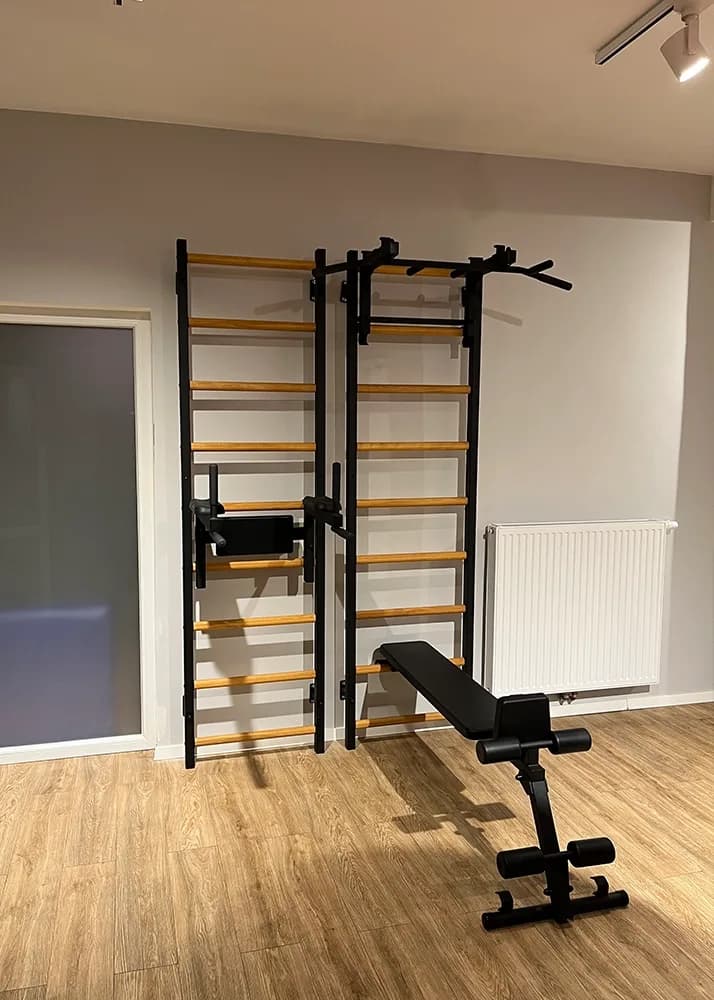
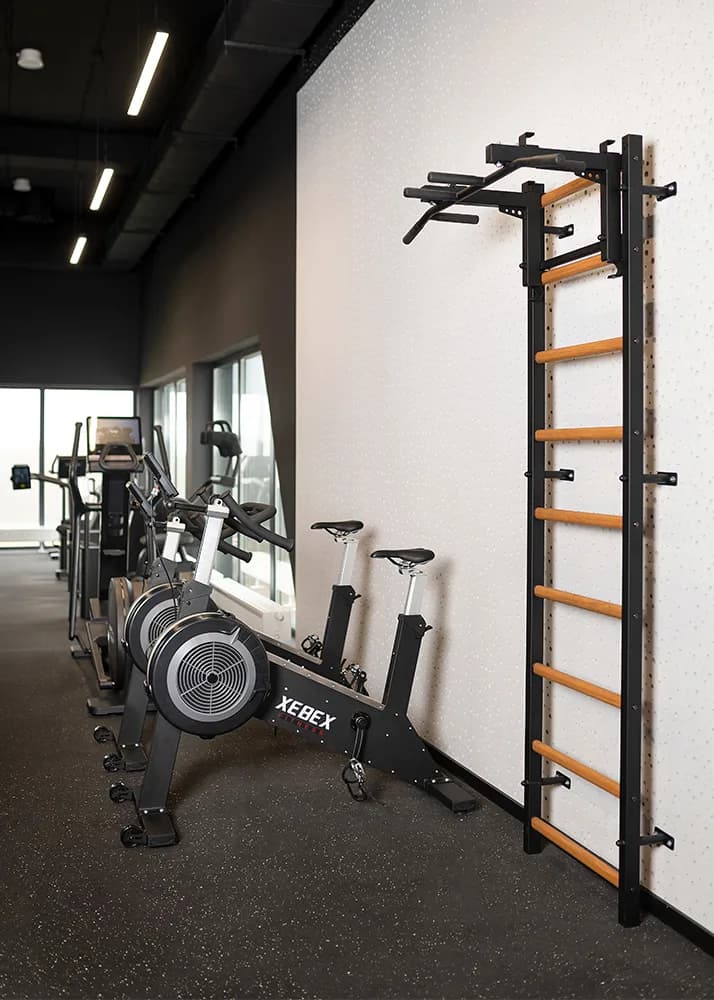
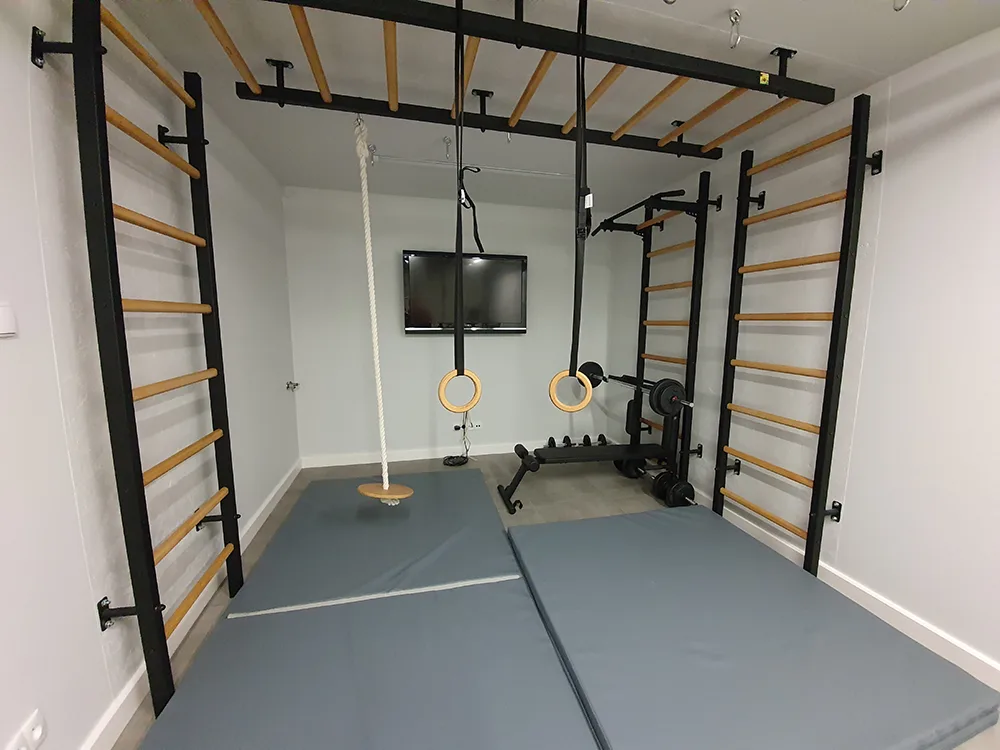
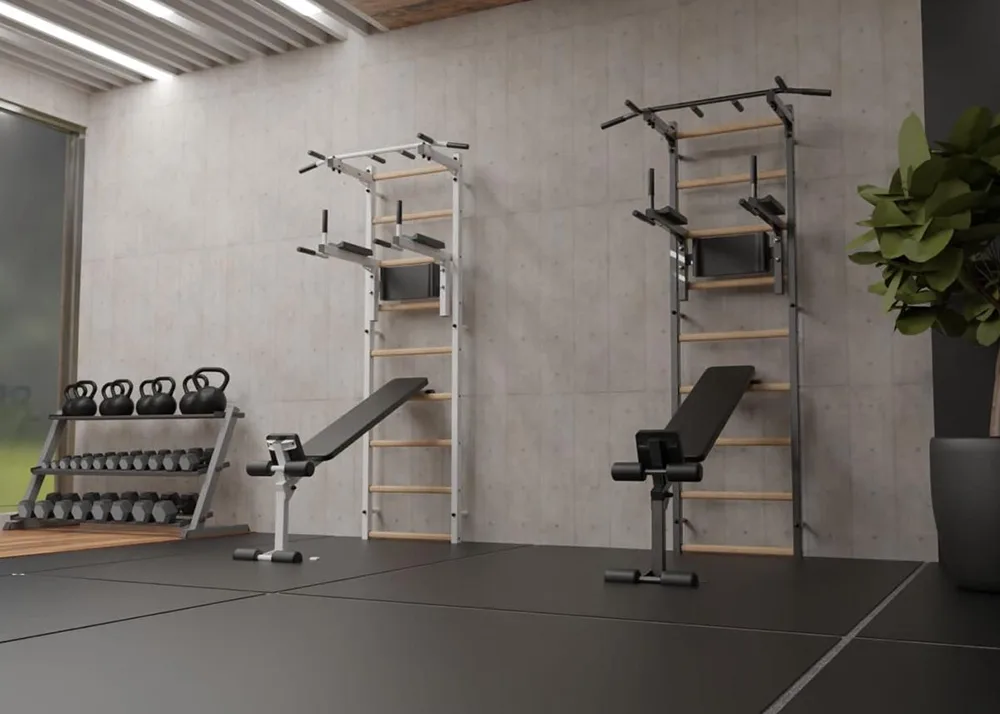
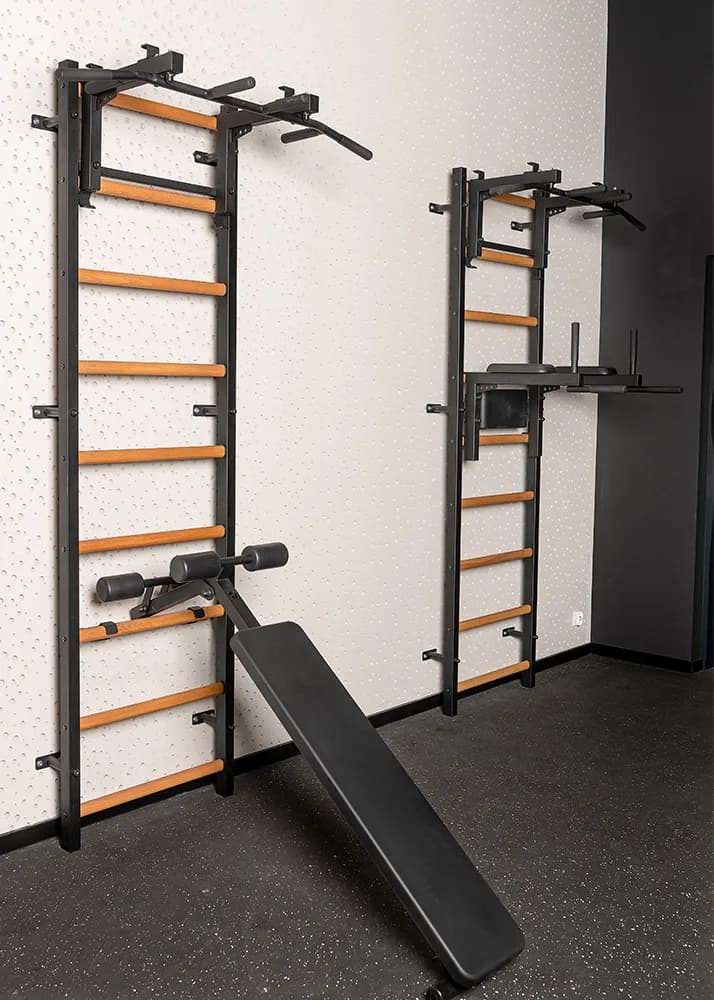
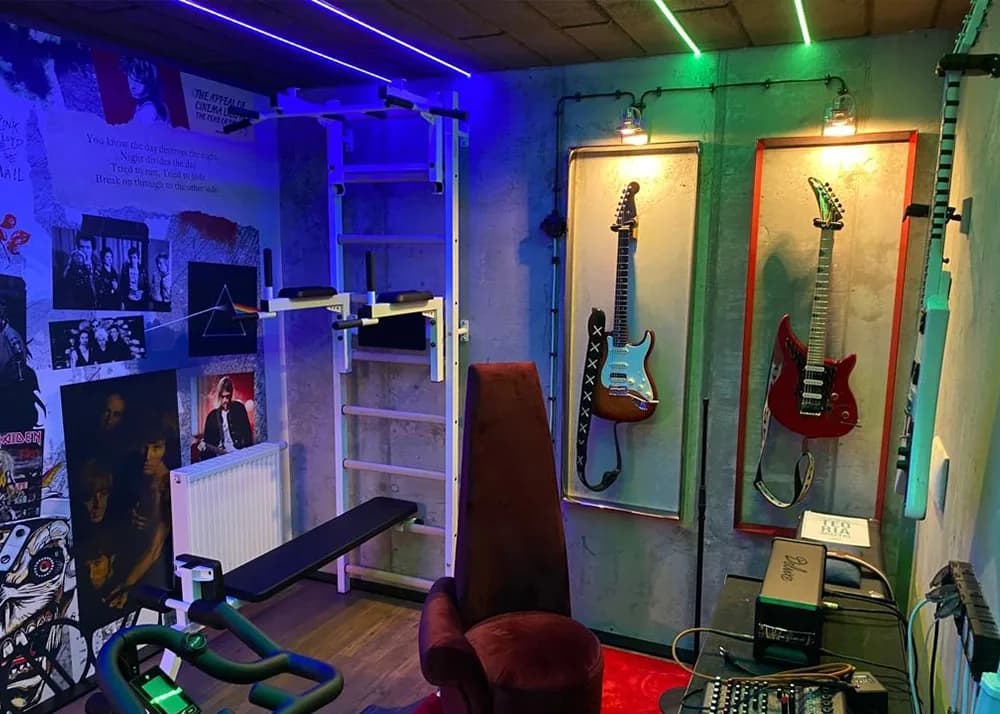
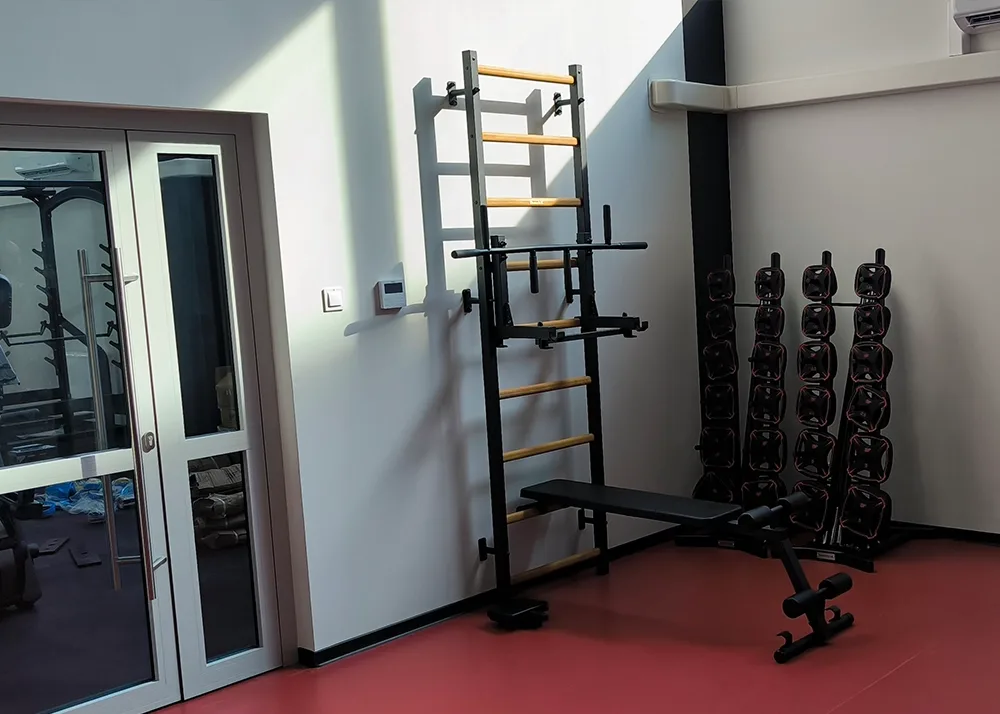
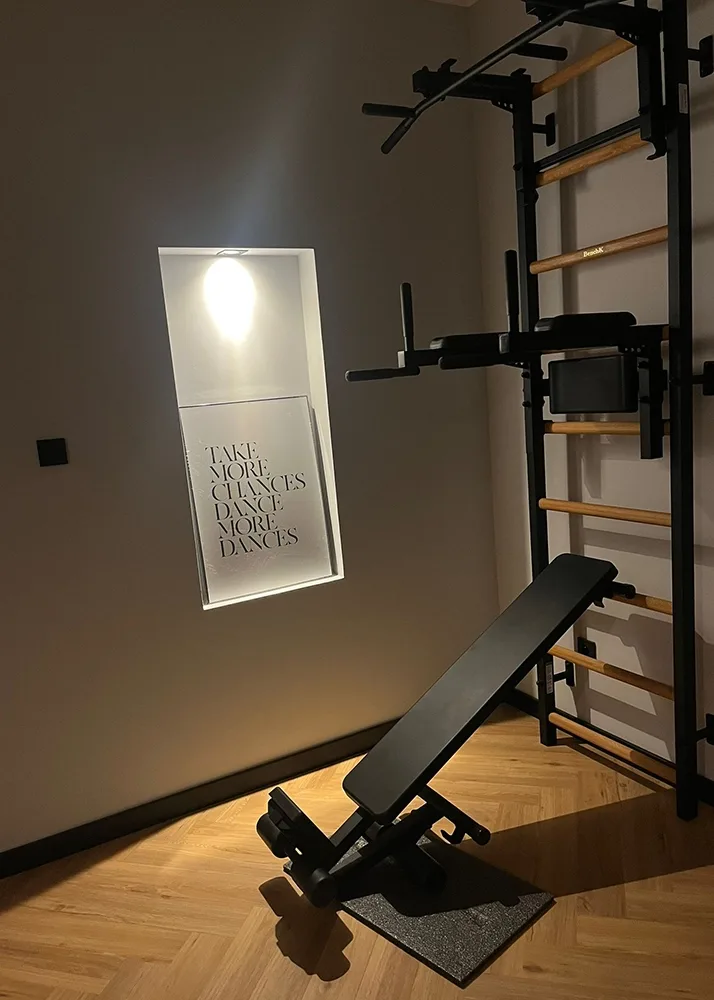
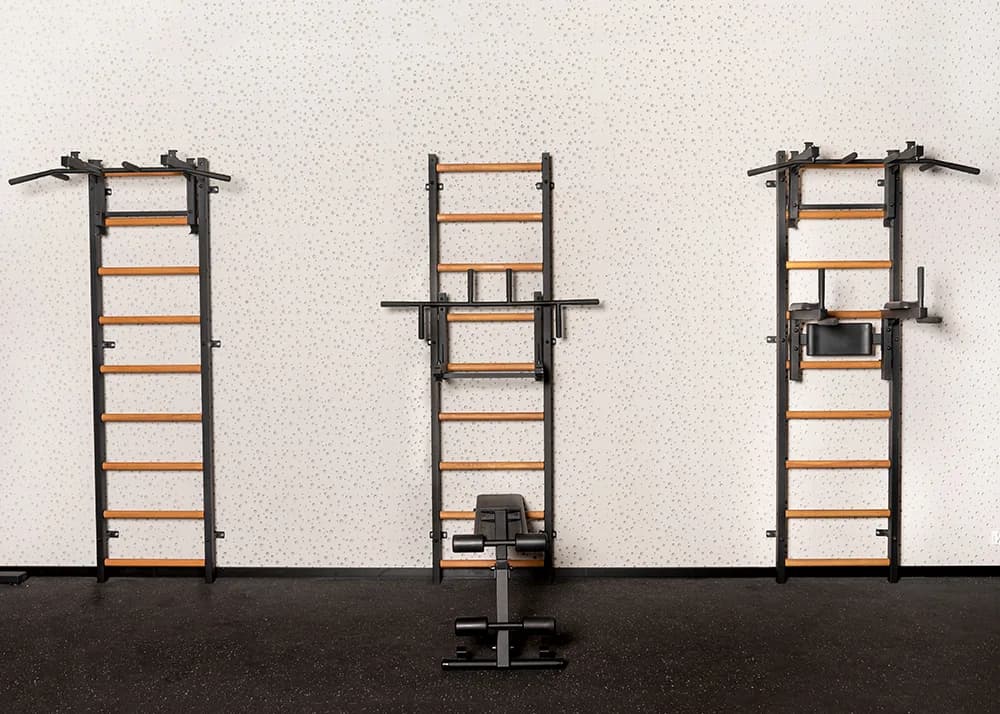
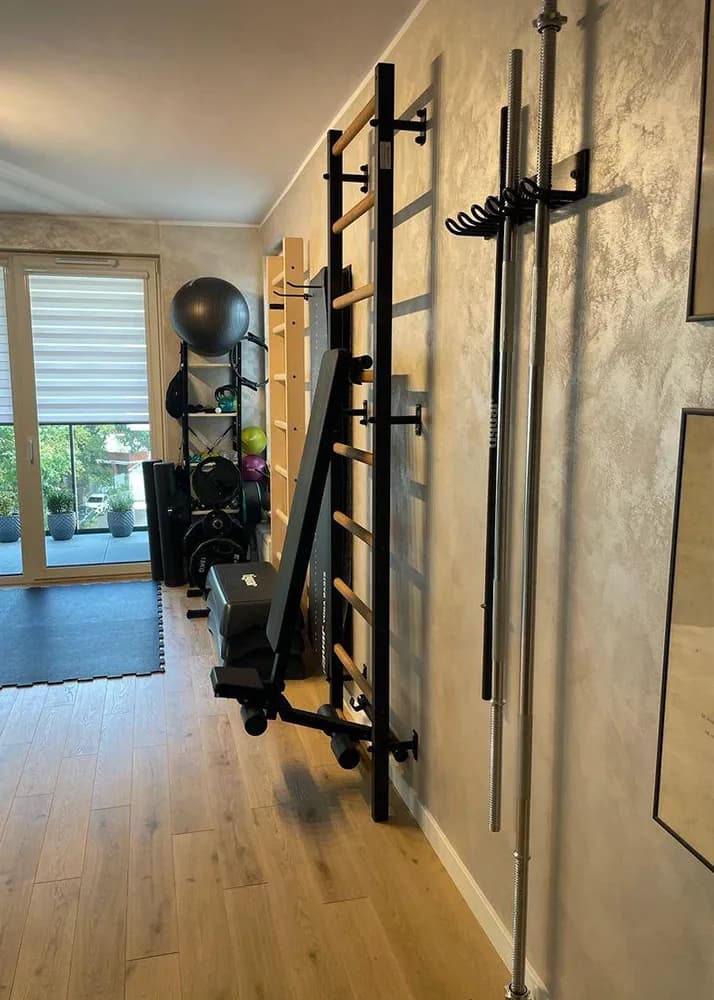
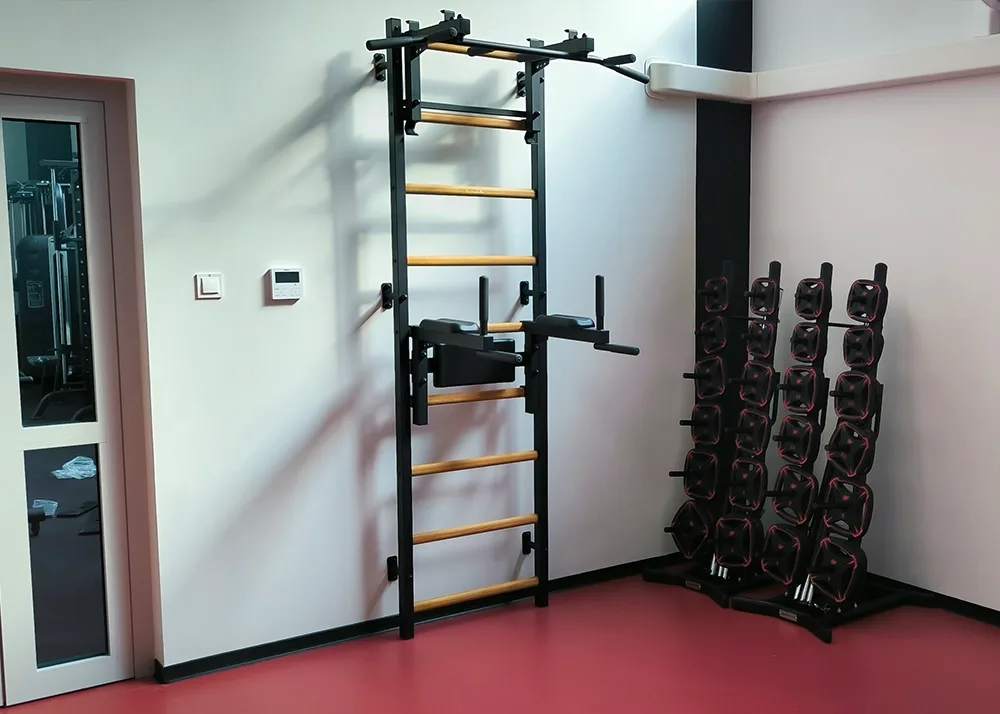
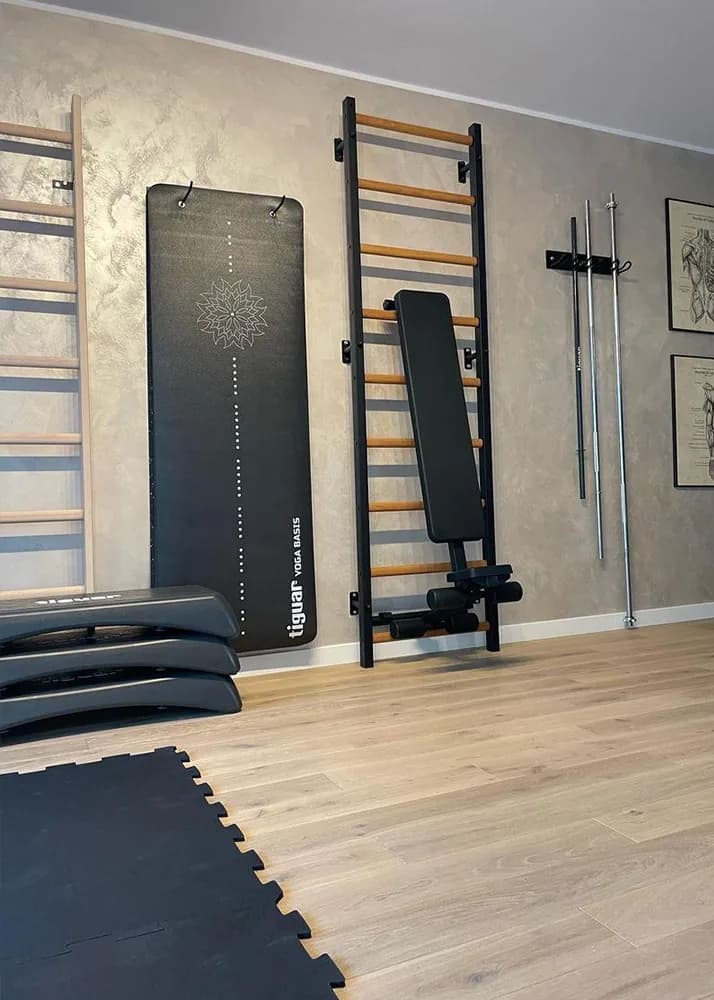
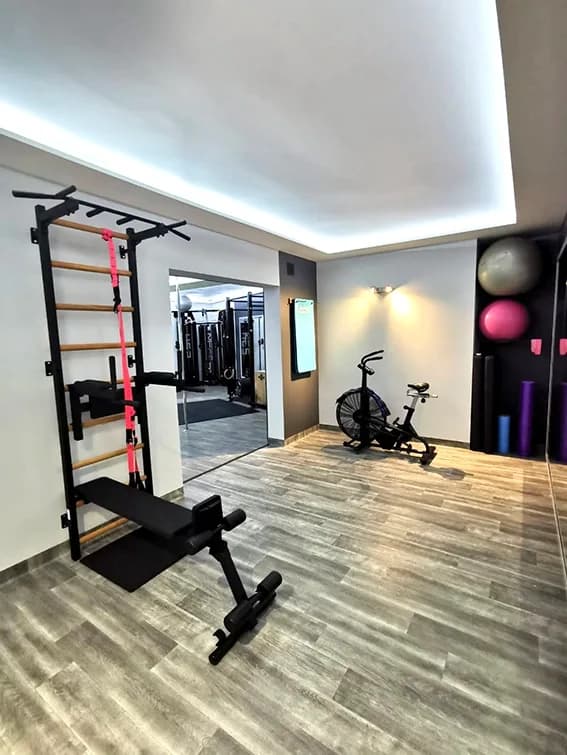
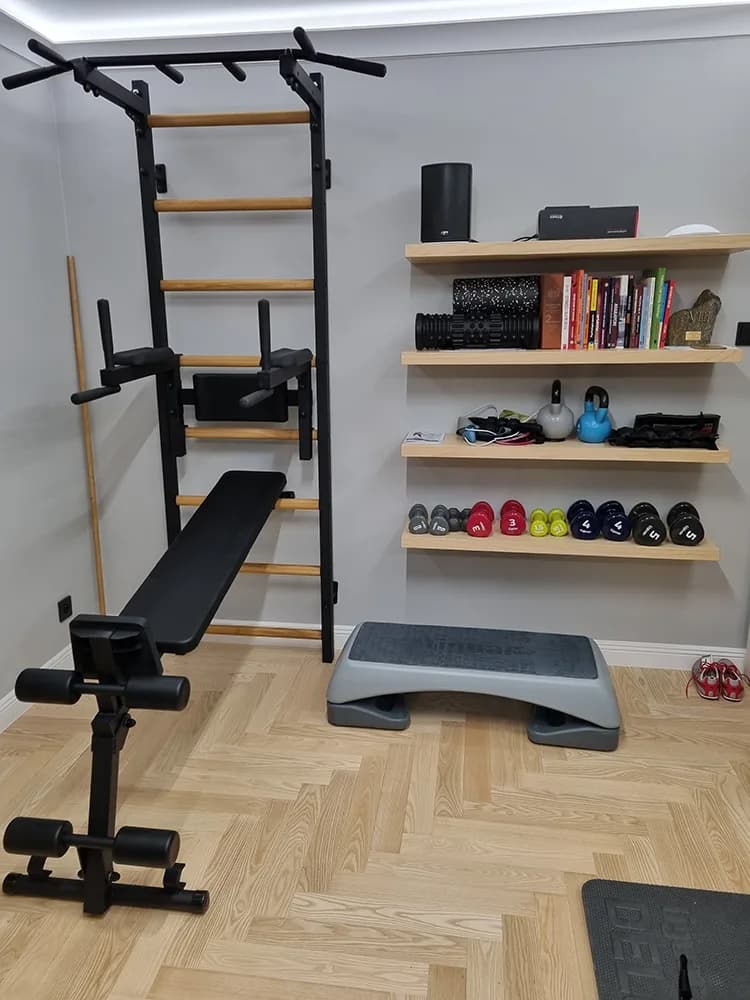
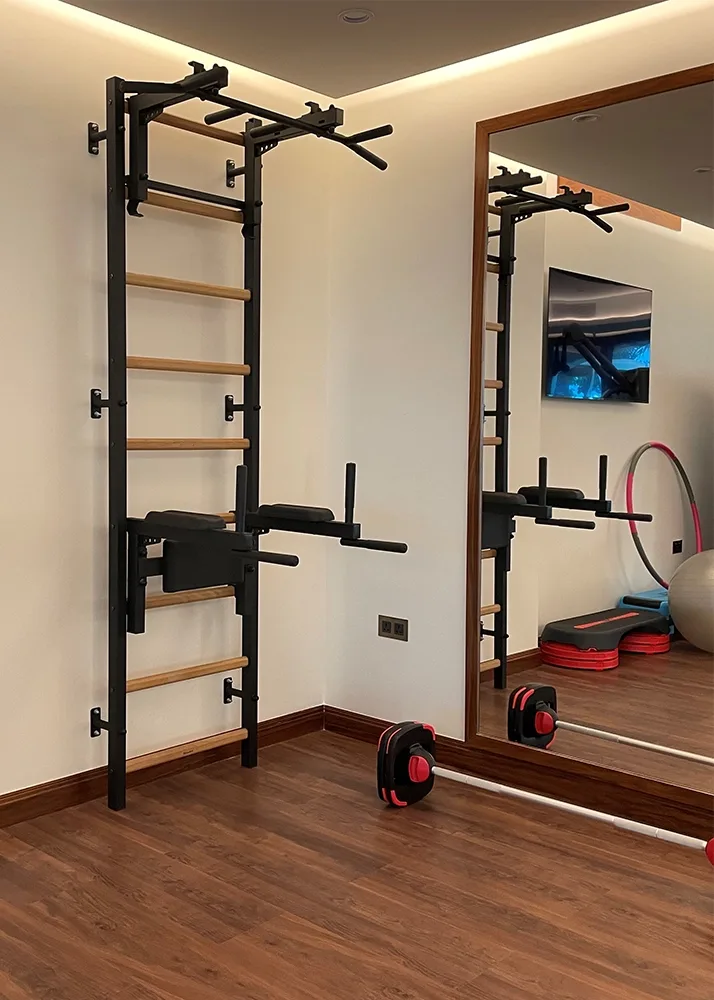
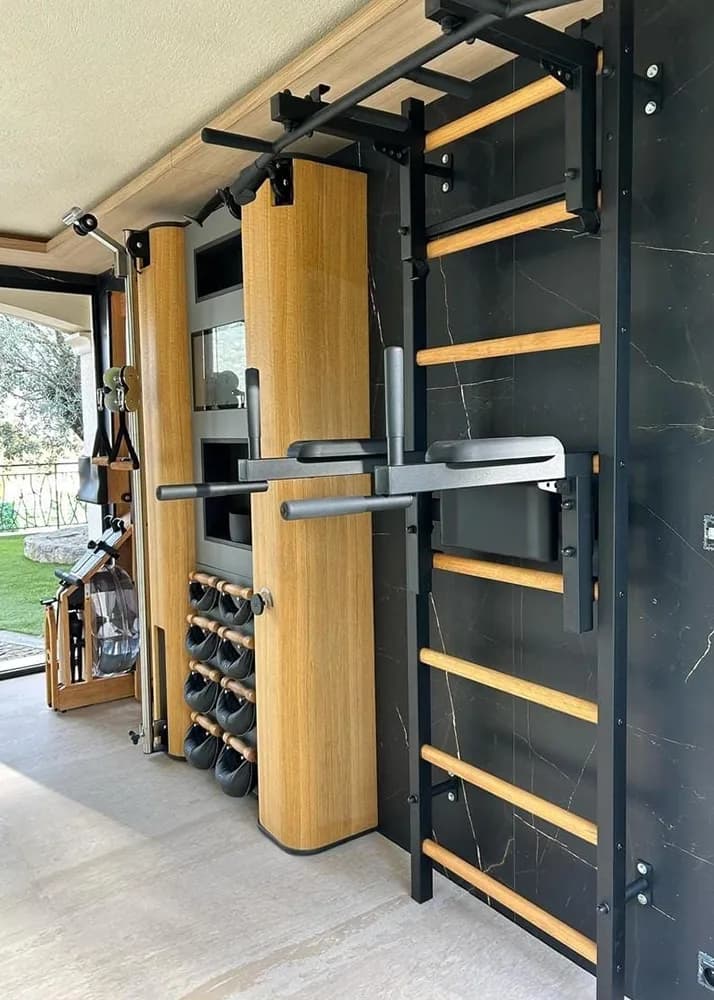
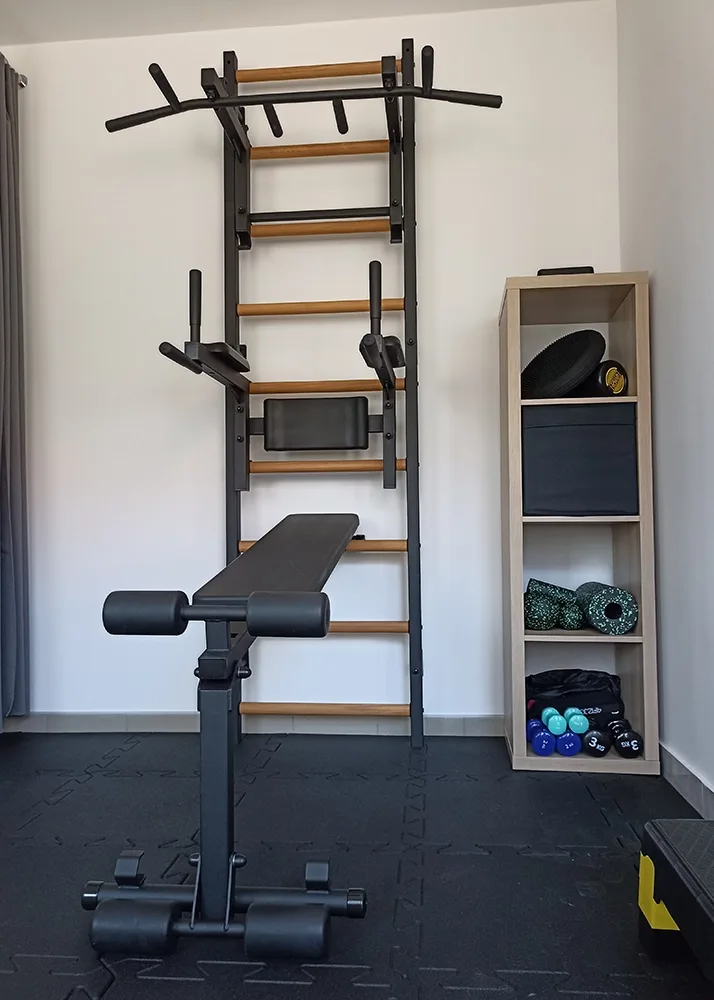
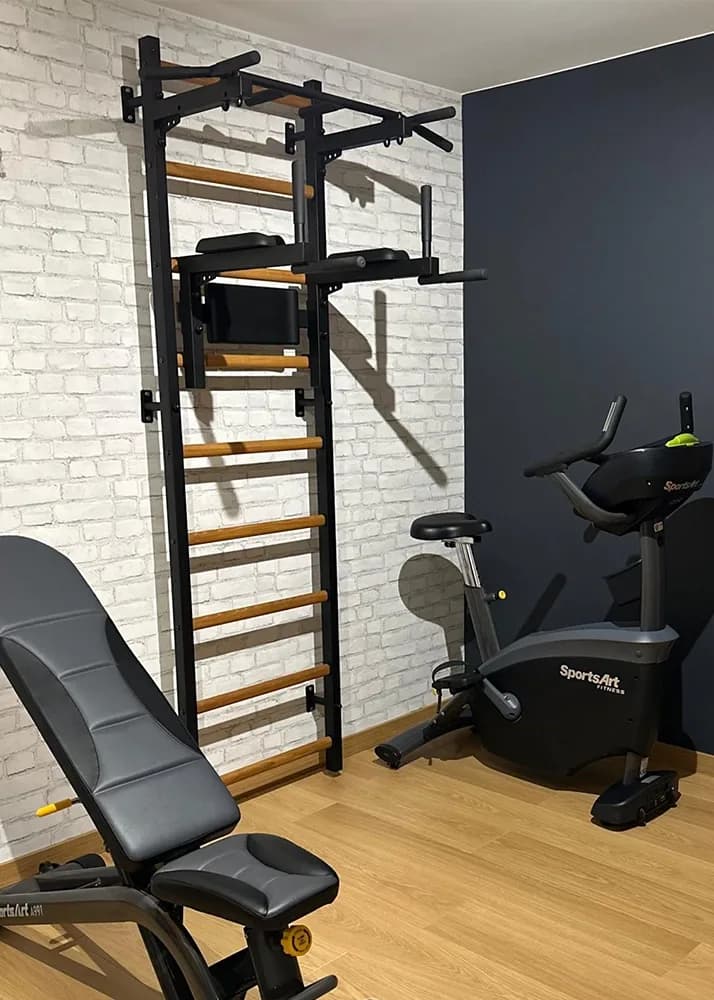
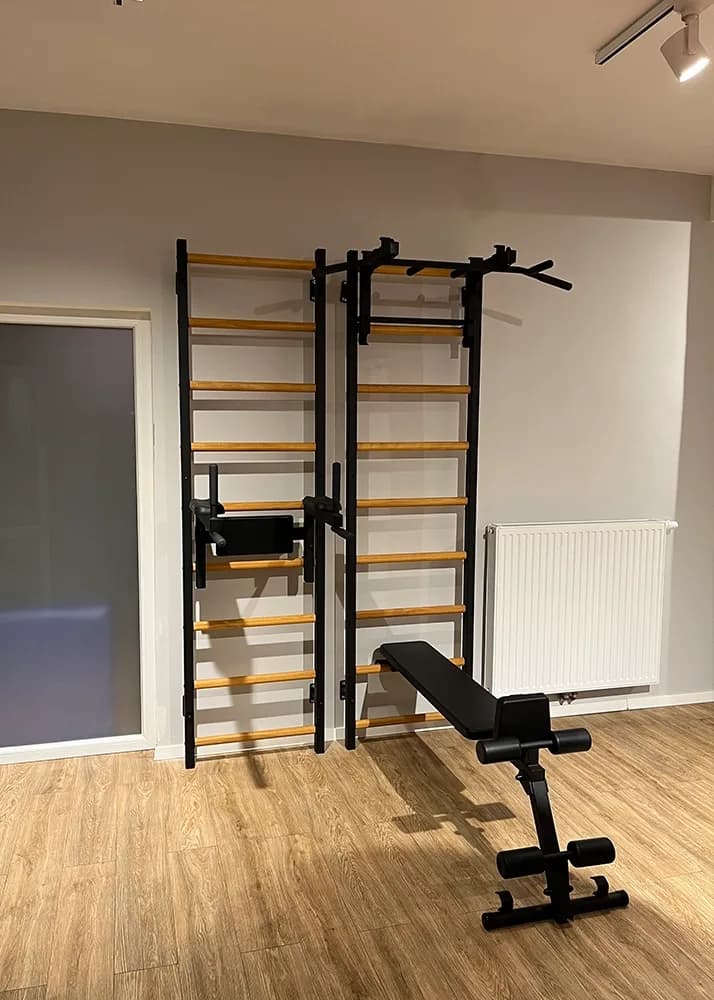
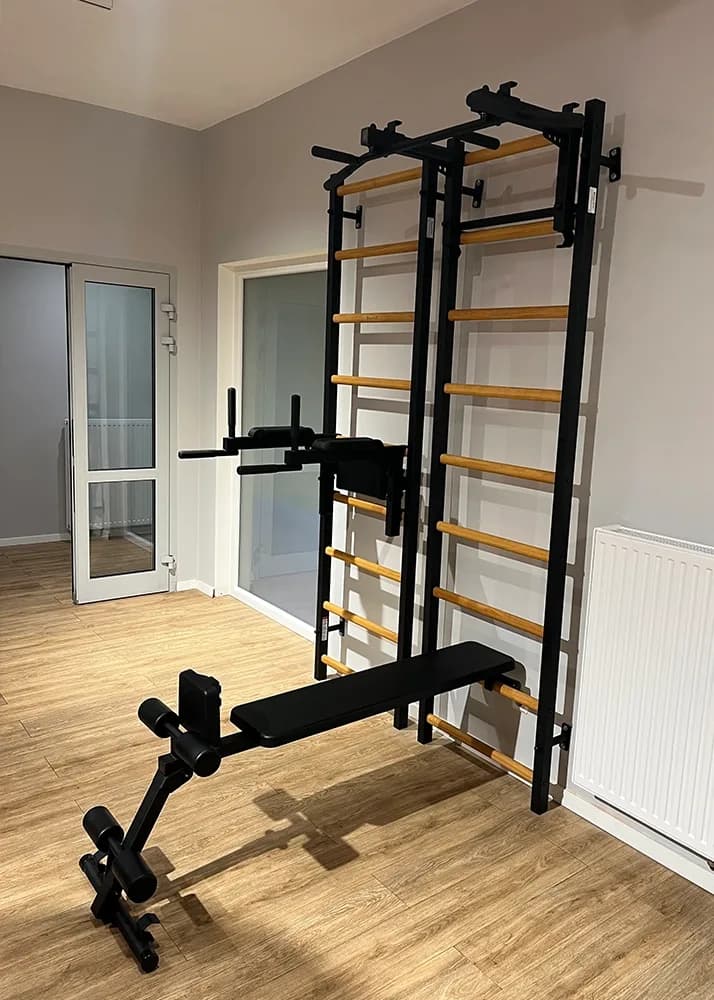
On a Series 2 or Series 7 stall bar, a big part of one. Both carry steel pull-up bars, the DB1 dip station and the B1 bench on their rungs, and one adult can lift each attachment off again. With everything off, you are back to plain rungs for stretching and hanging.
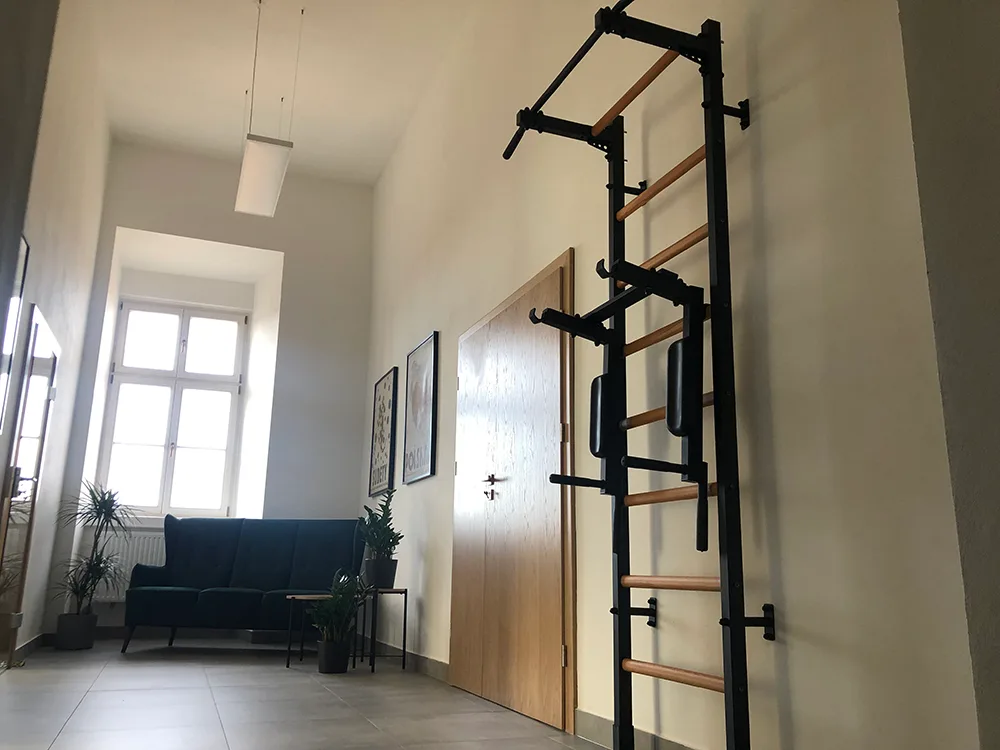
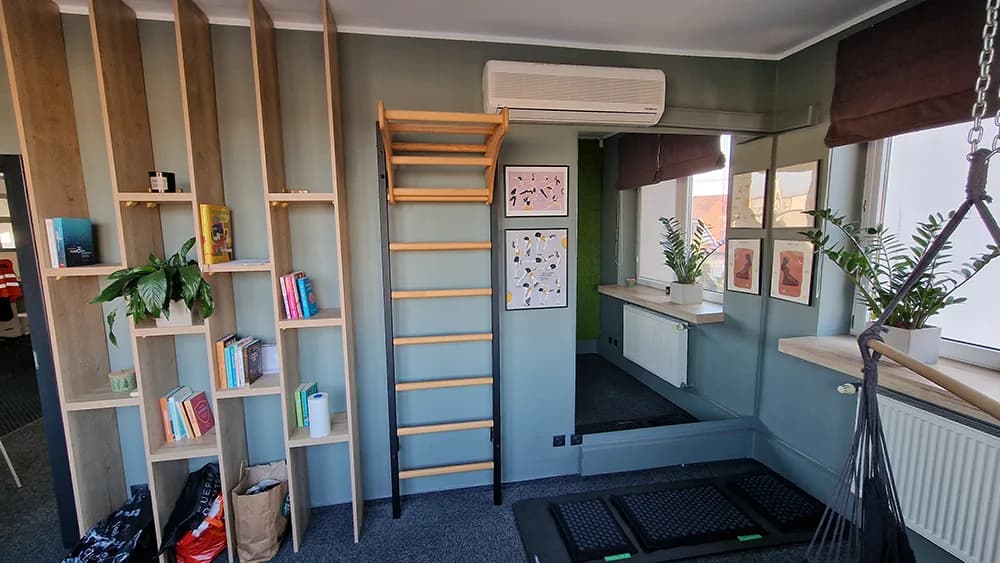
If you are working through a physical therapy program, a frame at home gives you the same kind of fixed holds. In a Dutch study of 222 physical therapists and 1,681 of their patients, the barriers patients ran into had the strongest link with skipped exercises (Sluijs et al., Physical Therapy, 1993). A frame in your own hallway takes one barrier away. Ask your therapist which exercises and rungs to use.
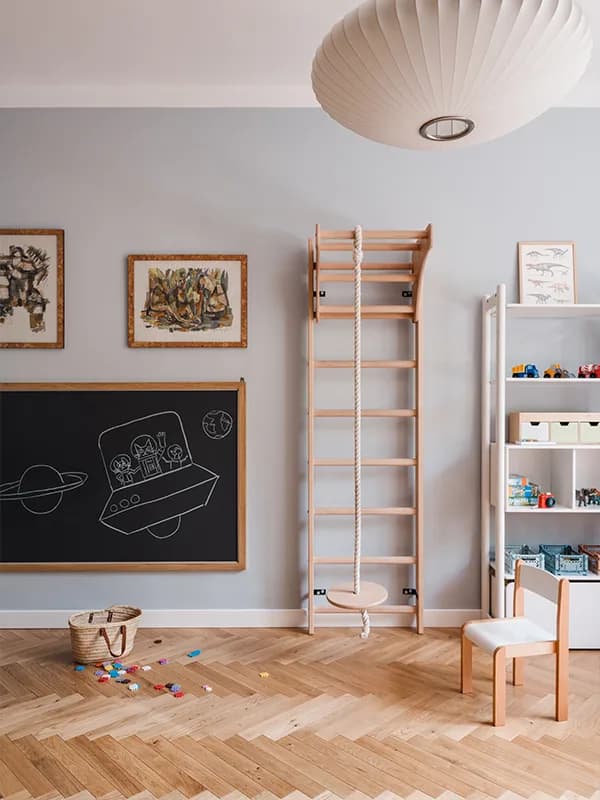
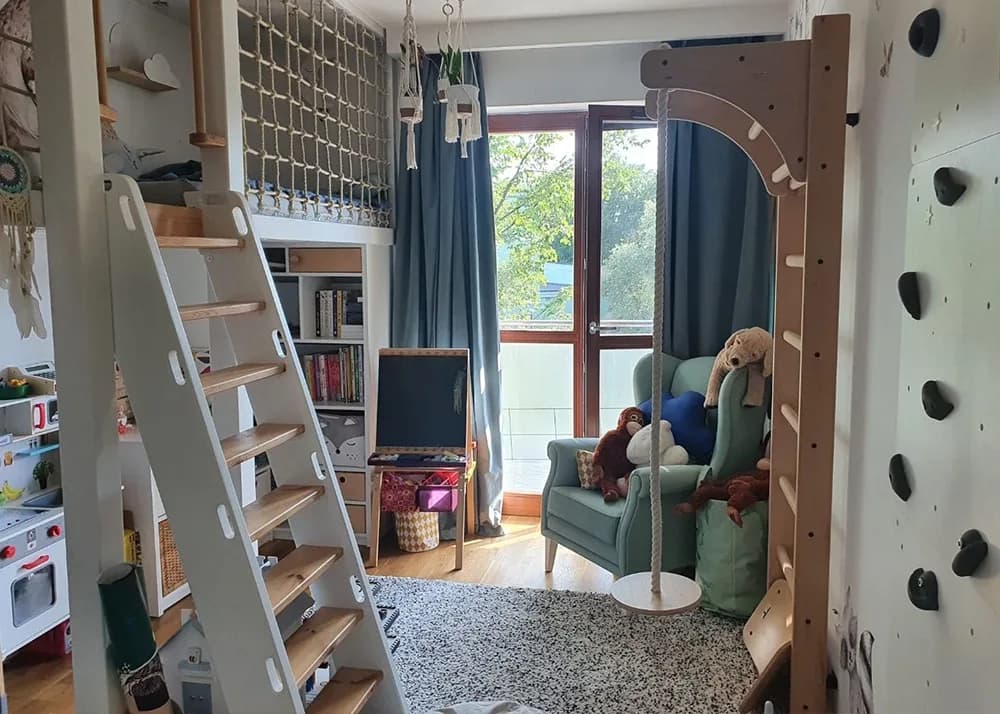
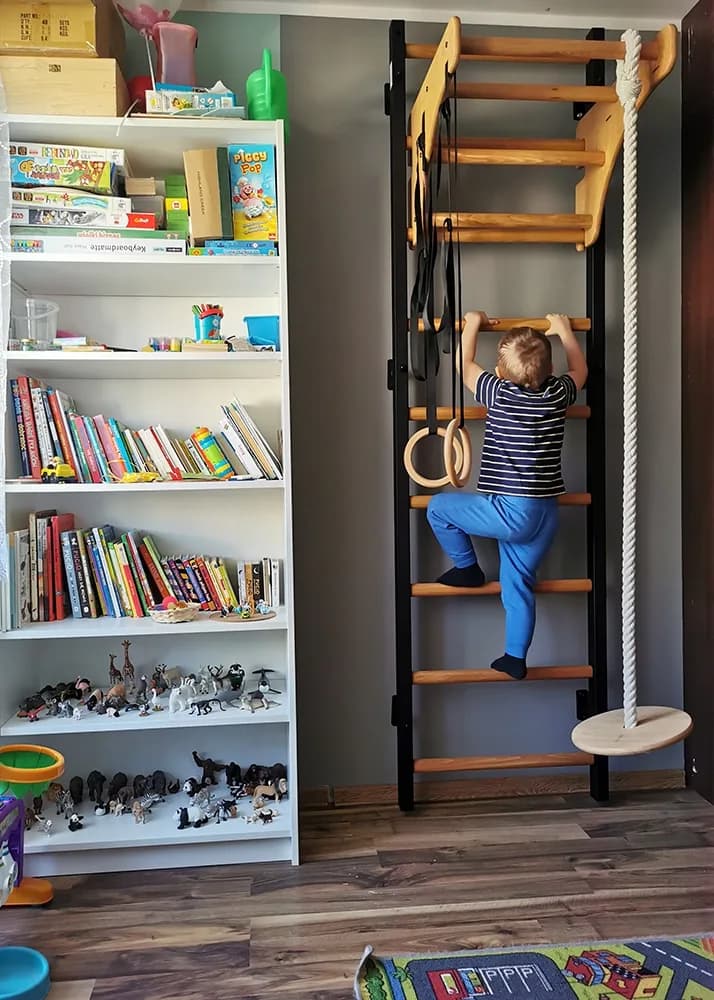
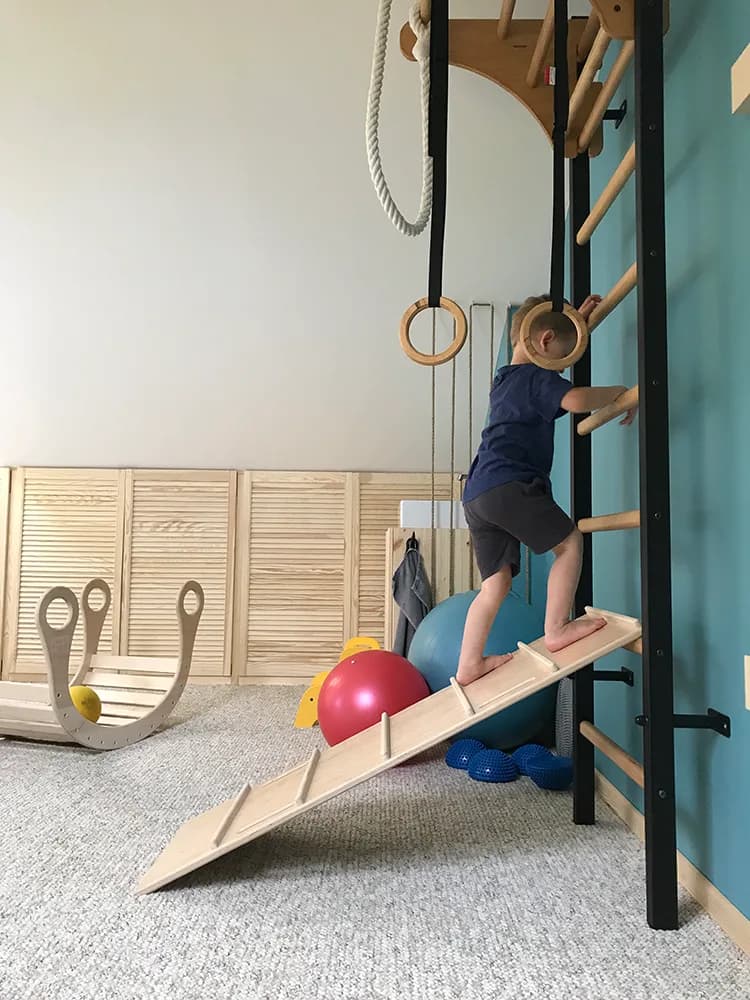
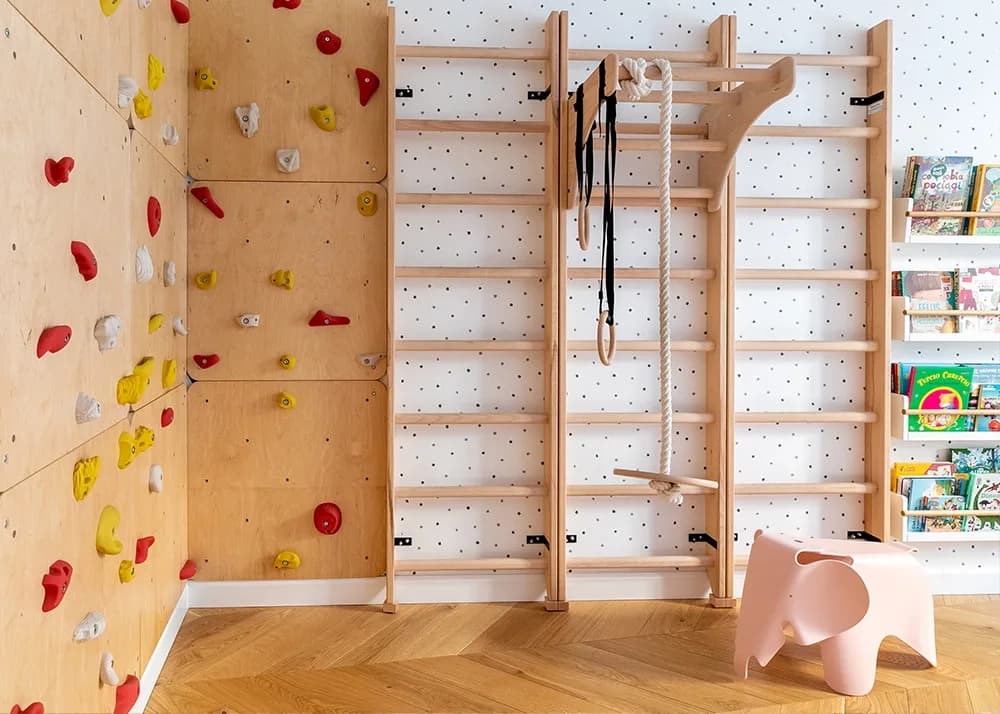
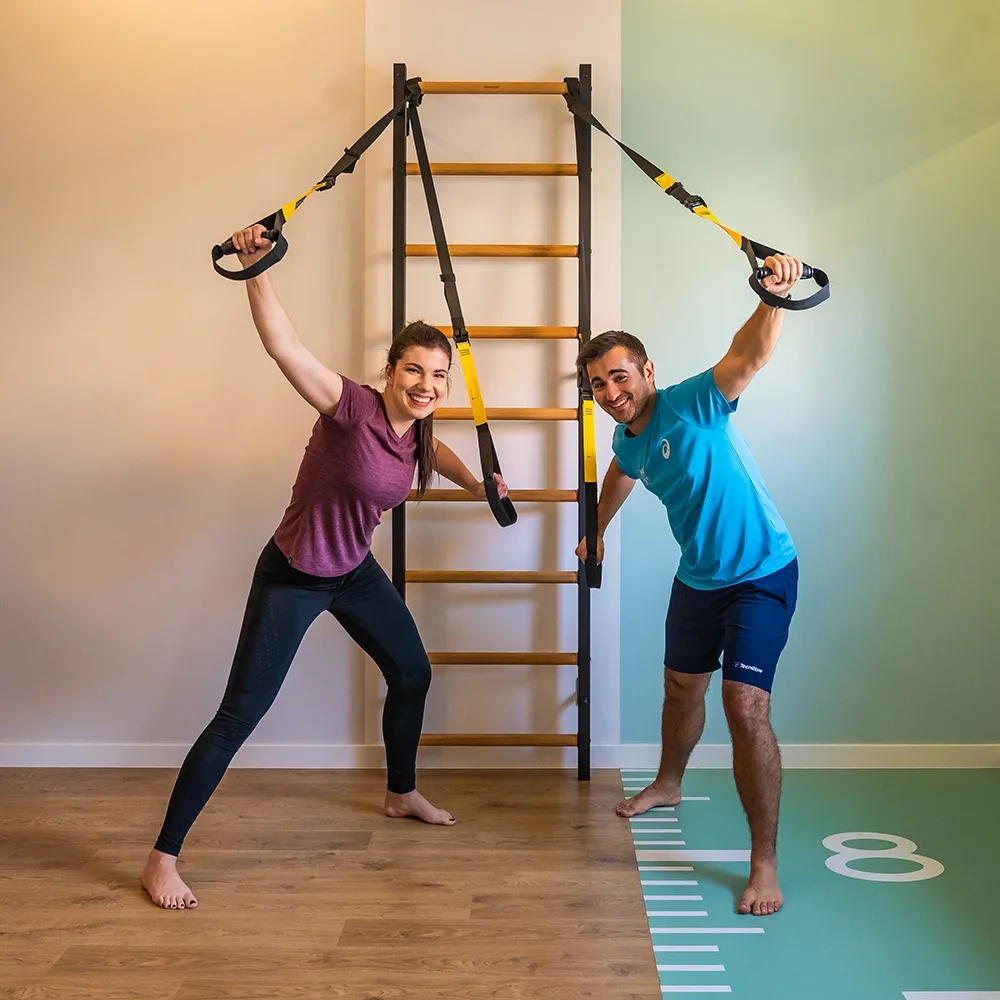
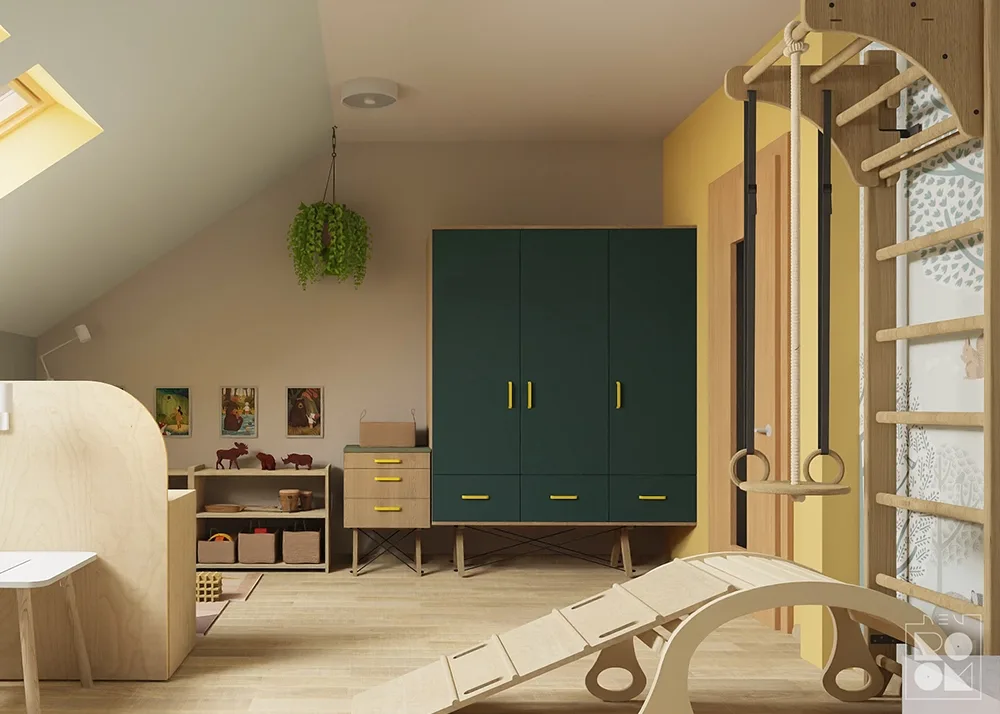
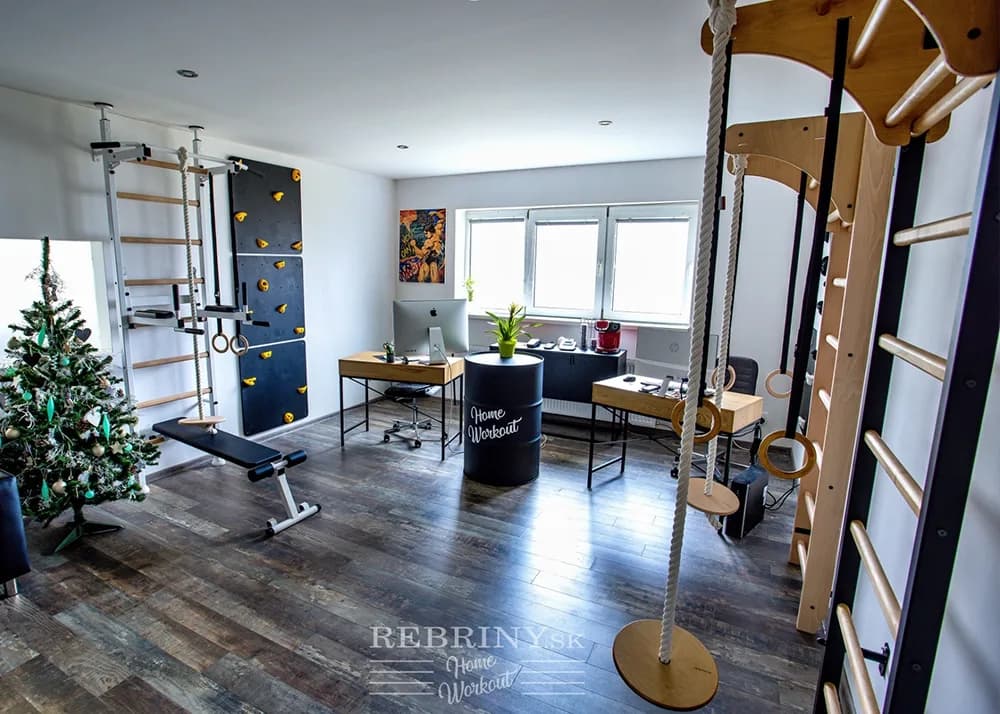
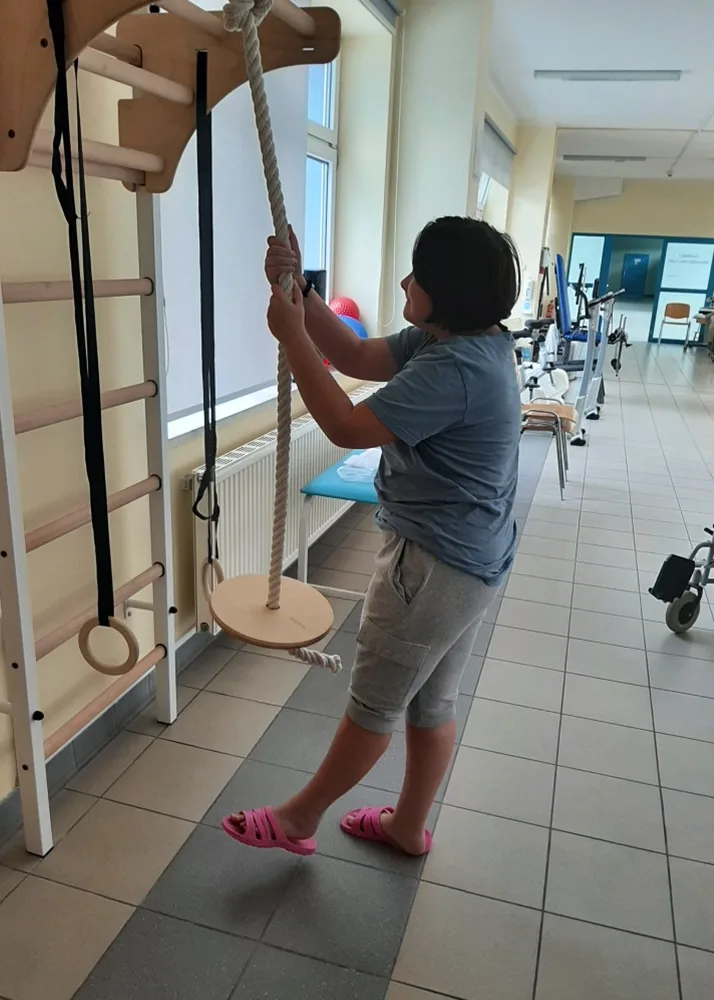
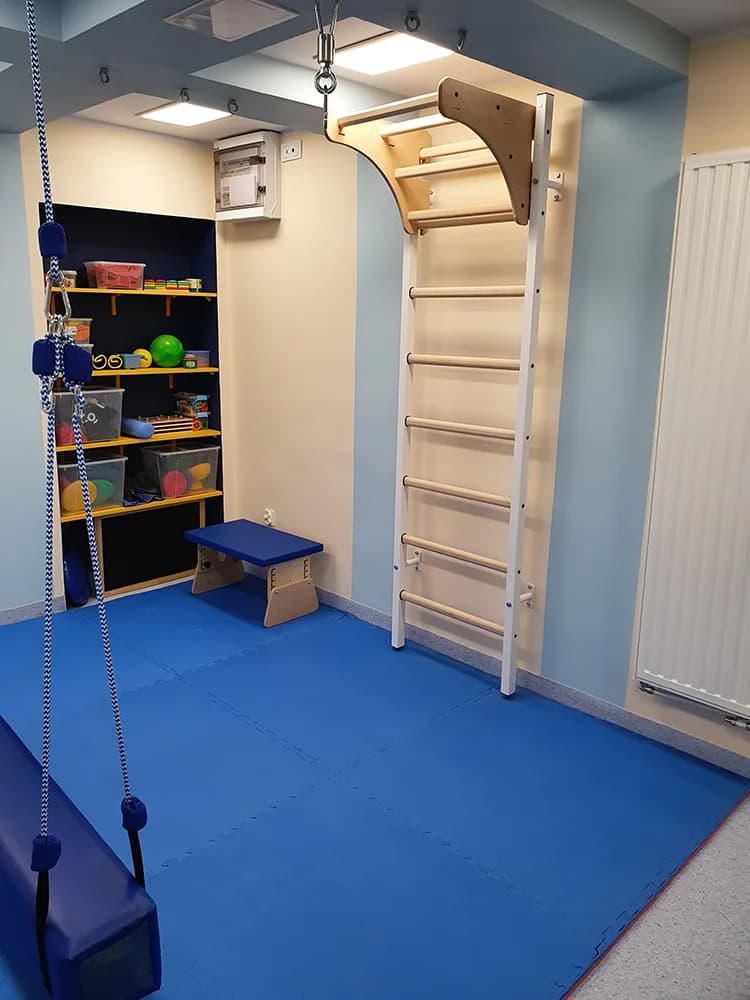
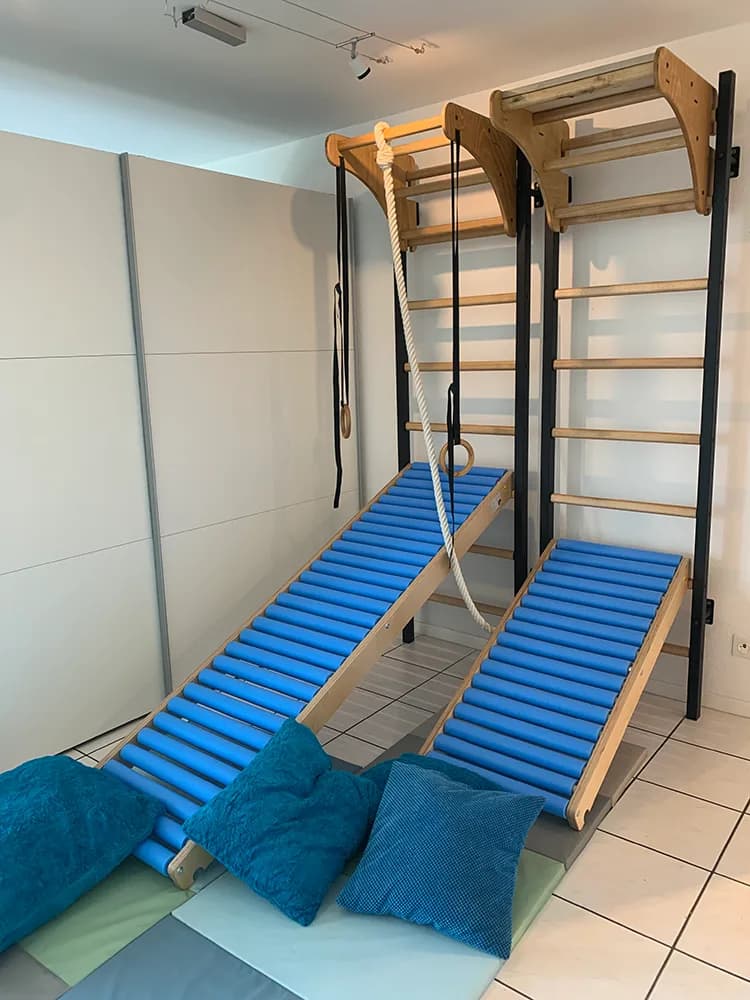
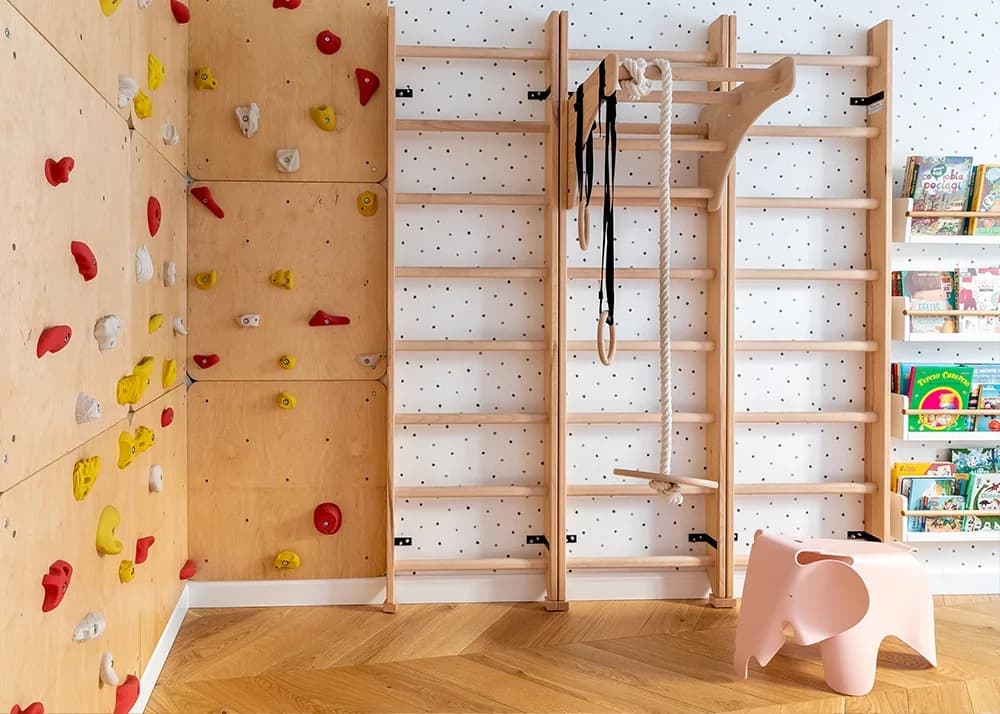
Children can use it too. BenchK’s manual allows ages 3 to 14 with an adult watching, one person at a time, and no children under 3. The rings-and-rope kit hangs from a BenchK pull-up bar, never from the rungs.
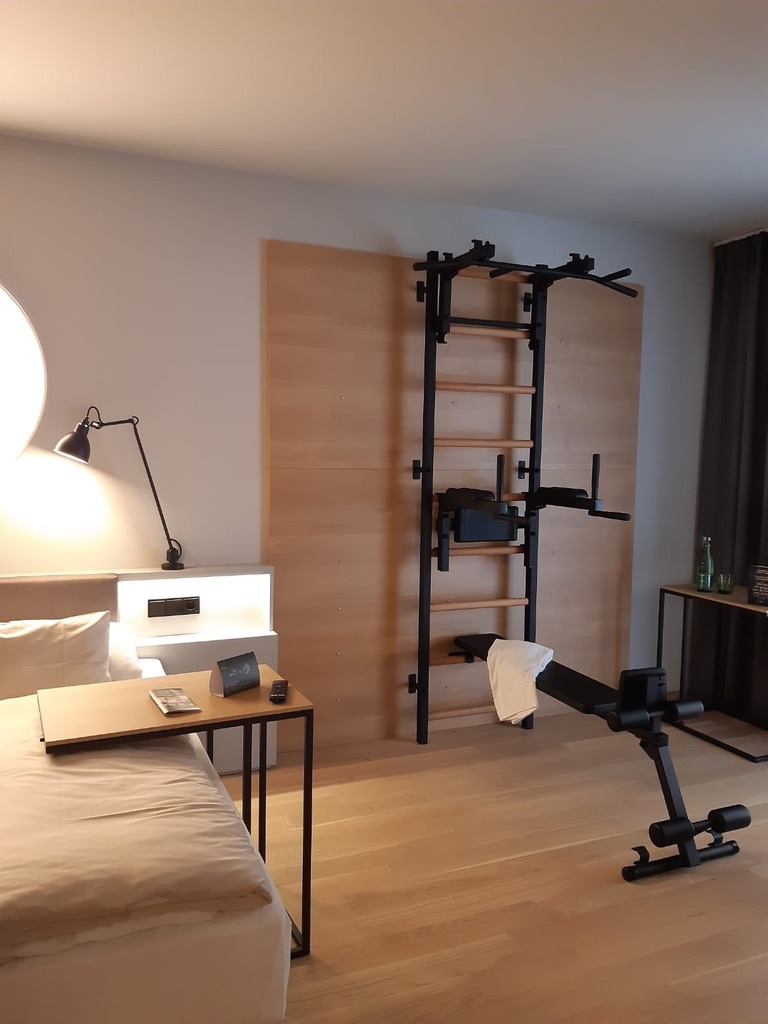
Is BenchK clinic equipment or home equipment?
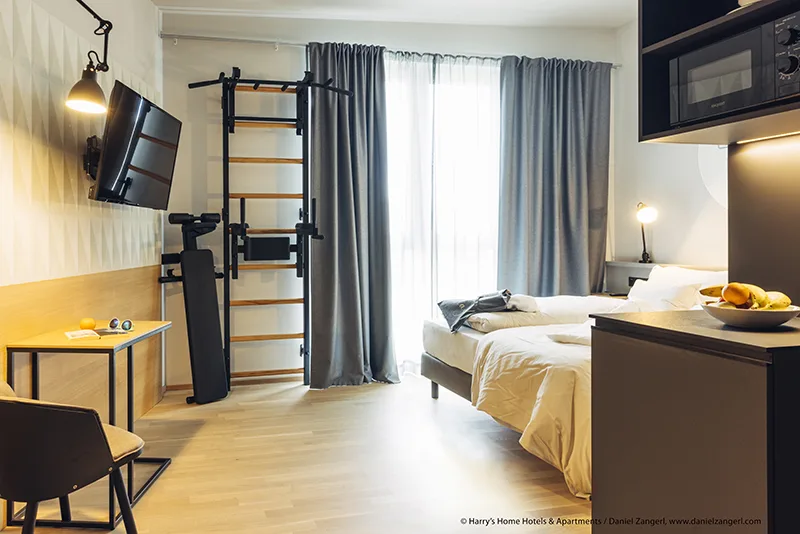
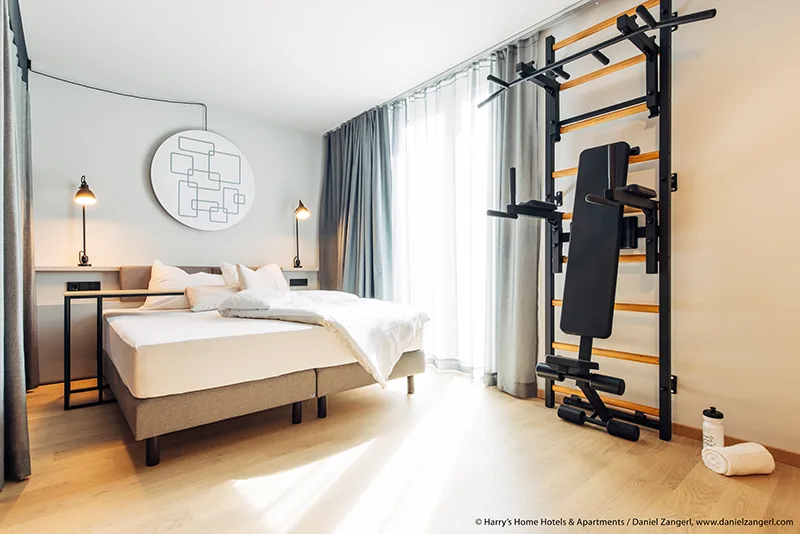
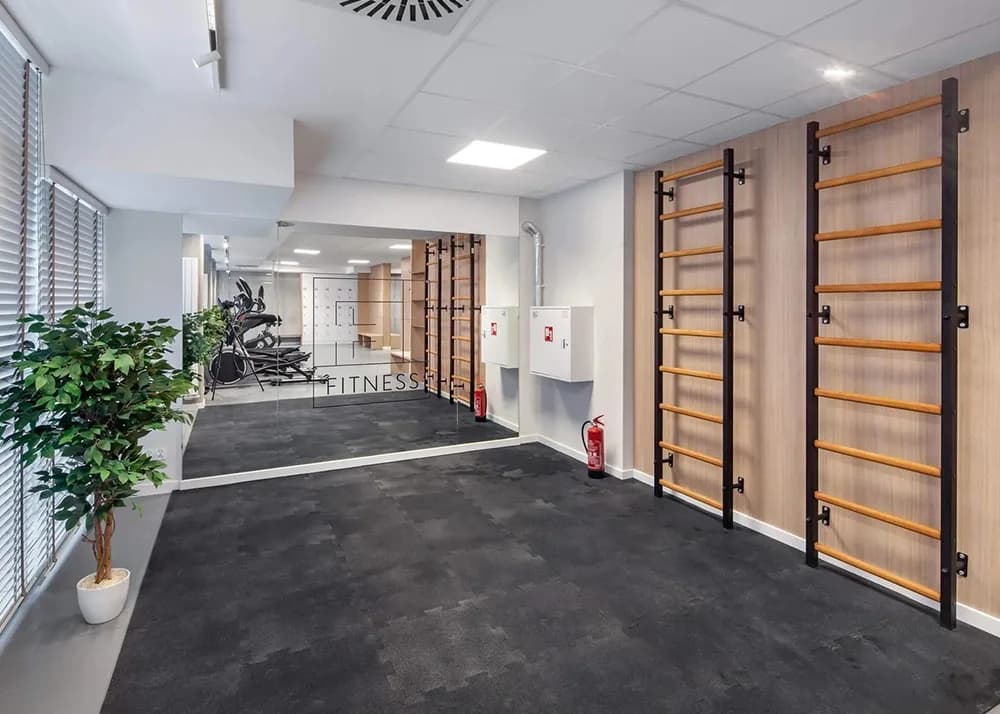
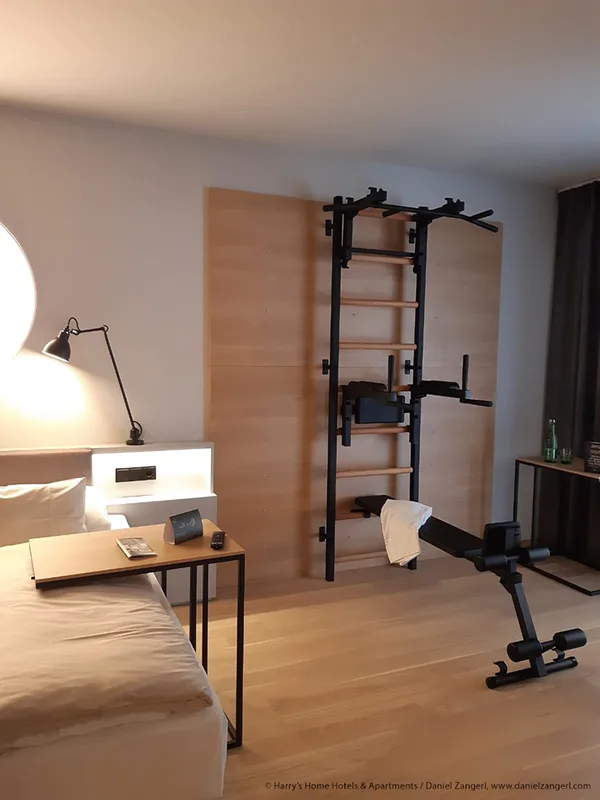
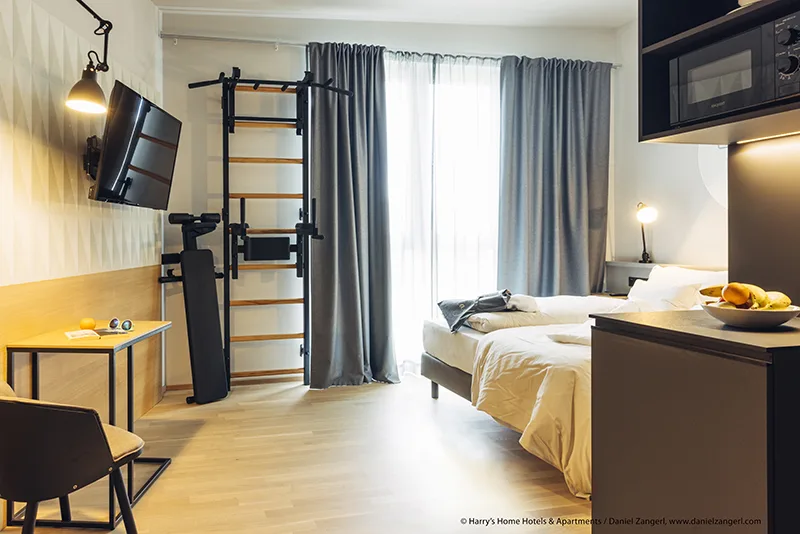
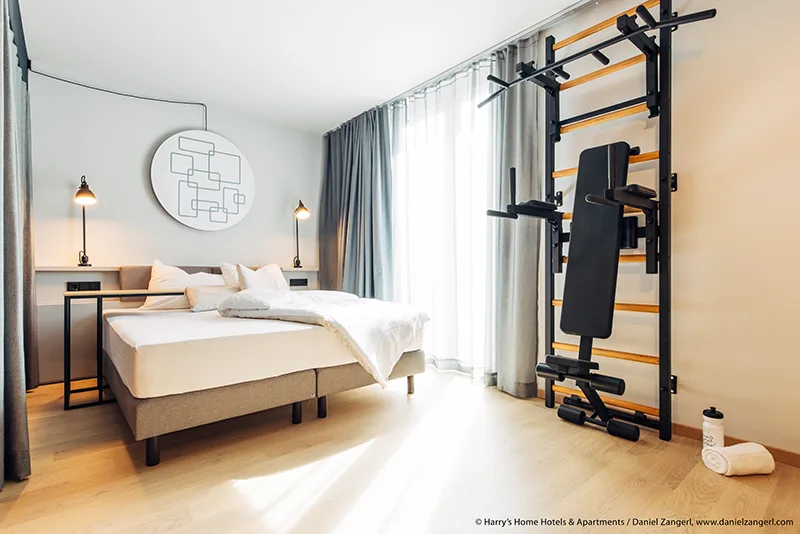
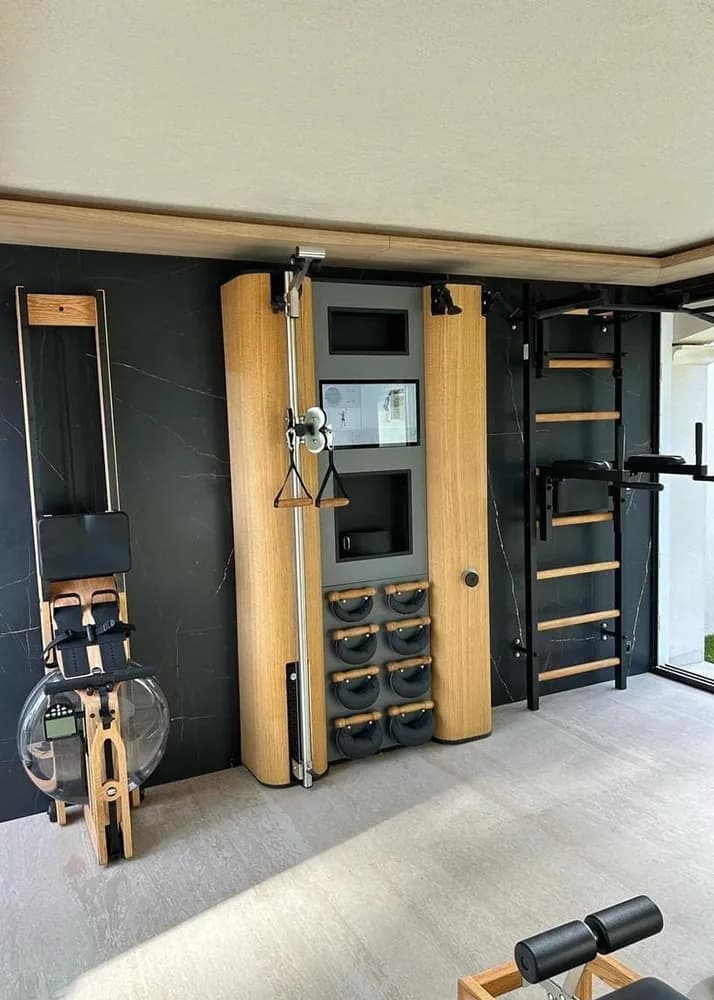
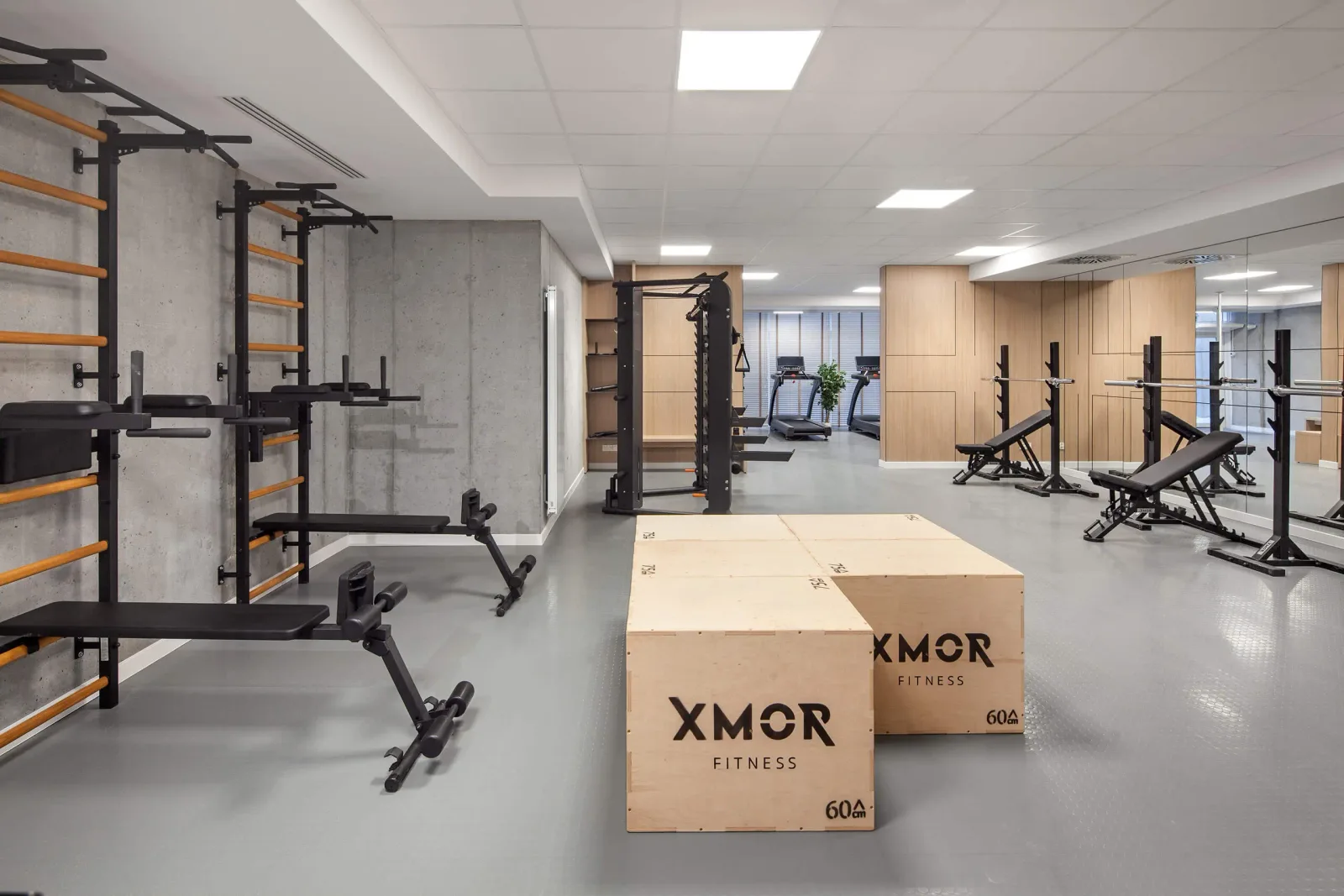
Commercial equipment first, which you can also install at home. BenchK makes its frames in Poland, certified to PN-EN 12346, the European safety standard for wall bars, and PN-EN 913, the general standard for gymnastic equipment. Beyond the clinics, the same frames went into a 70-room rollout at Harry’s Home Hotels in Austria.
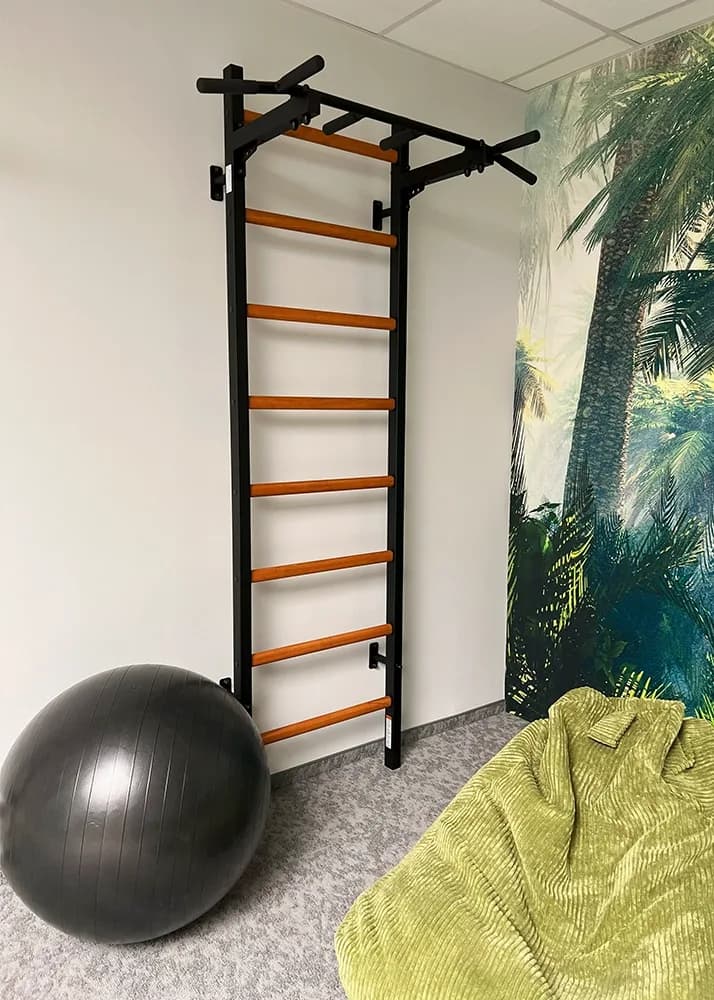
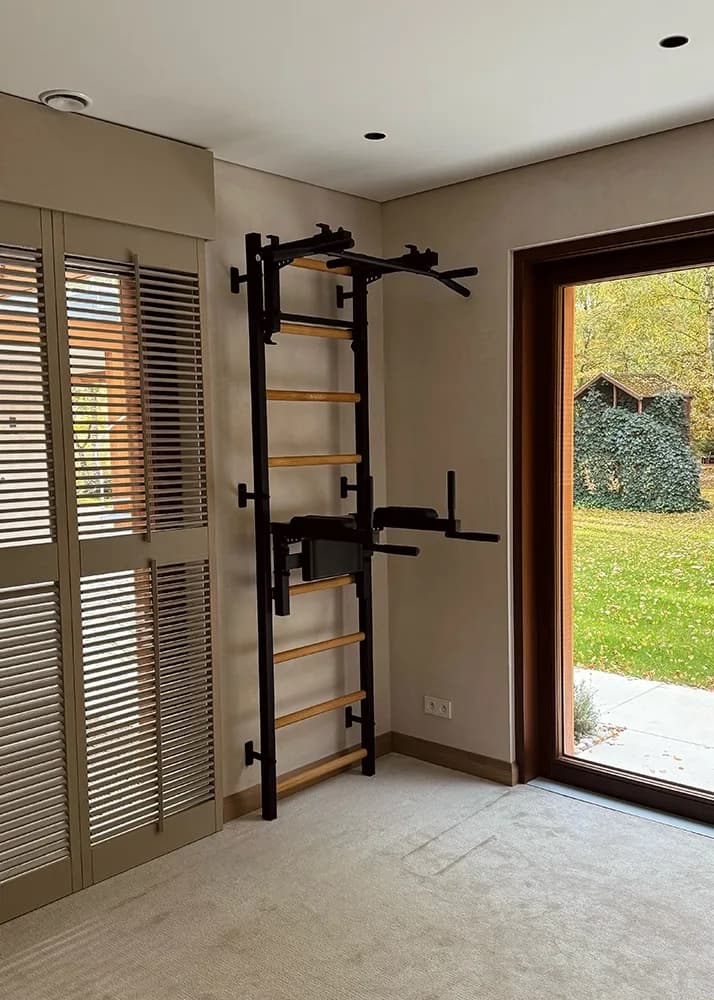
The finish is what a home buyer notices: solid beech rungs, hand-oiled, set in matte powder-coated steel.
Which stall bars fit your ceiling?
Measure the ceiling first. A standard 8-foot (96 in) ceiling fits Series 1 and Series 2; Series 7 needs 98½ in (250 cm). Then match the rating to the heaviest user and check what each frame takes.
| Rated user weight | Frame (height × width) | Minimum installation height | Takes | |
|---|---|---|---|---|
| Series 1 | 265 lb (120 kg) | 86⅝ × 25¼ in (220 × 64 cm), 8 rungs, all beech | 90½ in (230 cm) | Wooden pull-up bar, rings and rope kit |
| Series 2 | 330 lb (150 kg) | 90½ × 26⅜ in (230 × 67 cm), 8 rungs, steel frame | 94½ in (240 cm) | Steel or wooden pull-up bar, dip station, bench, rings and rope kit |
| Series 7 | 330 lb (150 kg) | 94½ × 26⅜ in (240 × 67 cm), 9 rungs, steel frame | 98½ in (250 cm) | Steel or wooden pull-up bar, dip station, bench, rings and rope kit |
Sets with the wooden pull-up bar are rated 265 lb (120 kg), the bar's own rating. Wall hardware is sold separately. Each product page lists exact frame dimensions and minimum installation height.

What does the BenchK 733 add to a stall bar?
A convertible steel pull-up bar, a DB1 dip station with a polyurethane back support and a reversible B1 bench, all on a Series 7 frame. One adult can lift each attachment off the rungs, and the pull-up bar flips into a barbell rest rated for 441 lb (200 kg). It ships in five cartons; wall hardware is sold separately.
Stall bars FAQ
Are stall bars good for physical therapy?
Can you hang from stall bars for spinal decompression?
What is the Schroth method, and do stall bars work for it?
Are stall bars safe for older adults and rehab patients?
How are stall bars mounted?
What is the difference between stall bars and a wall-mounted pull-up bar?
What are the best stall bars for a home gym?
Put the therapy wall in your space.
Shipping on BenchK stall bars is free to the continental U.S., and orders leave our Largo, Florida warehouse within 24 hours.